Road rollers are mainly divided into three types: static compactors, vibratory compactors, and oscillatory compactors. Their core differences lie in compaction principles and working methods, thus adapting to different engineering needs and material characteristics.
Static CompactorCore Principle: Relies on its own gravity to apply pressure to the material being compacted, making it dense through static pressure. The compaction process presses the material particles closer together by the weight of the rollers, expelling air and moisture from them.
Main Types:
Smooth Drum Roller:
Double Drum, Double Vibration: Both front and rear drums are smooth metal wheels, capable of bidirectional drive and vibration.
Three Drum, Two Axle: The front wheel is a single drum, and the rear wheels are double drums, usually used for final fine leveling and compaction.
Pneumatic Tire Roller:
Core Differences and Characteristics:
Advantages: Simple structure, easy operation, relatively gentle compaction process, and low damage to the road surface. Smooth drum rollers are often used for the final compaction of asphalt pavements and the initial compaction of subgrades. Pneumatic tire rollers, due to their kneading effect, can effectively improve the density and smoothness of the road surface, and are especially suitable for the compaction of asphalt mixtures.
Disadvantages: Shallow compaction depth, relatively low work efficiency, and poor compaction effect for material layers with high viscosity or large thickness.
Vibratory CompactorCore Principle: On the basis of static pressure, a high-frequency, low-amplitude excitation force generated by a vibrator is added. This excitation force causes the rollers and the material being compacted to resonate, forcing the material particles to displace and rearrange, thereby achieving a deeper and more effective compaction effect.
M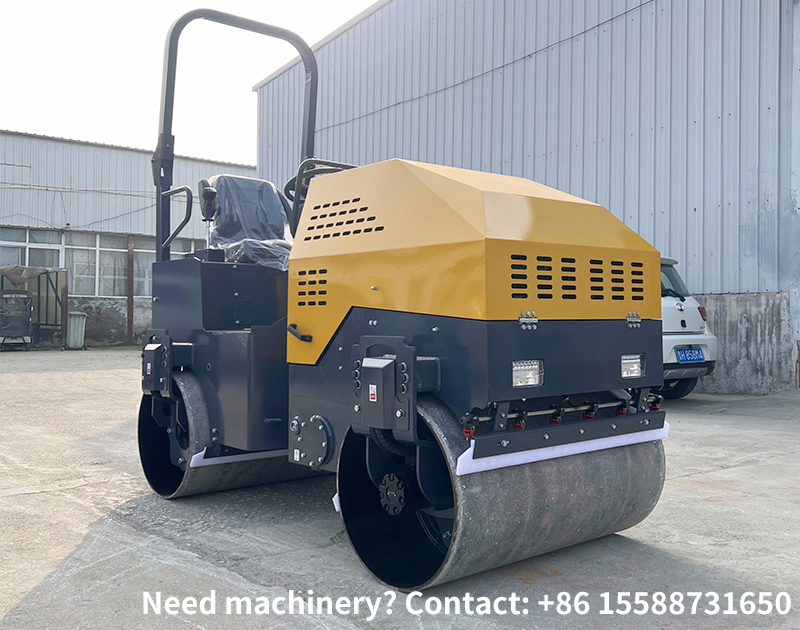 ain Types:
Single Drum Vibratory Roller: Usually rear-wheel drive and vibration, with the front wheel as the steering wheel. Often used for compaction in large earthwork projects such as subgrades and dams.
Double Drum Vibratory Roller: Both front and rear drums can vibrate, with higher compaction efficiency, often used in road engineering (such as asphalt and concrete base courses).
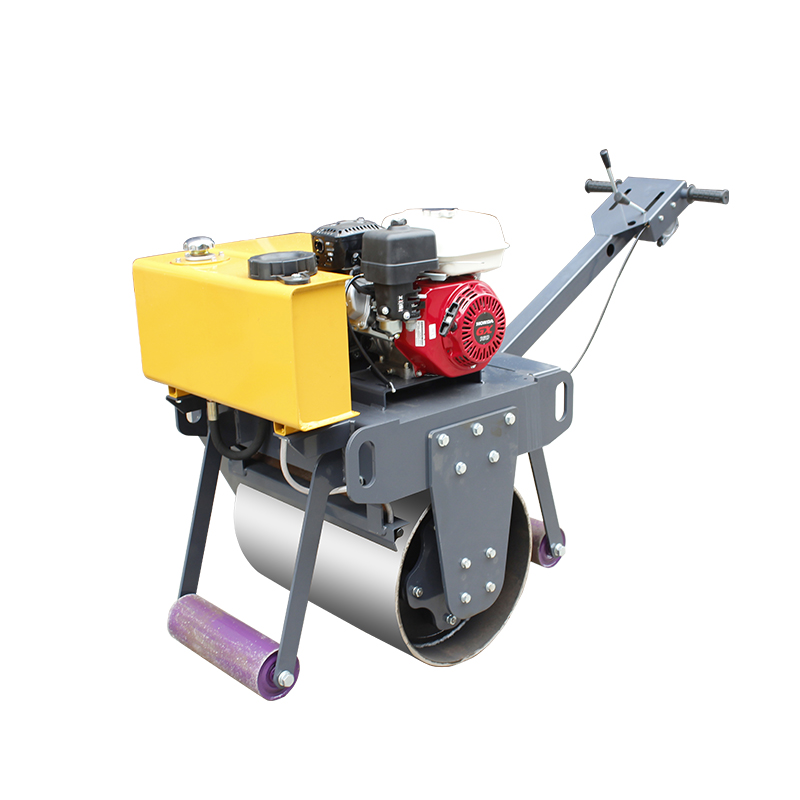
Handheld Vibratory Roller: Small and lightweight, suitable for narrow areas or small projects.
Core Differences and Characteristics:
Advantages: High compaction efficiency, large compaction depth, and the ability to quickly and effectively compact various non-cohesive materials (such as sand, gravel, and asphalt mixtures).
Disadvantages: Vibration may affect surrounding buildings or structures, so caution is required when used in areas close to buildings. In addition, for soils with excessive viscosity, the vibration compaction effect may be poor.
Oscillatory CompactorCore Principle: This is a relatively new compaction technology. Its core is the oscillating drum. The internal vibrator does not generate vertical vibration, but a horizontal torsion or oscillation. This oscillating force causes the roller to exert a kneading and shearing effect on the ground while moving forward, forcing the material particles to rearrange.
Core Differences and Characteristics:
Advantages:
Good Compaction Effect: The oscillating effect can more effectively compact the gaps between particles, especially for asphalt pavements, which can achieve higher density and better water damage resistance.
Low Impact on the Surrounding Environment: Since the oscillating force is mainly horizontal, the vertical impact force generated is very small, so the vibration impact on surrounding buildings and underground pipelines is much smaller than that of vibratory compactors.
High Work Efficiency: In some cases, its compaction efficiency is not lower than that of vibratory compactors.
Disadvantages:
Complex Structure: The design and manufacturing technology of the oscillating drum require high standards, so the equipment cost is relatively high.
High Requirements for Operators: It is necessary to adjust the oscillation parameters according to different materials and working conditions to achieve the best compaction effect.
Summary: Comparison of Core DifferencesStatic compactors are the foundation, vibratory compactors are currently the most widely used high-efficiency compaction equipment, while oscillatory compactors are the ideal choice in occasions with high environmental requirements or special requirements for compaction quality.


 Chinese