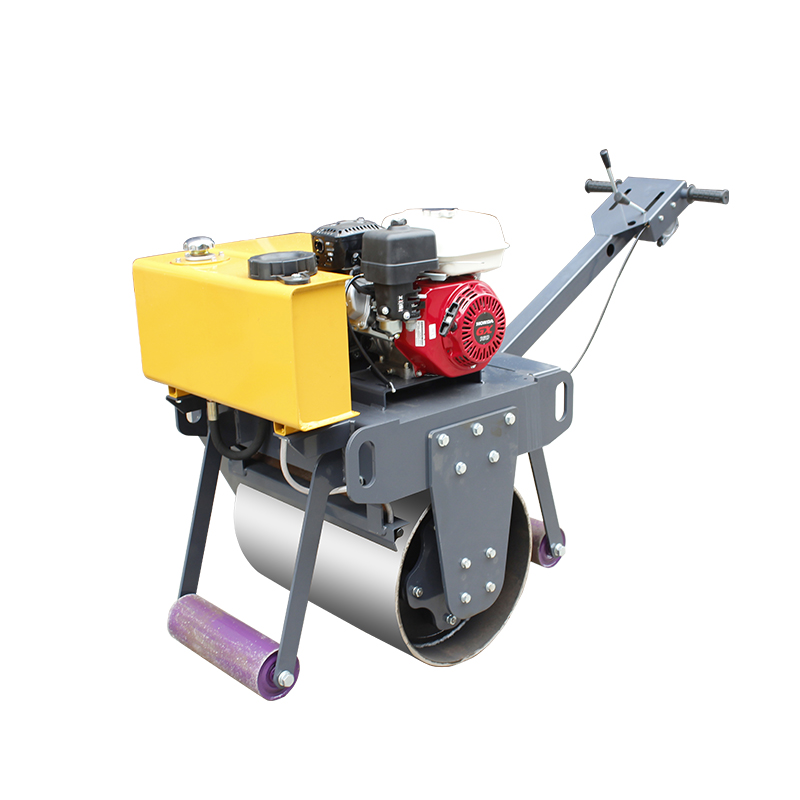
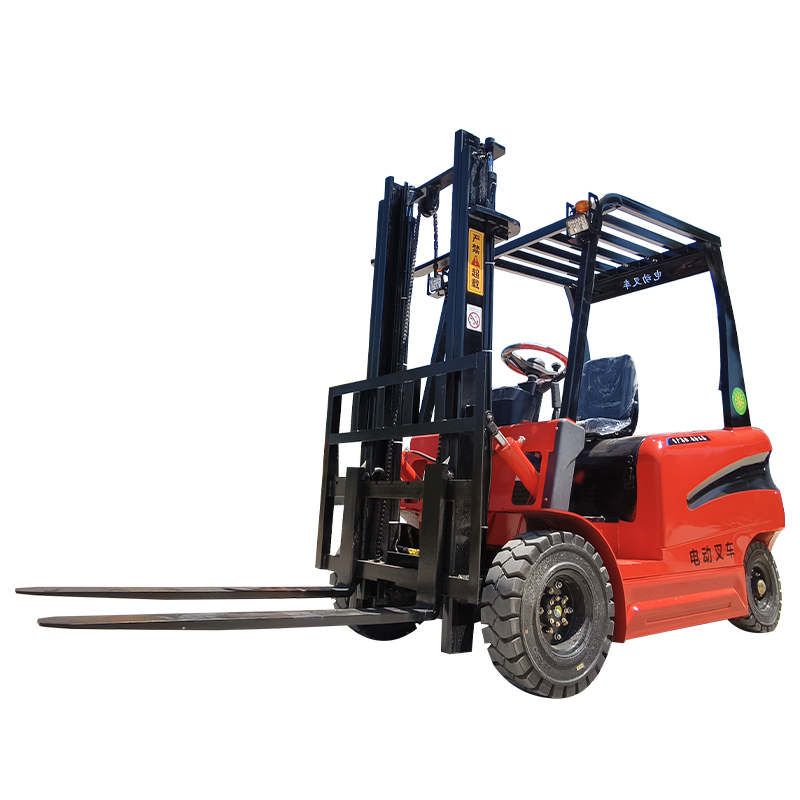
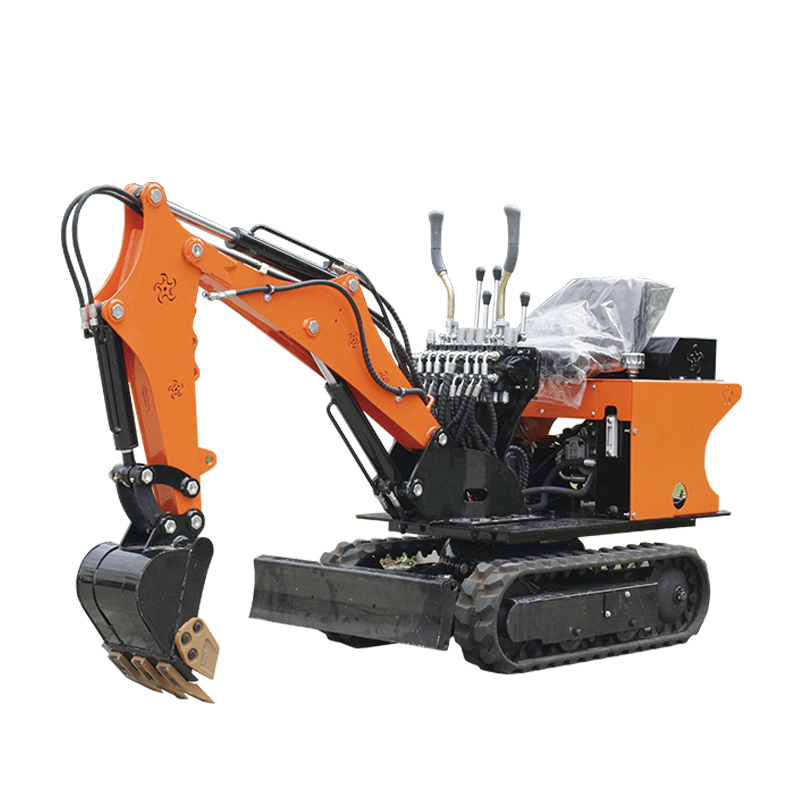
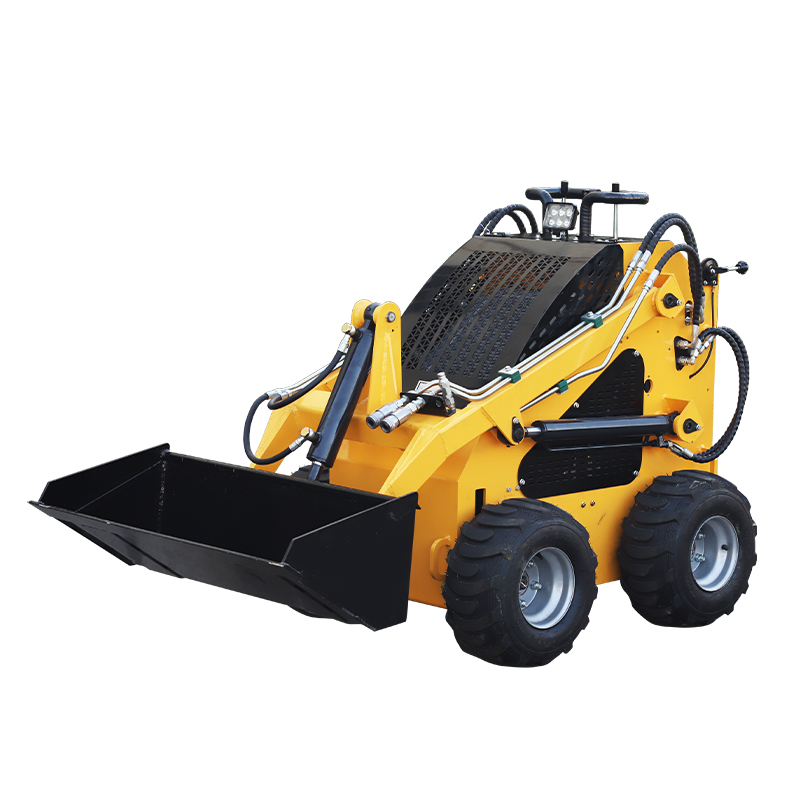
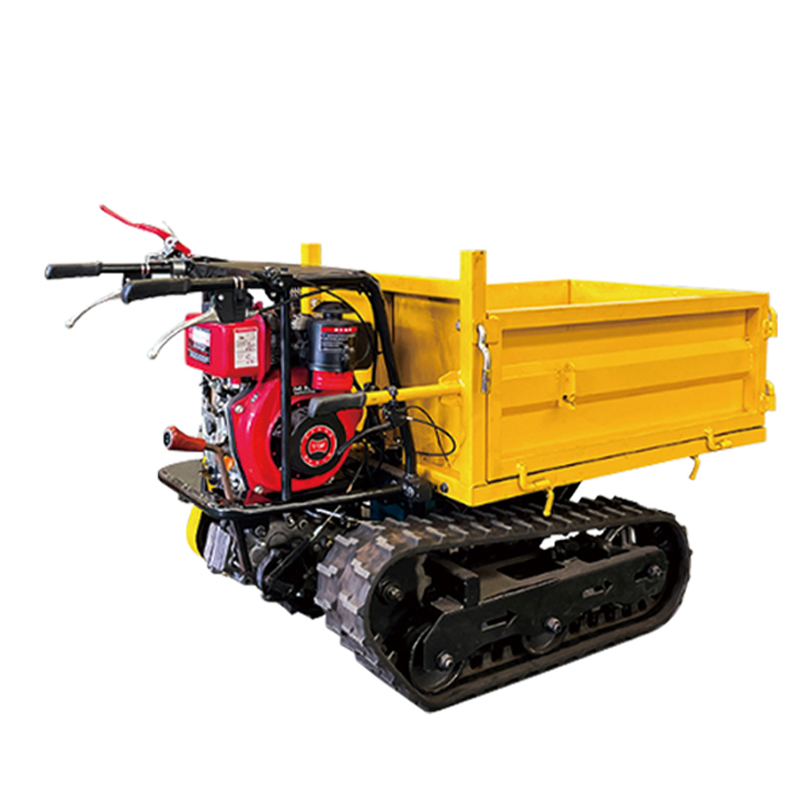
There is no fixed standard for the service life of the tracks on a tracked transport vehicle; the core range is 500-5000 hours. The variation is mainly determined by the track material, operating environment, and operation method.
Rubber tracks: Under normal working conditions, the service life is approximately 500-2000 hours. For light operations (agriculture, cultural tourism), the service life can be close to the upper limit; for heavy-duty operations or in complex terrains (mines, roads with sharp rocks), it may be lower than the lower limit.
Steel tracks: The service life is about 2000-5000 hours, with stronger wear resistance. However, if used for a long time in corrosive environments (coastal areas, saline-alkali lands), the service life will be significantly shortened.
Composite material tracks: The service life falls between the above two, approximately 1500-3000 hours. They are suitable for mixed working conditions and have more balanced durability.
Operating environment: Sharp rocks and gravel roads will accelerate track wear, while soft surfaces such as mud and snow can extend the service life.
Load capacity: Long-term overloaded transportation increases the stress on the tracks, leading to accelerated aging of rubber tracks or deformation of steel tracks.
Operating habits: Frequent sudden acceleration, sudden steering, and spinning in place will intensify friction between the tracks and the driving wheels as well as guide wheels.
Maintenance conditions: Regularly cleaning debris from the tracks, checking track tension, and promptly replacing worn parts can effectively extend the service life.



 Chinese