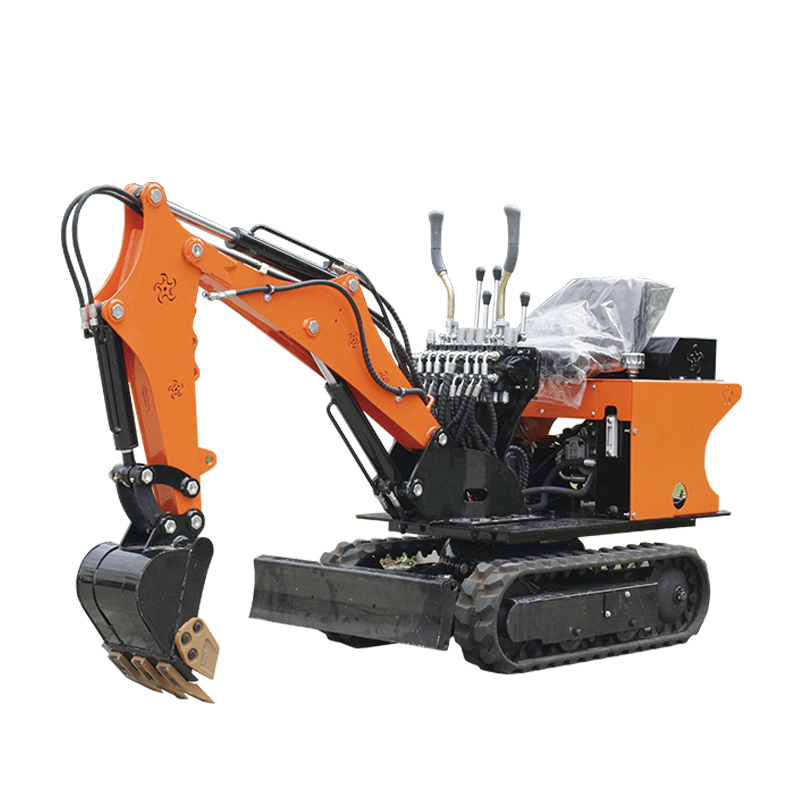
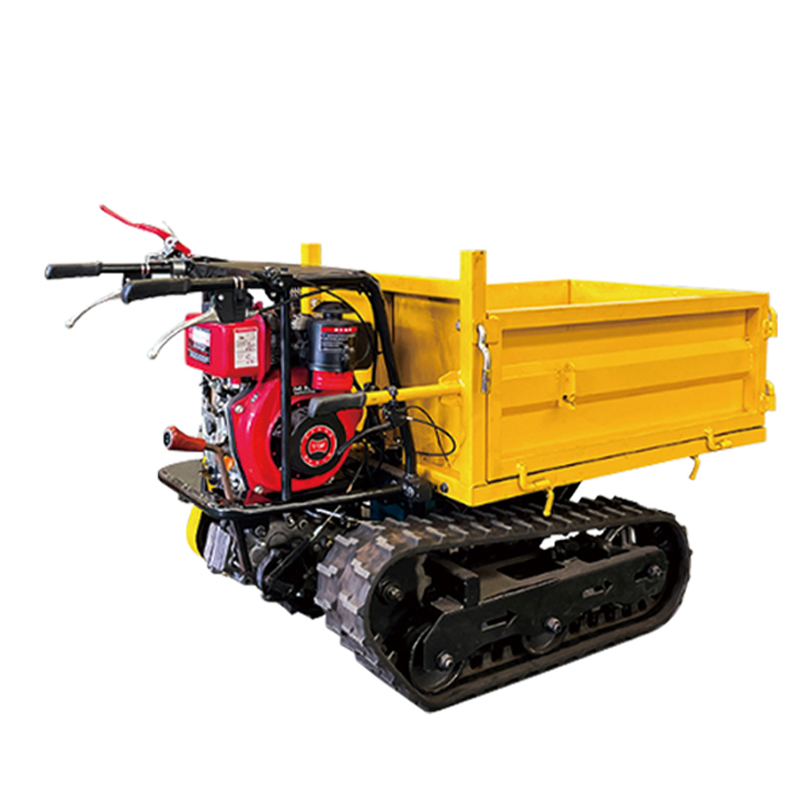
The daily maintenance of tracked transport vehicles focuses on the track system, running gear, and power system. The core goal is to prevent wear, identify potential hazards, and extend the service life of the equipment.
Regularly clean debris such as rocks and soil from the gaps in the tracks to prevent track deformation or pattern damage caused by extrusion during operation.
Check the track tension: overly loose tracks are prone to detachment, while overly tight tracks accelerate wear. Adjust the tension to the appropriate level according to the vehicle’s instruction manual.
Inspect the wear of rubber (or steel) components of the tracks. Replace rubber tracks promptly if cracks or degumming occur, and replace steel tracks if tooth breakage or deformation is found.
Check the rotational flexibility of the drive wheels, idler wheels, and carrier rollers. If jamming or abnormal noise is detected, disassemble, clean, or replace the bearings.
Regularly add lubricating oil to the lubrication points of the running gear to avoid increased wear caused by dry friction of metal components.
Inspect the wear and looseness of track pins and bushings. Tighten or replace them promptly if excessive gaps or looseness are found.
Regularly check the fluid level and quality of engine oil, coolant, and hydraulic oil. Replenish fluids when insufficient and replace them promptly if they deteriorate.
Clean the air filter element to prevent dust from entering the engine and affecting combustion efficiency. Replace the filter element directly if it is severely clogged.
Inspect the sealing of the gearbox and drive axle to prevent oil leakage, and at the same time, check the tightness of connections for transmission components.
Clean the vehicle body after operation, especially the chassis and areas around the tracks, to avoid long-term adhesion of corrosive substances (such as salt, alkali, and residual chemical fertilizers).
For half-track models, check the ground pressure distribution of tires (if applicable) or tracks to prevent uneven wear of components caused by long-term one-sided stress.
Regularly inspect safety components such as the brake system, lights, and horn to ensure safety during operation and driving.



 Chinese