
 Chinese
- HOME >> NEWS >> Company news
NEWS
Latest Product
Contact Us
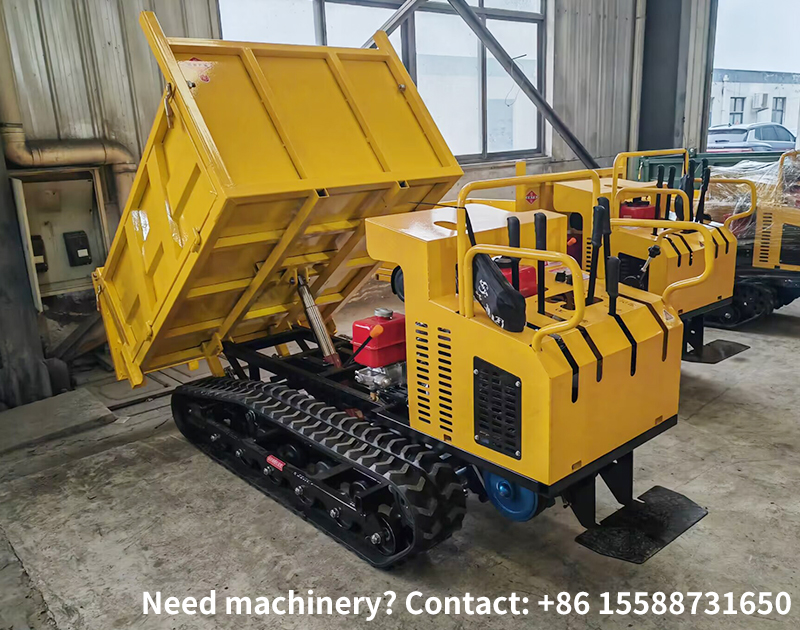
Range and Energy Consumption Performance of Tracked Carriers
2026-02-05I. Range (By Power Type)
1. Diesel-Powered Tracked Carriers (Mainstream Models)
There is no fixed "driving range"; it is calculated based on operating hours + fuel tank volume:
Conventional fuel tank capacity: 40–120L
Continuous operation under heavy load in mountainous areas: 8–12 hours
Uniform transport under light load on flat roads: up to 12–16 hours of operation
Converted Mileage: Due to complex working conditions and low travel speed, the daily operating mileage is mostly 30–80km, making them unsuitable for long-distance transport.
2. Electric Tracked Carriers (Small / Indoor Yard Models)
Battery capacity: 48–72V / 100–200Ah
Continuous operation time: 3–6 hours
Converted Mileage: Primarily for short-distance yard use, with a single charge range of 10–25km. Fast charging or battery swapping is available for energy replenishment.
II. Energy Consumption Performance
Diesel Models
Heavy load in mountainous areas / climbing muddy slopes: 3–6L per hour
Light load on flat roads: 1.5–3L per hour
Fuel consumption fluctuates significantly with load, slope, and ground resistance. Energy consumption increases by 30%–80% on soft ground or steep slopes.
Electric Models
Heavy-load conditions: 3–6kWh per hour
Light load on flat roads: 1.5–3kWh per hour
Energy efficiency is stable without the condition-related fluctuation losses of internal combustion engines. Low temperatures slightly reduce the range.
III. Core Factors Affecting Range & Energy Consumption
Load: Energy consumption under full load is 40%–100% higher than under no load, with a corresponding reduction in range.
Terrain: Soft soil, swamps, and steep slopes create high resistance, leading to a significant rise in energy consumption.
Track Condition: Track tension and track shoe wear directly affect rolling resistance.
Operating Habits: Frequent starts and stops, in-place turning, and idling all increase energy consumption.
Environment: Low temperatures reduce diesel fluidity and battery activity, degrading both range and energy consumption.
IV. Practical Selection Reference
Long-distance / Field Use Without Recharging: Choose diesel models with large fuel tanks, and prepare an auxiliary fuel tank to extend operating hours.
Indoor Yard / Oil-Restricted Environmentally Friendly Zones: Choose electric models, equipped with spare batteries to match shifts.
Heavy-Load Mountainous Operations: Prepare fuel according to the upper limit of fuel consumption, and reserve a 20% range redundancy for safety.