
 Chinese
- HOME >> NEWS >> Company news
NEWS
Latest Product
Contact Us
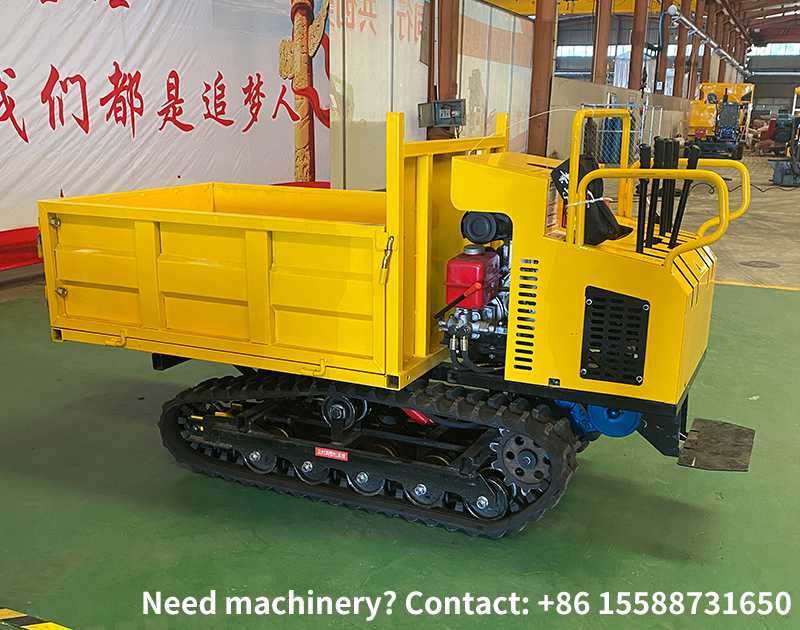
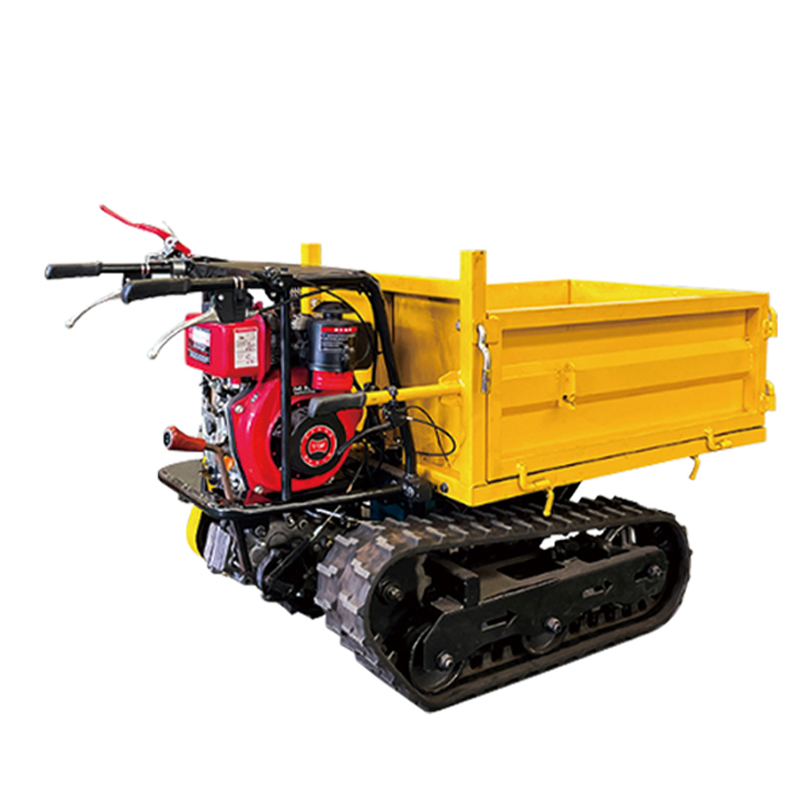
Climbing Capacity and Angle Limits of Tracked Carriers
2026-02-05I. Conventional Climbing Capacity and Angle Ranges
Thanks to low ground contact pressure and high traction, tracked carriers have significantly better climbing performance than wheeled carriers. The no-load climbing angle generally reaches 30°–45°, while the fully loaded climbing angle is mostly 20°–35°, varying with specific models, drive systems and chassis tuning.
II. Key Angle Limits
Maximum Safe Climbing Angle (Engineering Standard): A maximum of 35° is regarded as the safe value for continuous operation. Some off-road reinforced models can reach 40°–45° for short periods, but long-term extreme climbing is strictly prohibited.
Longitudinal Stability Limit Angle: Constrained by the center of gravity height. Longitudinal tipping, front lifting or rear tail diving is likely to occur beyond 45°, which is the physical limit of the machinery.
Lateral Tipping Critical Angle: Lateral inclination on slopes is generally ≤15°–20°. Excessive cross-slope angle may cause rollovers; diagonal climbing on steep slopes is strictly forbidden.
Braking & Anti-slip Critical Angle: On muddy, slippery or gravel slopes, the effective climbing angle decreases by 10°–15°, requiring reduced load and operating gradient.
III. Core Factors Affecting Climbing Capacity
Load: Fully loaded climbing angle is 5°–15° lower than no-load.
Ground Condition: Hardened dirt road > dry earth-rock ground > muddy wet ground > icy/snowy slope.
Chassis: Low center of gravity, extended tracks and anti-slip track shoes improve climbing performance.
Power: High-torque diesel engines with hydraulic transmission provide more stable climbing.
Braking: Brake failure drastically narrows the safe gradient range.
IV. Operational Safety Principles
Travel straight up and down slopes; no turning or diagonal driving on slopes.
Reduce load when descending steep slopes; for slopes exceeding 30°, no-load travel is recommended.
Always engage parking brake and chock the tracks when parking on slopes to prevent sliding.