
 Chinese
- HOME >> NEWS >> Company news
NEWS
Latest Product
Contact Us
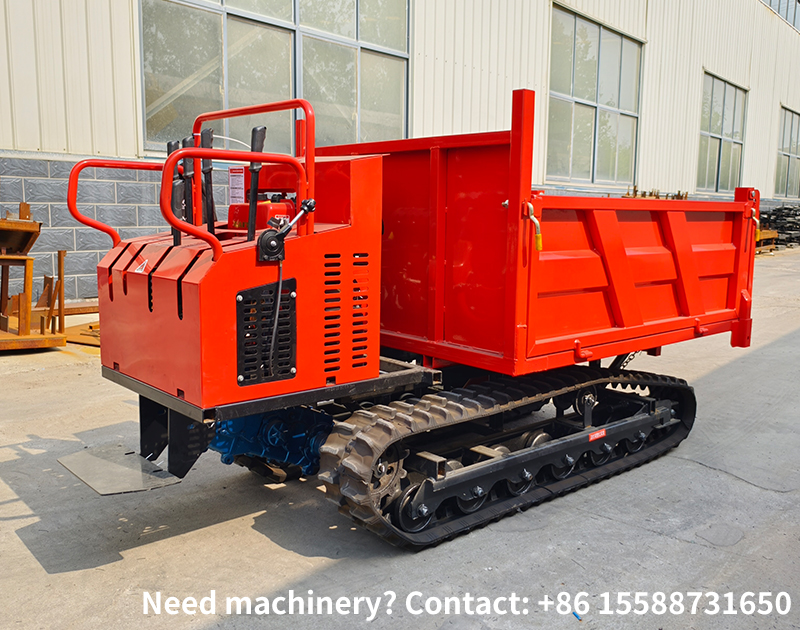
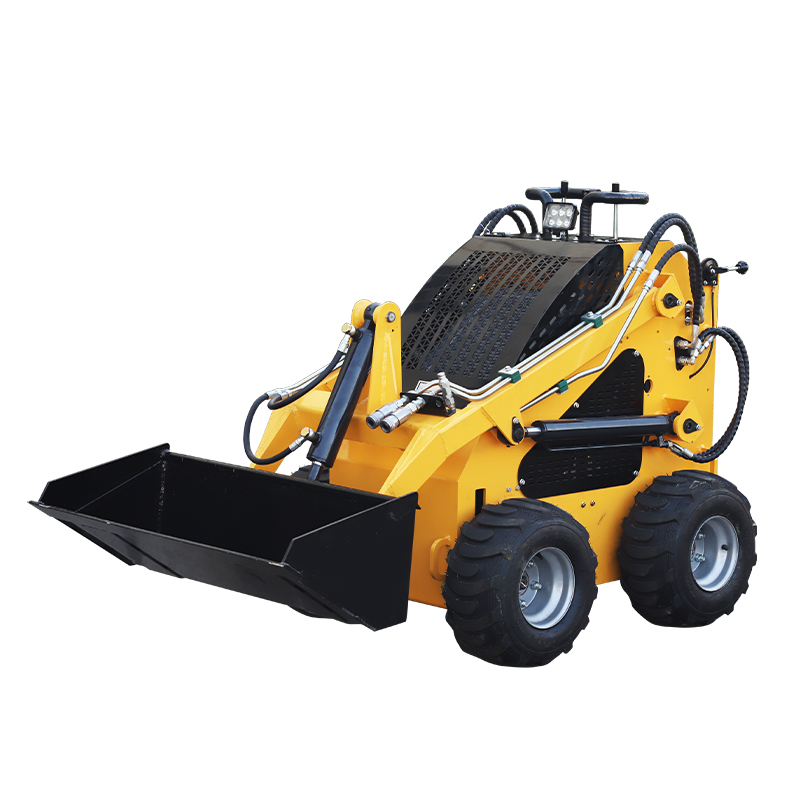
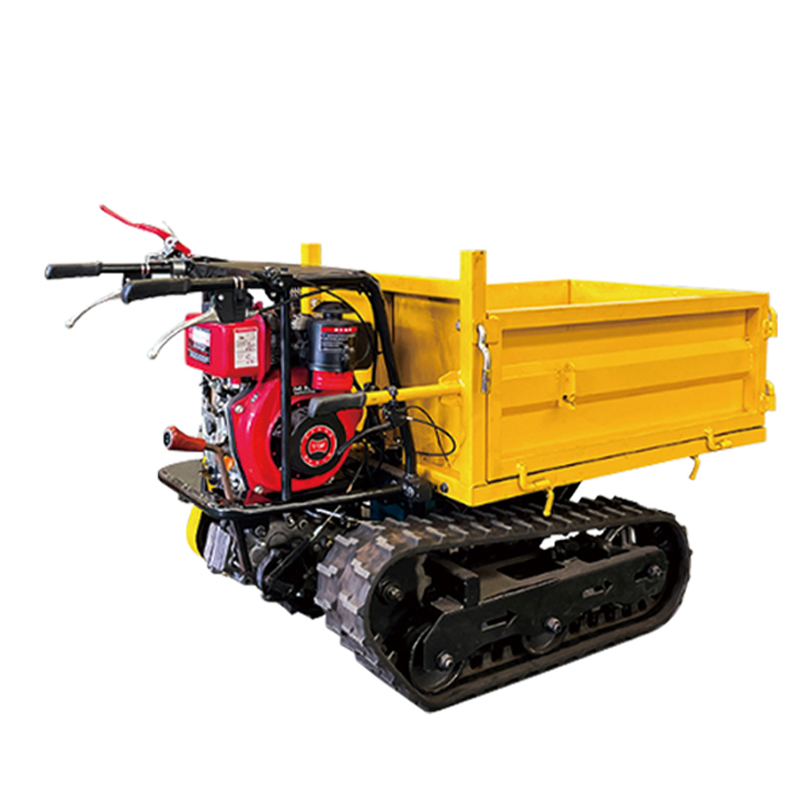
Core Advantages and Disadvantages Comparison: Tracked Carriers vs. Wheeled Carriers
2026-02-05Core Advantages of Tracked Carriers
Extremely low ground contact pressure, offering far superior passability over wheeled carriers on soft ground, mud, swamps, snowfields and steep slopes, with minimal risk of getting stuck.
High traction and strong heavy-duty climbing capacity, ideal for heavy-load transportation in complex terrain.
Capable of in-situ turning, delivering better maneuverability in confined workspaces.
Less compaction damage to farmland and soft subgrade pavements.
Core Disadvantages of Tracked Carriers
Slow travel speed, only suitable for short-distance operations.
High purchase and maintenance costs; tracks and running gear are prone to wear, requiring frequent parts replacement.
Relatively high fuel consumption; unable to conduct long-distance transits on public roads independently and must be transported by trailers.
Prone to scratching hardened pavements, not suitable for road travel.
Core Advantages of Wheeled Carriers
Fast travel speed, adaptable for long-haul trunk routes and road transportation.
Lower purchase, maintenance and fuel costs; tire parts are universal and easy to replace.
Capable of legal independent transits on public roads, with high transfer efficiency.
Friendly to hardened pavements, suitable for flat factory yards and paved road scenarios.
Core Disadvantages of Wheeled Carriers
High ground contact pressure, easy to slip or get stuck on soft ground, with poor passability in complex terrain.
Inferior traction and climbing capacity compared with tracked carriers.
Large turning radius, limiting maneuverability in narrow spaces.
Core Selection Logic
Choose tracked carriers first for complex terrain, soft subgrade conditions and heavy-load tasks;Choose wheeled carriers first for road use, flat paved surfaces, fast long-haul transportation and low-cost operations.