

 Chinese
- HOME >> NEWS >> Industry news
NEWS
Latest Product
Contact Us
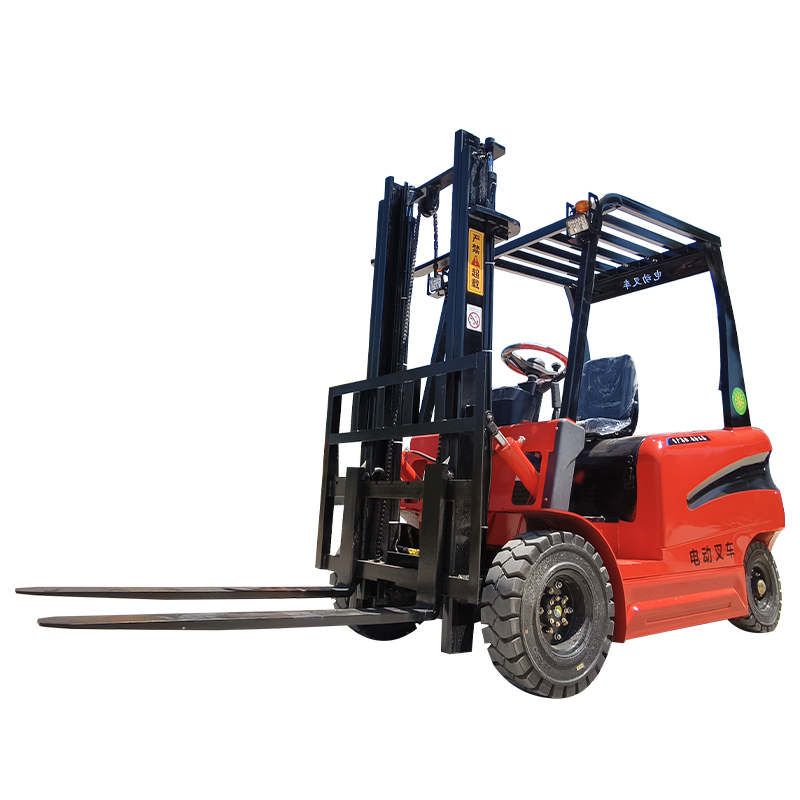
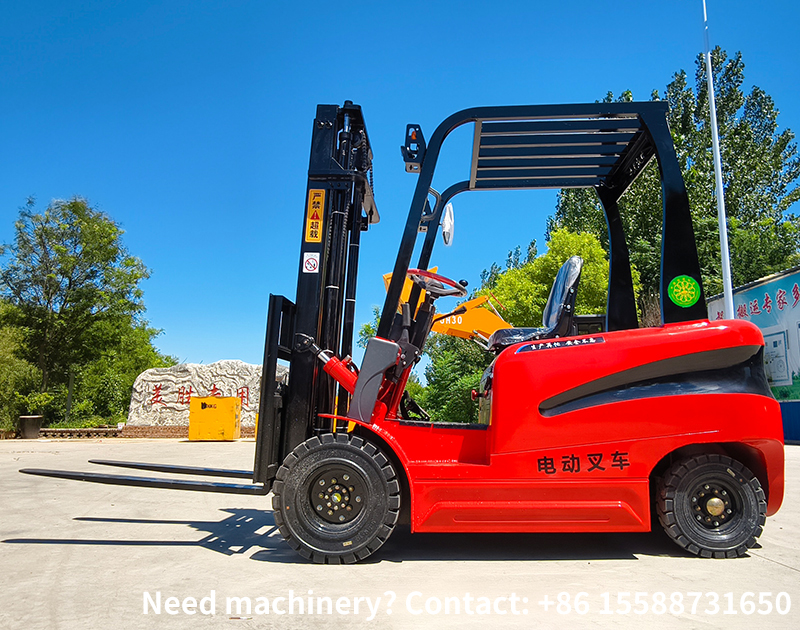
What are the core advantages and applicable scenarios of electric forklifts compared with internal combustion forklifts?
2026-01-10The core differences between electric forklifts and internal combustion forklifts lie in the characteristics of power sources and adaptability to operating environments. The core advantages and applicable scenarios of the two are clearly divided, as detailed below:
I. Core Advantages of Electric Forklifts
Zero Emissions, Low Noise, and Environmental FriendlinessPowered by batteries, they produce no exhaust emissions during operation, and the noise is usually controlled at 60–70 decibels, far lower than the 80–90 decibels of internal combustion forklifts. They not only avoid polluting the air in warehouses and workshops, but also reduce the health impact of noise on operators, conforming to the requirements of environmental protection policies and green factory construction.
Easy Operation and Low Maintenance CostsThe structure eliminates complex components such as engines, gearboxes, and exhaust pipes. Operation only requires controlling the power switch and handles, making it easy for beginners to master. Daily maintenance only focuses on battery charging, motor inspection, and hydraulic system maintenance, without the need for oil and filter replacement. The maintenance frequency and cost are 30%–50% lower than those of internal combustion forklifts.
Economical Energy Consumption and Low Long-term Operation CostsThe unit price of electricity is much lower than that of diesel and gasoline. Moreover, electric forklifts have high energy conversion efficiency, and the hourly energy consumption cost for operation is only 1/3–1/2 of that of internal combustion forklifts. They are especially suitable for high-frequency, short-distance on-site operations, and can significantly reduce operation costs with long-term use.
Strong Operational Stability and Good Site AdaptabilityMotors have high starting torque, ensuring stable lifting and traveling movements without the idle speed vibration problem of internal combustion forklifts. The even weight distribution of the vehicle body and small turning radius make them suitable for operations in narrow warehouse aisles and high-level shelf areas, with less wear on the ground.
II. Core Advantages of Internal Combustion Forklifts
Powerful Performance and Unlimited EnduranceDriven by diesel or gasoline engines, they deliver stable and strong power output, suitable for heavy-load (over 10 tons) and long-time continuous operations. Refueling only takes a few minutes, allowing for on-demand energy replenishment without the charging waiting time of electric forklifts.
Resistance to Extreme Working Conditions and Strong Outdoor AdaptabilityThey have low requirements for operating environments, and can adapt to complex outdoor working conditions such as high temperature, low temperature, dustiness, and humidity, and are not affected by rainy days and muddy road surfaces. Engines have strong heat dissipation and anti-interference capabilities, and will not suffer from capacity attenuation due to low temperatures like batteries.
Excellent Off-road Performance and Suitability for Complex TerrainsSome internal combustion forklifts are equipped with off-road tires and reinforced chassis, which can travel on unhardened roads such as construction sites and mines, and complete long-distance cargo transportation—an advantage that is difficult for electric forklifts to match.
III. Comparison of Applicable Scenarios
Applicable Scenarios for Electric Forklifts
Indoor Warehousing: Cargo stacking, sorting and transferring in e-commerce warehouses, cold chain storage facilities, and finished product workshops; especially suitable for pharmaceutical, food, and electronic workshops with high requirements for cleanliness and noise control.
Short-distance High-frequency Operations: Material distribution in supermarket logistics centers and factory production lines, with on-site turnover usually within an operation radius of 1 kilometer.
Areas with Strict Environmental Protection Requirements: Logistics stations in urban core areas, interiors of green factories, and parks with clear restrictions on exhaust emissions.
Applicable Scenarios for Internal Combustion Forklifts
Outdoor Heavy-load Operations: Container loading and unloading at ports and terminals, building material transportation at mining and construction sites, and long-distance cargo transportation in large freight yards, with most loads exceeding 5 tons.
Sites without Fixed Power Supply Facilities: Remote construction sites, rural logistics points and other areas where convenient charging is not available, avoiding the problem of insufficient endurance of electric forklifts.
Complex and Harsh Working Conditions: Outdoor operations in high-temperature open storage yards, muddy infrastructure construction sites, and low-temperature frigid regions, relying on the strong adaptability of engines to complete tasks.
Brief Summary: Electric forklifts are mainly used for indoor, environmentally friendly, high-frequency and short-distance operations, while internal combustion forklifts are mainly used for outdoor, heavy-load and complex working condition operations.