The differences in applicable scenarios between crawler excavators and wheeled excavators stem from the physical characteristics of crawlers and tires (such as ground pressure, maneuverability, and road adaptability). The specific differences are as follows:
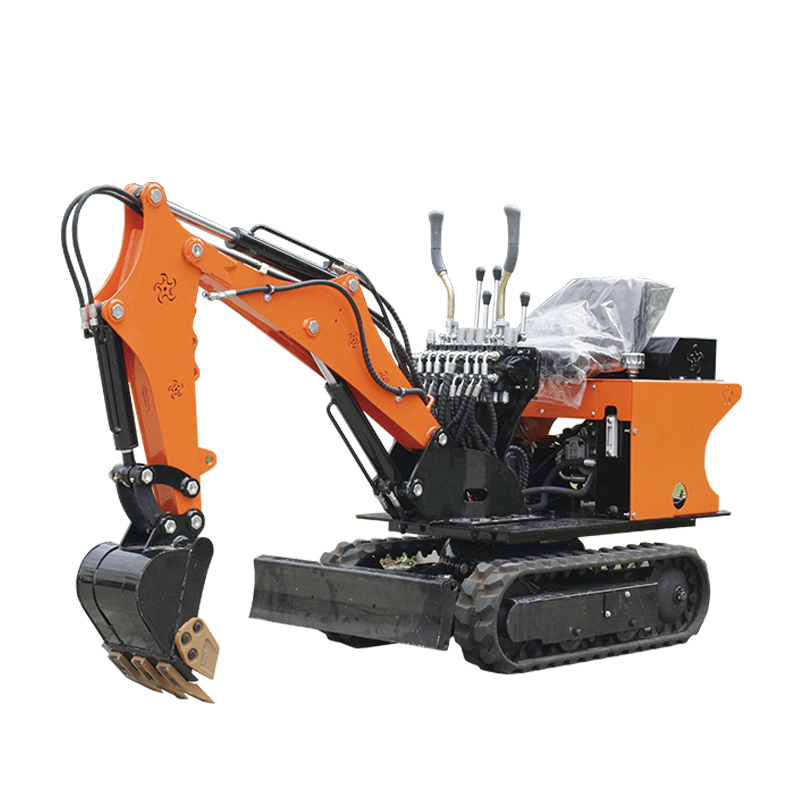
Crawler excavators: Suitable for extreme terrains such as muddy areas, swamps, steep slopes, and soft ground. Crawlers have a large ground contact area and low ground pressure (which can be as low as below 30kPa), reducing the risk of sinking. Additionally, crawlers have strong grip and excellent climbing ability (usually capable of climbing slopes of over 30°).
Wheeled excavators: More suitable for hardened roads (such as highways, factory areas), flat sites, or solid dirt roads. Tires have higher ground pressure (generally above 100kPa), making them prone to slipping and getting stuck on soft or muddy ground, with weaker climbing ability (usually suitable for gentle slopes below 20°).
Crawler excavators: Can work on complex roads such as unpaved roads, original construction site terrain, and mine access roads. However, they have a slow driving speed (usually ≤5km/h) and cause significant damage to roads (easily crushing hardened pavements).
Wheeled excavators: Suitable for scenarios requiring frequent transfers and long-distance movement (such as transportation between multiple construction sites in cities). They have a fast driving speed (up to 20-40km/h), cause little damage to hardened roads, and better meet road traffic requirements.
Crawler excavators: Due to their good stability and large traction, they are mostly used for heavy-duty operations, such as mining, large-scale earth excavation, crushing hard rocks, and wetland operations (such as river dredging).
Wheeled excavators: More suitable for light to medium-duty operations, such as municipal engineering (ditching, greening), factory loading and unloading, and rural construction. They are also more efficient when quick switching of work locations is needed.
Crawler excavators: Can adapt to special environments such as ice, snow, and swamps by adding crawler plates and anti-skid chains. They are more reliable in complex scenarios such as post-disaster rescue (such as debris cleanup).
Wheeled excavators: When working in urban areas, due to their flexible movement and relatively low noise (when driving), they are more likely to meet environmental protection and traffic control requirements, making them suitable for operations around residential areas.
In summary, crawler excavators are characterized by "adaptability to complex terrain and heavy load capacity", while wheeled excavators are mainly featured by "efficient mobility and friendliness to hardened roads". The two correspond to the needs of different operating scenarios respectively.



 Chinese