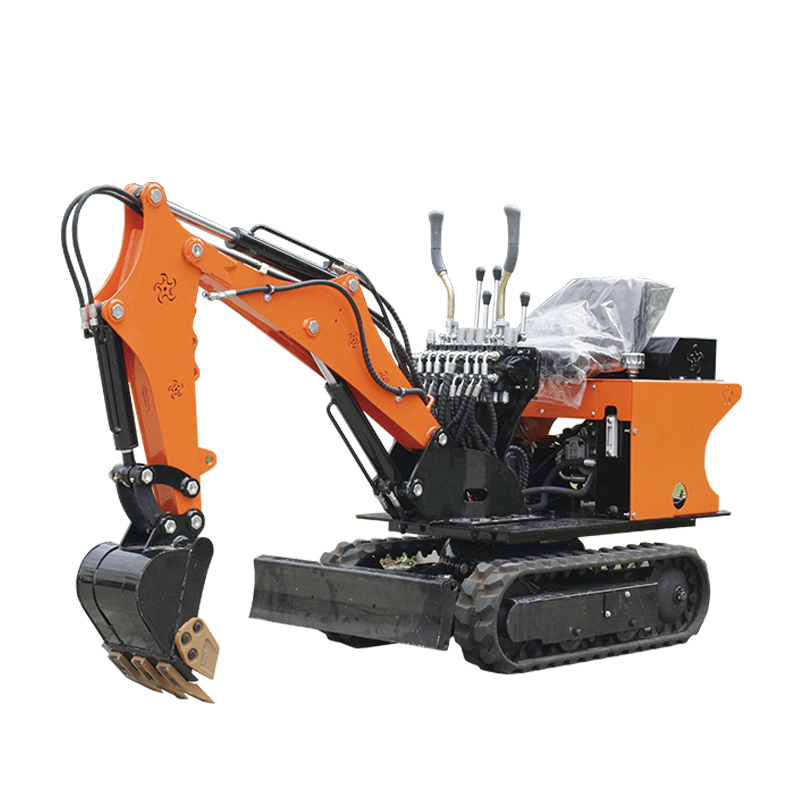
Difficult starting of excavators in low-temperature winter environments is mainly caused by increased engine oil viscosity, poor fuel atomization, battery power depletion, and insufficient antifreeze capacity of coolant. This problem can be solved step by step in three stages: pre-operation preparation, starting operation, and post-startup maintenance. The specific methods are as follows:
Preheat the Machine Body to Reduce Engine Oil ViscosityFor excavators parked outdoors, an engine coolant preheater (commonly known as a water jacket heater) can be used. Connect the power supply 3–4 hours in advance to heat the coolant, which indirectly raises the temperature of the engine cylinder block, reduces engine oil viscosity, and enables smoother rotation of the crankshaft during startup. If no preheater is available, a flame preheater or hot air gun can be adopted for local heating of the oil pan and engine cylinder block (note: maintain a safe distance to avoid damaging oil pipes and circuits by overheating).In addition, replace the engine oil with winter-specific grades. Select the appropriate viscosity grade based on the local minimum temperature. For example, when the temperature is below -20℃, use multi-grade oil such as 0W-40 or 5W-30 to ensure good fluidity at low temperatures.
Ensure Battery Power to Enhance Starting PerformanceLow temperatures can cause a significant drop in battery capacity. Before startup, check the battery voltage (the normal voltage should not be lower than 12.6V). If the voltage is insufficient, recharge the battery promptly with a battery charger. For excavators parked for a long time, remove the battery and store it in a warm indoor place, then reinstall it before startup.Meanwhile, clean the oxide layer on the battery terminals and apply conductive paste to ensure good contact between the terminals, preventing insufficient starting current caused by excessive contact resistance.
Replace with Winter Fuel to Prevent Wax Deposition and BlockageDiesel fuel will precipitate paraffin wax at low temperatures, which can block oil circuits and filters. Replace diesel with the corresponding grade according to the ambient temperature: use -10# diesel for temperatures ranging from -10℃ to 0℃, -20# diesel for -20℃ to -10℃, and -35# diesel for temperatures below -30℃.Diesel anti-gelling additives can be added to the fuel to improve its low-temperature fluidity and prevent wax deposition. In addition, replace the fuel filter regularly and drain the accumulated water in the fuel-water separator to avoid water freezing and blocking the oil circuit.
Check the Coolant to Ensure Antifreeze PerformanceReplace the coolant with winter-specific antifreeze, and select a type with a freezing point lower than the local minimum temperature (generally, the freezing point of antifreeze should be 5–10℃ lower than the local minimum temperature) to prevent the coolant from freezing and cracking the cylinder block and radiator.Check the coolant level and replenish with the same type of antifreeze in a timely manner if it is insufficient. Mixing water with antifreeze is strictly prohibited.
Prohibit Continuous Starting for a Long TimeBefore starting, turn the key to the "ON" position and wait for the instrument panel self-check to complete (about 3–5 seconds) to allow the fuel pump to prime in advance. Then turn the key to the starting position, with a single starting attempt lasting no more than 5 seconds. If the first startup fails, wait 1–2 minutes before trying again to avoid overheating and burning out the starter motor or excessive battery discharge.
Use Preheating Devices for Assisted StartingMost excavators are equipped with an intake air preheating system (glow plugs or preheating grids). For low-temperature starting, press the preheating button first, and start the engine only after the preheating indicator light goes off. This can raise the intake air temperature, promote fuel atomization, and improve the success rate of starting.
Avoid Pressing the Accelerator Pedal ViolentlyDo not press the accelerator pedal violently during the starting process. Since the engine oil has not been fully circulated for lubrication at low temperatures, violent acceleration will exacerbate internal wear of the engine. After startup, keep the engine running at idle speed and do not accelerate immediately.
Idle Warm-up and Gradual LoadingAfter startup, keep the engine running at idle speed for 5–10 minutes. Only perform light-load operations after the engine oil temperature rises, the viscosity returns to normal, and the water temperature gauge on the instrument panel rises above 50℃. Heavy-load operations such as excavation and breaking are strictly prohibited immediately after startup.
Check the Condition of Key ComponentsDuring the warm-up process, check for leaks in the hydraulic system and ensure the track tension is appropriate (track rubber hardens at low temperatures, and excessive tension can cause cracking). After operation, park the excavator in a sheltered place away from wind. If conditions permit, install a wind shield or park the machine in a garage.


 Chinese