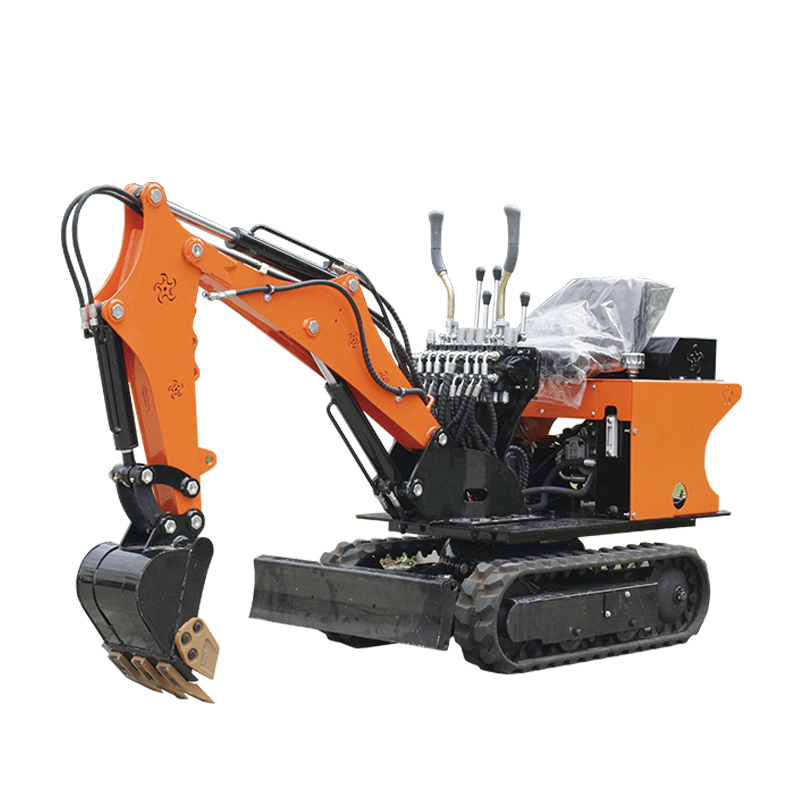
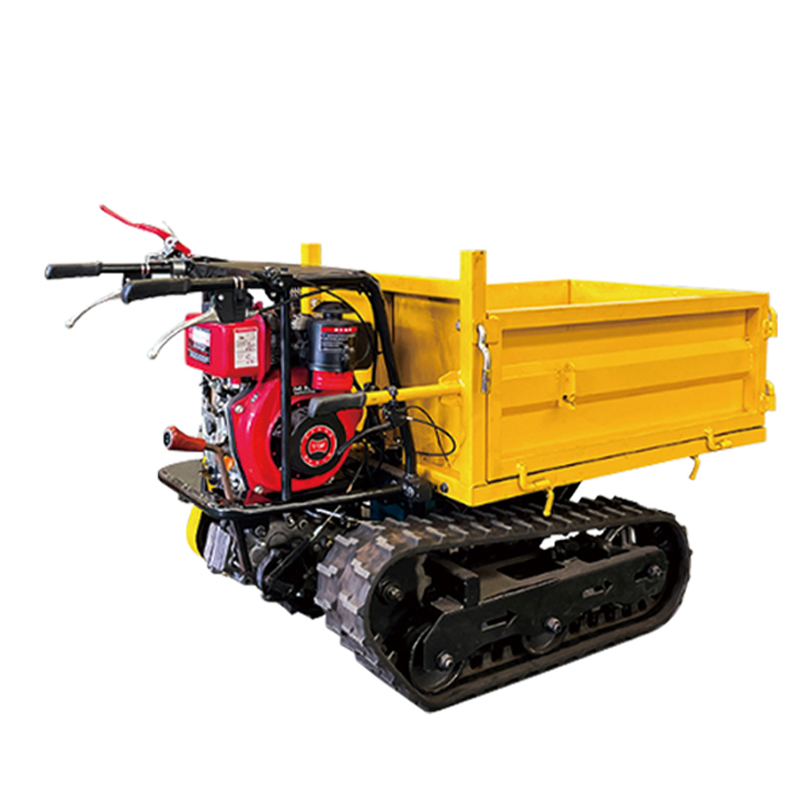
The fuel consumption rate of excavators is affected by multiple factors such as the equipment’s own parameters, operating conditions, operation methods, and maintenance status. The specific related factors are as follows:
Engine Performance and ModelHigh-power, large-displacement engines have higher basic fuel consumption and are suitable for heavy-duty operations of large excavators. In contrast, small-displacement engines or models equipped with energy-saving technologies (such as electronic control common rail, turbocharging) feature higher fuel utilization rate and relatively lower fuel consumption. In addition, the age of the engine also affects fuel consumption—aged engines suffer from severe cylinder wear and carbon deposits, leading to insufficient fuel combustion and a significant increase in fuel consumption.
Excavator Tonnage and Self-weightLarge excavators (e.g., over 30 tons) have greater self-weight and operating load, paired with high-power engines, resulting in far higher fuel consumption per unit time than small excavators (e.g., under 6 tons). Among excavators of the same tonnage, crawler-type models have slightly higher fuel consumption during travel than wheeled models due to their lower ground contact pressure and higher travel resistance.
Hydraulic System Matching DegreeThe power matching between the hydraulic system and the engine directly affects fuel consumption. If the hydraulic pump displacement is excessively large or the control system response is delayed, it will cause power waste like "a large horse pulling a small cart". On the contrary, hydraulic systems adopting load-sensing control and electro-hydraulic proportional control can automatically adjust flow and pressure according to operating load, effectively reducing fuel consumption caused by useless work.
Operation Type and Load IntensityFuel consumption of heavy-duty operations (such as mine crushing, rock excavation) is much higher than that of light-load operations (such as site leveling, shallow trench digging). The former requires the engine to continuously output high power, with the hydraulic system operating under high-pressure conditions. Frequent bucket lifting, slewing and unloading actions will increase power consumption—compared with uniform-speed travel or static operation, fuel consumption will rise by 30%–50%.
Worksite ConditionsWhen operating on soft, muddy or steeply sloped sites, the excavator’s travel and operation resistance increases. The engine needs to increase rotational speed to overcome the resistance, leading to a significant rise in fuel consumption. On the contrary, operating on firm and flat hardened ground involves lower resistance, so fuel consumption remains relatively stable.
Ambient Temperature and AltitudeIn low-temperature environments, engine oil viscosity increases and fuel atomization deteriorates. After startup, the engine requires a longer warm-up time, and combustion efficiency decreases, resulting in a 10%–20% increase in fuel consumption. In high-altitude areas, thin air leads to insufficient engine air intake and incomplete fuel combustion. Fuel consumption increases with rising altitude—for every 1,000 meters of altitude gain, fuel consumption increases by approximately 8%–12%.
Coherence of Operating MovementsSkilled operators perform more precise and coherent movements, which can reduce redundant actions such as idle bucket rotation and ineffective slewing, thus cutting down power waste. In contrast, novice operators tend to make frequent movements with large load fluctuations, easily causing the engine speed to fluctuate sharply and resulting in higher fuel consumption.
Engine Speed ControlKeeping the engine running at high idle speed for a long time will cause unnecessary fuel consumption. Reasonably matching operating load with rotational speed—for example, using medium-low speed for light loads and increasing speed only for heavy loads—can effectively reduce average fuel consumption.
Travel and Transfer MethodsFor short-distance transfers, the fuel consumption of crawler-type excavators traveling directly is higher than that of transportation by trailer. Frequent spot turns increase the frictional resistance between tracks and the ground—compared with small-angle turns, fuel consumption is about 20% higher.
Filter CleanlinessA clogged air filter will lead to insufficient engine air intake and incomplete fuel combustion, increasing fuel consumption. A clogged fuel filter will cause poor fuel supply and reduced engine power. To maintain the operating load, the engine has to increase rotational speed, which indirectly increases fuel consumption.
Engine Oil and Hydraulic Oil ConditionUsing engine oil with mismatched viscosity grade will increase the internal friction resistance of the engine. Deteriorated or improperly viscous hydraulic oil will increase the operating resistance of the hydraulic system. Both of these conditions will lead to higher fuel consumption.
Component Wear ConditionExcessive wear of track shoes and jamming of carrier rollers will increase travel resistance. Severe wear of bucket teeth will reduce excavation efficiency, requiring longer operation time to complete tasks, and ultimately increasing total fuel consumption.


 Chinese