
 Chinese
- HOME >> NEWS >> Industry news
NEWS
Latest Product
Contact Us
What Are the Applications of Road Rollers in Engineering Projects?
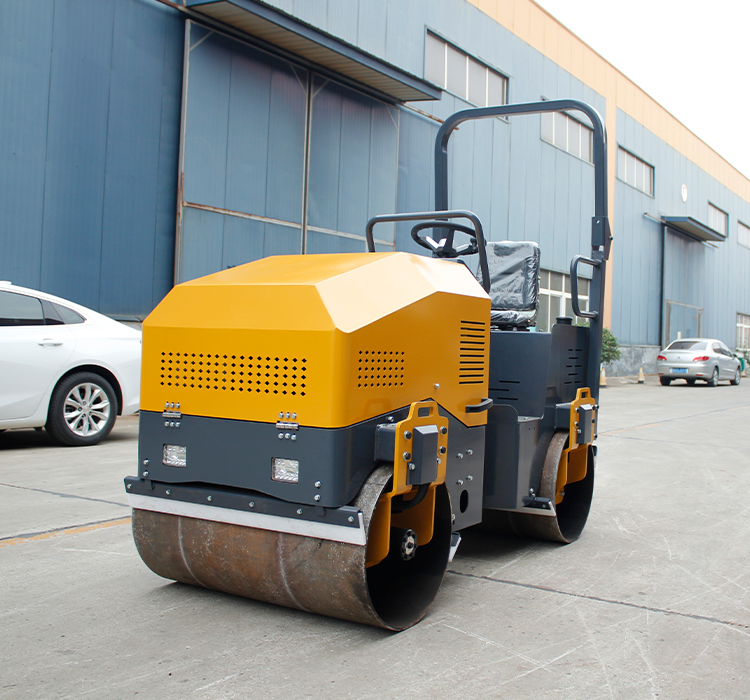
2025-05-29Road rollers are essential compaction equipment in civil engineering and construction, widely used in scenarios requiring improved material density. Based on the characteristics of different roller types, their applications can be categorized as follows:
I. Road Construction
Highways & Expressways
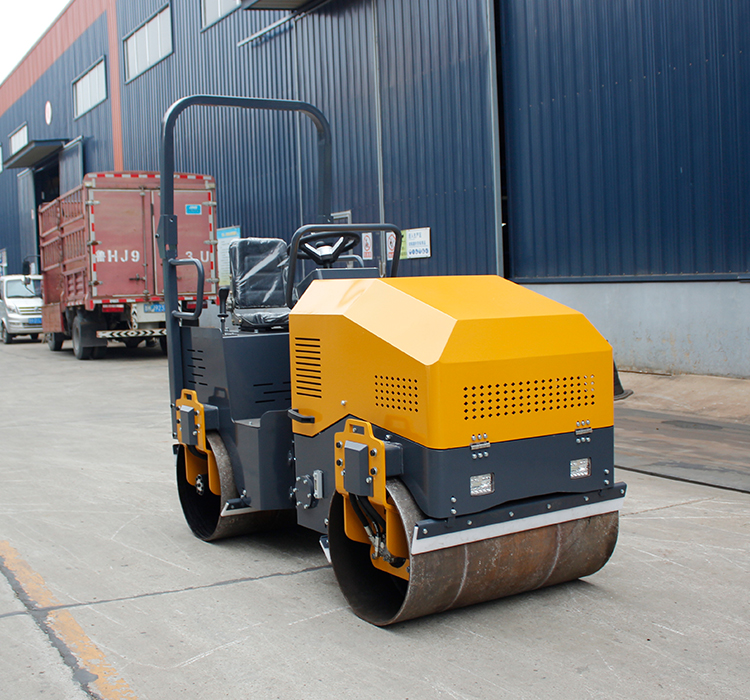
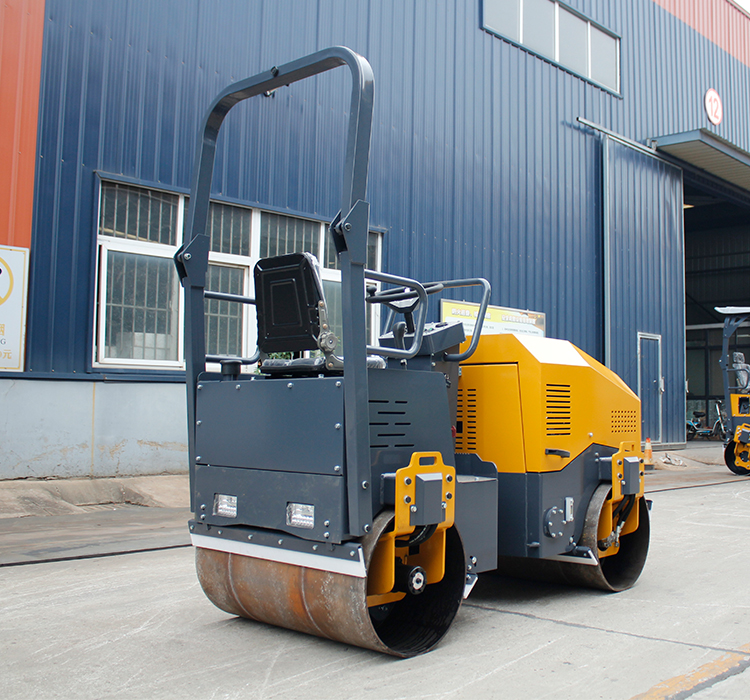
Initial compaction: Double-drum rollers (static or low-frequency vibration) stabilize the asphalt layer.
Intermediate compaction: Pneumatic-tire rollers enhance density through kneading.
Final compaction: Double-drum rollers (high-frequency vibration) eliminate wheel marks and improve smoothness.
Subgrade compaction: Single-drum vibratory rollers (10–20 tons) compact fill soil and gravel base layers to ensure load-bearing capacity.
Asphalt pavement compaction:
RCC (Roller-Compacted Concrete): Heavy vibratory rollers compact dry, stiff concrete.
Urban Roads & Municipal Engineering
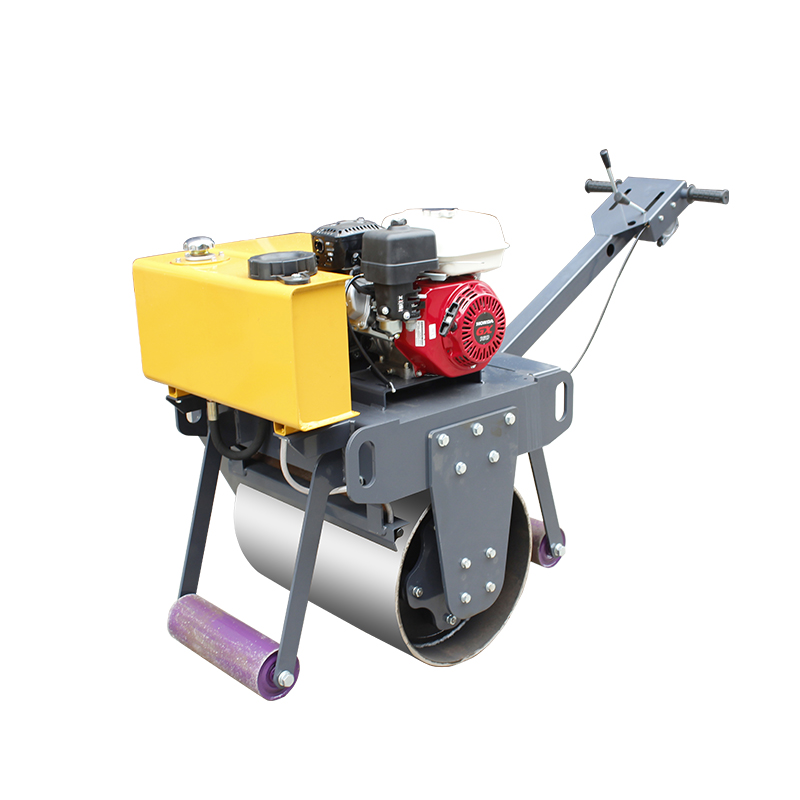
Sidewalks/bike lanes: Small walk-behind rollers (1–3 tons) compact asphalt or permeable materials.
Manhole backfilling: Mini rollers or plate compactors ensure localized compaction to prevent settlement.
II. Railway Engineering
Railway subgrade: Large single-drum vibratory rollers (18–25 tons) compact fill soil or ballast in layers.
Ballastless tracks: High-frequency vibratory rollers compact graded aggregate layers.
III. Airport Construction
Runway base layers: Heavy vibratory rollers compact crushed stone or stabilized soil to withstand aircraft loads.
Apron asphalt surfacing: Combined pneumatic-tire and double-drum rollers reduce porosity and prevent fuel seepage.
IV. Hydraulic & Dam Engineering
Embankment dams: Extra-heavy vibratory rollers (25+ tons) compact clay or rock fill in layers.
Riverbank slopes: Slope-specific rollers or specialized equipment handle inclined surfaces.
V. Building & Foundation Engineering
Foundation treatment:
Vibratory rollers compact backfill or sand cushion layers to prevent building settlement.
Replace plate compactors in confined areas for shallow compaction.
Basement backfilling: Small rollers or plate compactors compact soil around excavations.
VI. Special Applications
Mining & Land Reclamation
Mine haul roads: Heavy rollers compact gravel subgrades for heavy truck traffic.
Landfill/reclamation: Oversized rollers compact sand/rock fill in layers.
Landscaping & Eco-Projects
Lawn preparation: Light static rollers level soil without over-compacting vegetation.
Permeable paving: Low-frequency vibration maintains drainage in porous concrete/gravel.
Emergency Repairs
Pothole patching: Small rollers quickly compact asphalt or cold-mix repairs.
Trench backfilling: Trench rollers prevent post-construction road collapse.
VII. Roller Selection Guide
| Application | Recommended Roller Type | Specs/Features |
|---|---|---|
| Subgrade compaction | Single-drum vibratory roller | 10–25 tons, high-frequency |
| Asphalt final compaction | Pneumatic-tire roller | 16–30 tons, kneading action |
| Confined areas | Walk-behind roller | 1–3 tons, maneuverable |
| Slope compaction | Slope roller | Anti-tip design |
| Eco-sensitive zones | Electric roller | Zero emissions, low noise |
VIII. Summary
Core application logic:
Earthwork/subgrade: Heavy vibratory rollers (deep compaction).
Asphalt pavements: Steel-wheel + pneumatic-tire combos (stability + surface sealing).
Special cases (narrow, sloped, eco-zones): Dedicated rollers (e.g., walk-behind, electric).
Proper roller selection and techniques significantly improve efficiency, quality, and cost-effectiveness while reducing energy consumption.