
 Chinese
- HOME >> NEWS >> Industry news
NEWS
Latest Product
Contact Us
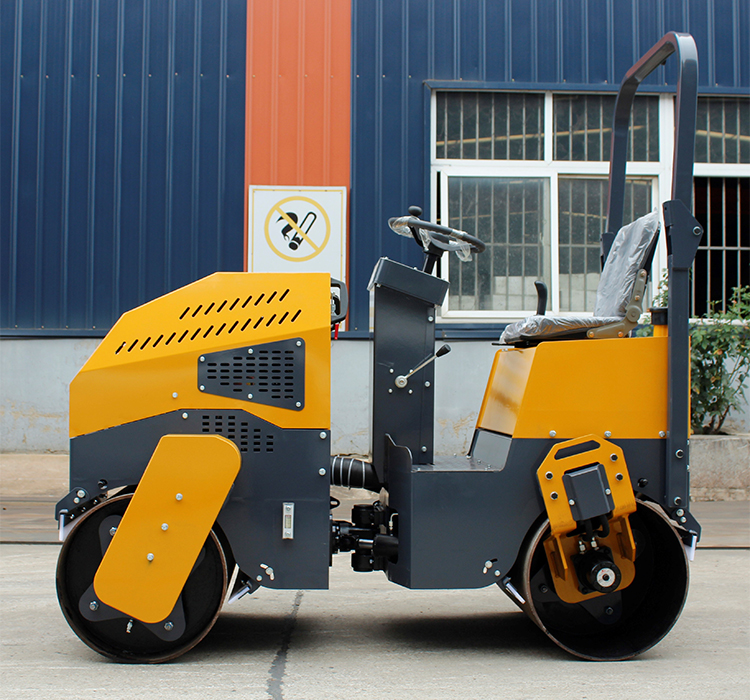
What is the Maintenance Schedule for Road Rollers?
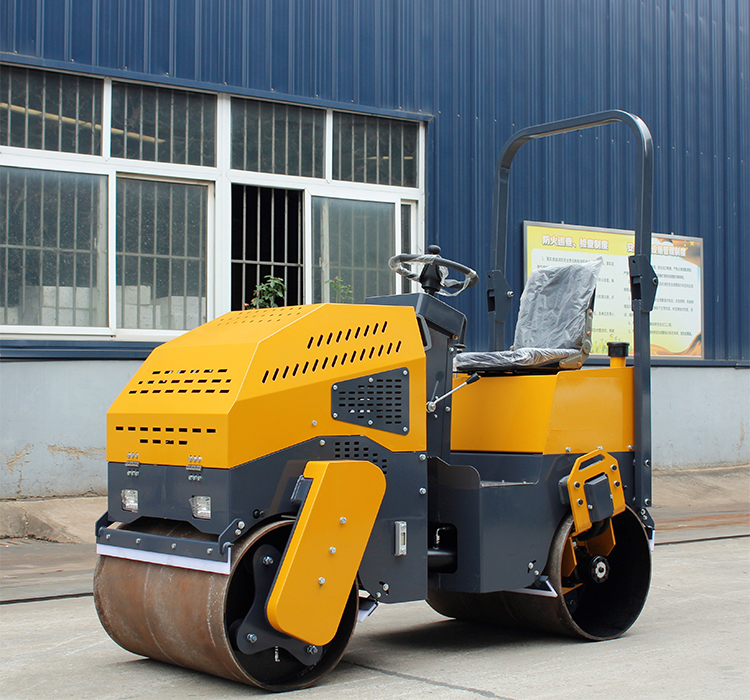
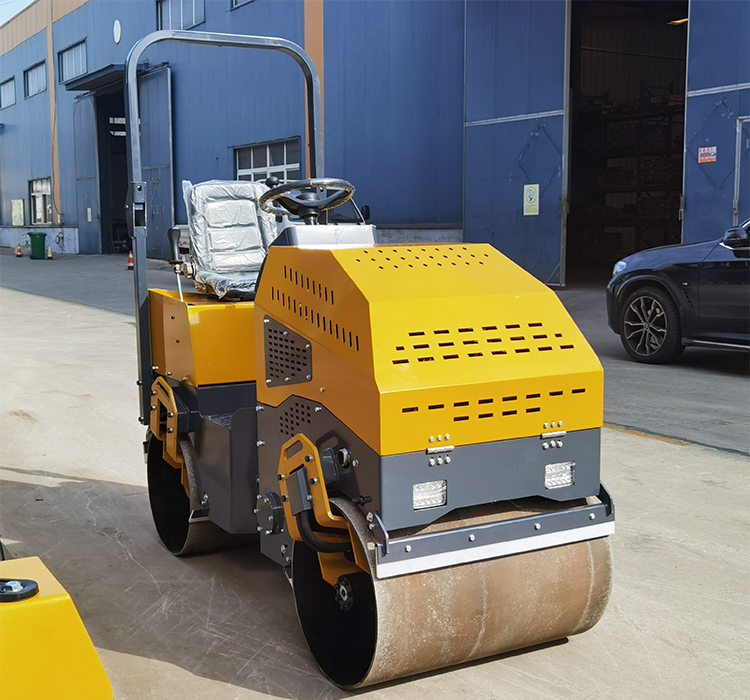
2025-05-29Regular maintenance is crucial for ensuring optimal performance and extending the service life of road rollers. Below is a detailed maintenance guide categorized by daily, weekly, monthly, quarterly, and annual intervals, applicable to vibratory rollers, pneumatic-tire rollers, and other types.
I. Daily Maintenance (Every 8–10 Operating Hours)
Visual Inspection & Cleaning
Remove adhered materials (asphalt, mud) from drums/tires.
Check for oil leaks, stains, or abnormal wear.
Fluid Level Checks
Engine oil: Ensure level is within dipstick range (top up if needed).
Hydraulic oil: Monitor tank level and clarity.
Fuel tank: Drain water to prevent condensation.
Fasteners & Safety Devices
Inspect bolts/nuts (e.g., vibratory drum bolts) for looseness.
Test emergency brakes, lights, and horn functionality.
Tire/Drum Condition
Tire pressure (refer to manual; typically 0.3–0.5 MPa).
Check steel drums for cracks or excessive wear.
II. Weekly Maintenance (50 Operating Hours)
Lubrication System
Grease all lubrication points (bearings, joints) with lithium-based grease.
Inspect vibratory drum bearing lubrication.
Filter Checks
Air filter: Clean/replace (shorten intervals in dusty environments).
Fuel filter: Drain or replace.
Transmission System
Inspect chain/belt tension and wear.
III. Monthly Maintenance (250 Operating Hours)
Oil & Filter Replacement
Engine oil: Change (initial break-in oil change at 50 hours).
Oil filter: Replace simultaneously.
Hydraulic System
Replace hydraulic oil filter.
Check for leaks and loose fittings.
Vibration System
Inspect eccentric weight bolts for tightness.
Listen for abnormal noises in vibration motors.
IV. Quarterly Maintenance (500 Operating Hours)
Cooling System
Clean radiator fins; check coolant level and freeze point.
Electrical System
Inspect battery electrolyte levels and terminal corrosion.
Test sensors (e.g., compaction monitoring systems).
Braking System
Check brake pad wear and fluid degradation.
V. Annual Maintenance (1,000–2,000 Operating Hours)
Full Fluid Replacement
Hydraulic oil: Complete change with tank flushing.
Gear oil: Replace in travel reduction/vibration gearboxes.
Critical Component Overhaul
Vibratory bearings: Inspect wear; replace if necessary.
Drums/tires: Check balance and structural damage.
Engine Major Service (Optional)
Inspect cylinder compression, injectors (diesel), and carbon buildup.
VI. Long-Term Storage (Idle >1 Month)
Clean machine; apply anti-rust oil to drums/tires.
Disconnect battery negative terminal; recharge monthly.
Retract hydraulic cylinder rods to protect seals.
VII. Maintenance Log (Example)
| Task | Interval | Action | Status |
|---|---|---|---|
| Engine oil change | 250 hours | Replace oil + filter | ✅ |
| Hydraulic filter change | 500 hours | Replace + inspect oil quality | ⬜ |
| Vibratory bearing lube | Weekly | Apply high-temp grease | ✅ |
VIII. Key Notes
Environment: Shorten air filter intervals in dusty areas; use low-temperature oils in cold climates.
OEM Parts: Use manual-specified filters/fluids (e.g., ISO VG46 hydraulic oil).
Warning Signs: Immediately halt operation for abnormal vibrations, noises, or power loss.
Following this schedule can reduce unexpected failures by 50%+, extend roller lifespan by 3–5 years, and maintain peak compaction performance.