

 Chinese
- HOME >> NEWS >> Industry news
NEWS
Latest Product
Contact Us
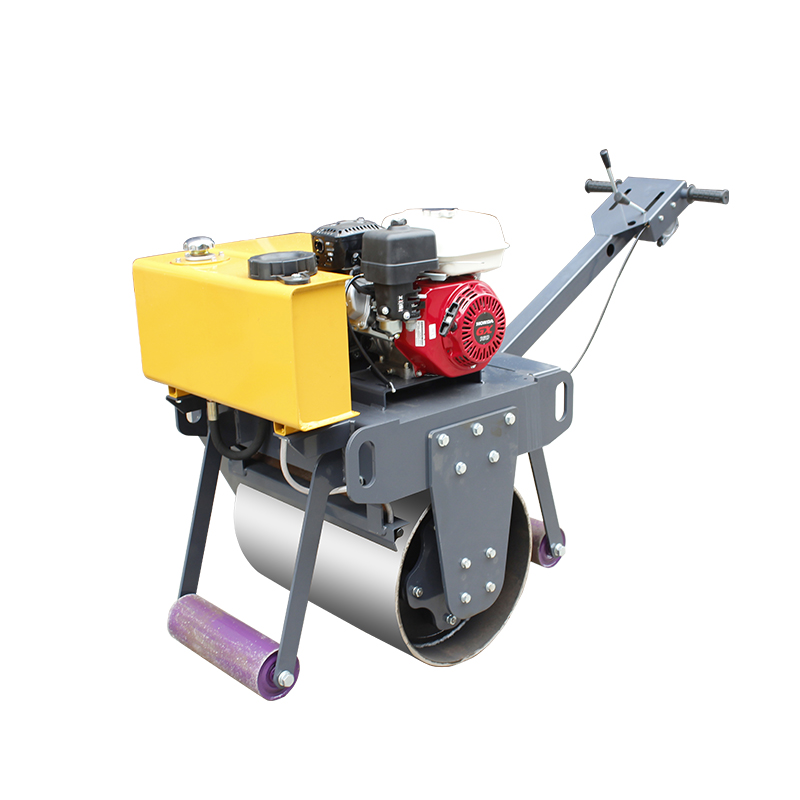
What safety precautions should be taken during the operation of a road roller?
2025-05-08Road Roller Operation Safety Guide: 10 Critical Precautions
Road rollers are heavy construction machinery, and improper operation may cause serious accidents. The following safety regulations must be observed during road roller operations:
Operator Qualifications & Condition Check
Certified Operation: Operators must undergo professional training and obtain special equipment operation certification.
No Fatigue/Alcohol Operation: Rotate shifts after 4+ hours of continuous work.
Proper Attire: Wear reflective vests, anti-slip work shoes, and avoid loose clothing (to prevent entanglement).
2. Pre-Operation Safety Inspection
Equipment Condition:
Check for fuel, hydraulic oil, or coolant leaks.
Ensure steel wheels/tires are crack-free and the vibration system is functional.
Site Assessment:
Clear debris (e.g., rebar, sharp stones) from the work area.
Verify slope gradients (longitudinal ≤30%, transverse ≤10%); use anti-slip measures if exceeded.
3. Startup & Travel Safety
Sound Horn Before Starting: Warn nearby personnel to keep clear.
Slope Operation:
Never coast downhill in neutral—use low gear for braking.
On transverse slopes, keep the center of gravity uphill.
Speed Limits:
≤6 km/h in vibration mode; ≤10 km/h without vibration.
Reduce to 2–3 km/h when turning to prevent rollover.
4. Compaction Safety Essentials
Edge Compaction: Maintain ≥1.5 m from trenches/cliff edges; use warning stakes if needed.
Overlap Rolling: Ensure ≥20 cm wheel overlap to avoid missed spots.
Vibration Mode: Confirm no one is nearby before activating; start/stop vibration only when stationary (prevents surface waves).
5. Hazard Control for Special Materials
Asphalt Work:
Wear heat-resistant gloves (asphalt ≥120°C).
Apply release agent to prevent wheel sticking.
Clay Compaction: Monitor for "springy soil" (pause if moisture is excessive).
6. Teamwork Safety
Spotter for Reversing: Use standardized hand signals (e.g., GB 5082-85 crane signals).
No Pedestrians in Work Zone: Blind spots cause 40% of roller accidents.
Multi-Machine Ops: Maintain ≥3 m spacing between rollers to avoid collisions.
7. Emergency Response
Malfunctions:
Shut off vibration immediately; inspect after engine stop.
Never block hydraulic leaks with hands (high-pressure oil can pierce skin).
Loss of Stability: Steer opposite to the tilt direction (avoid sudden brakes).
8. Shutdown Protocol
Parking:
Choose level ground; deploy safety stands (prevents rolling).
Use wheel chocks on slopes.
Maintenance: Clean drum buildup with tools (never bare hands).
9. Adverse Weather Measures
Rain/Fog:
Stop asphalt work (rain causes rapid cooling).
Activate warning lights; halt if visibility <50 m.
Heatwaves: Hydrate every 2 hours to prevent heatstroke.
10. Long-Term Safety Maintenance
Daily Checks: Brakes, steering, and lights.
Scheduled Servicing:
Replace hydraulic filters every 250 hours.
Inspect vibration bearings every 500 hours.
Case Studies & Lessons
Case 1: Worker run over due to blind spot → Solution: Install rear radar + 360° cameras.
Case 2: Unlocked roller rolled downhill → Solution: Mandatory wheel chocks on slopes.
Safety Slogan:
"One lapse = lifelong regret. Compact safety before compacting surfaces!"
Following these rules reduces roller-related accidents by 90%. Regular safety drills are recommended to reinforce risk awareness.