
 Chinese
- HOME >> NEWS >> Industry news
NEWS
Latest Product
Contact Us
How Does the Weight of a Road Roller Affect Compaction Effectiveness?
2025-05-29The operating weight (tonnage) of a road roller is one of the most critical parameters determining compaction results, directly influencing compaction depth, density uniformity, and construction efficiency. Different tonnages are suited for different working conditions. Here's a detailed analysis:
I. The Physics of Weight and Compaction
Linear Pressure (N/cm)
Higher linear pressure = deeper compaction (ideal for subgrades/fill projects).
For asphalt surfaces, control linear pressure (typically 200–400 N/cm) to avoid aggregate crushing.
Definition: Pressure exerted per unit length of the drum. Formula:
Example: A 10-ton roller (200 cm drum width) ≈ 490 N/cm.
Effects:
Ground Contact Pressure (kPa)
Pneumatic-tire rollers: Distribute weight over tire contact area; lower pressure improves kneading (ideal for asphalt finishing).
Steel-drum rollers: Concentrated pressure suits hard materials.
II. Applications by Weight Class
| Weight Range | Compaction Depth | Typical Applications | Example Models |
|---|---|---|---|
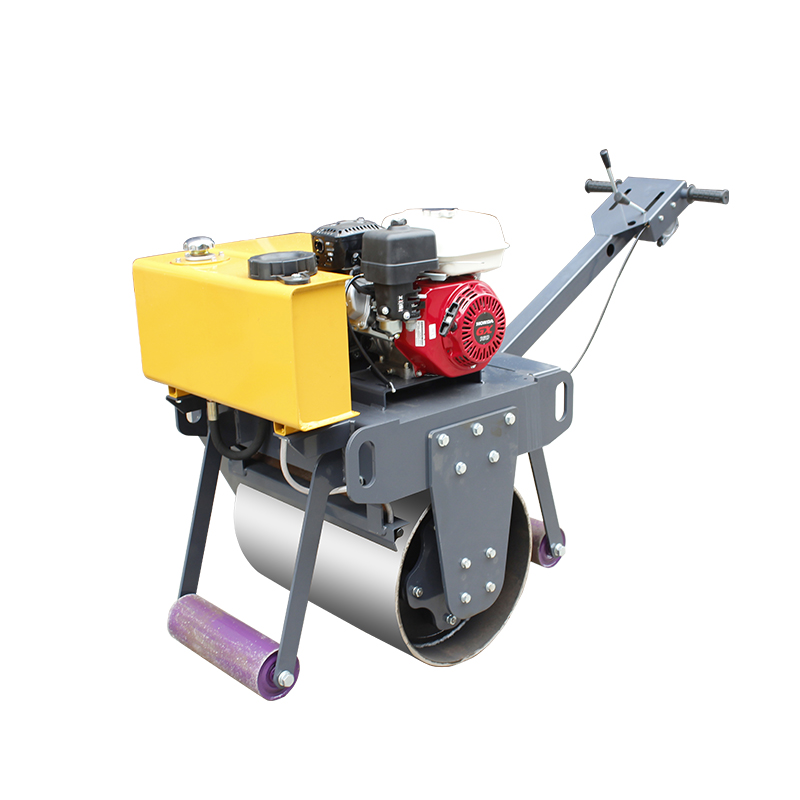
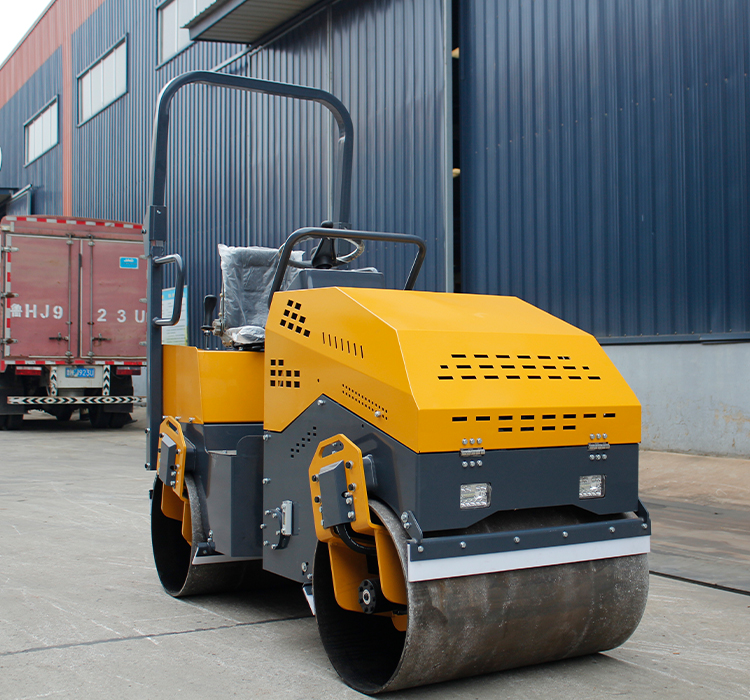
| 1–3 tons | Shallow (10–20 cm) | Sidewalks, trench backfill, small repairs | Walk-behind single-drum rollers |
| 5–8 tons | Medium (20–30 cm) | Municipal road bases, parking lots | Small single-drum vibratory rollers |
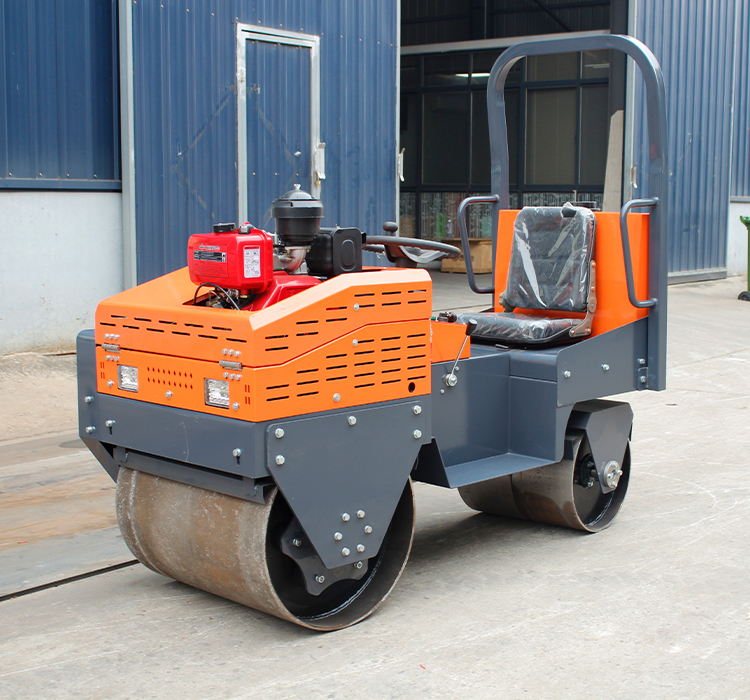
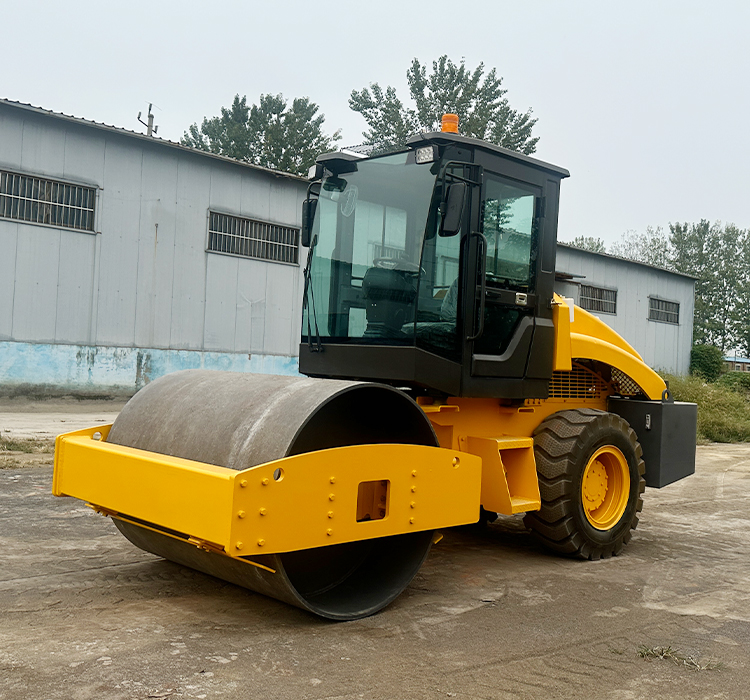
| 10–14 tons | Mid-deep (30–50 cm) | Highway subgrades, crushed stone layers | Medium single-drum vibratory rollers |
| 16–20 tons | Deep (50–80 cm) | Expressway subgrades, dam construction | Heavy single-drum vibratory rollers |
| 20–30 tons | Extra-deep (80+ cm) | Airport runways, mining fills, railway beds | Super-heavy pneumatic/combo rollers |
III. Consequences of Incorrect Weight Selection
Underweight Rollers
Insufficient compaction depth → more passes needed (reduced efficiency).
Uneven base density → upper pavement cracking.
Issues:
Example: A 5-ton roller on a 50 cm subgrade requires 10+ passes vs. 5 passes for a 14-ton roller.
Overweight Rollers
Crushed asphalt aggregates (especially with coarse mixes).
Over-compacted soft soil → "spring soil" (structural damage).
Issues:
Example: A 30-ton roller on 15 cm asphalt causes surface bleeding and aggregate wear.
IV. Synergy with Other Parameters
Weight + Vibration Frequency
High weight + low frequency/high amplitude: Deep compaction (e.g., 25-ton roller at 28 Hz/1.8 mm).
Low weight + high frequency/low amplitude: Surface compaction (e.g., 8-ton roller at 50 Hz/0.5 mm).
Weight + Rolling Speed
Heavy rollers: Lower speed (2–4 km/h) for optimal force transfer.
Light rollers: Higher speed (4–6 km/h) but more passes required.
V. Weight Adjustment for Special Conditions
Slope Compaction
Use mid-weight rollers (8–12 tons) with anti-slip designs.
Thin Asphalt Layers
Opt for 8–10 ton double-drum rollers to avoid over-compaction.
High-Moisture Soils
Reduce weight (e.g., 6-ton static rollers) to prevent soil liquefaction.
VI. Advanced Tech: Smart Weight Adjustment
Variable ballast systems: Dynamically adjust weight with add-on weights (e.g., Hamm HD+ series).
Compaction feedback systems: Monitor density in real-time and auto-adjust vibration parameters.
Summary
Key Principles:
Deep compaction: Heavy rollers (14+ tons) + low-frequency vibration.
Surface compaction: Light rollers (<8 tons) + high-frequency vibration.
Trade-offs: Material type, layer thickness, project timeline, and cost.
Myth Busting: Heavier isn’t always better—match weight to job requirements.
Optimal Selection: Can improve compaction quality by 30%+ while reducing fuel use and pass counts.