
 Chinese
- HOME >> NEWS >> Industry news
NEWS
Latest Product
Contact Us
What is the difference between the walking mode of a road roller (tire type, steel wheel type)?
2025-05-29The travel methods of road rollers (tire-type/steel-wheel-type) directly affect their compaction principles, applicable scenarios, and construction results. Below is a comprehensive comparison of the two to help you make precise selections based on project requirements:
I. Core Structural Differences
| Comparison Item | Tire-Type Road Roller | Steel-Wheel-Type Road Roller |
|---|---|---|
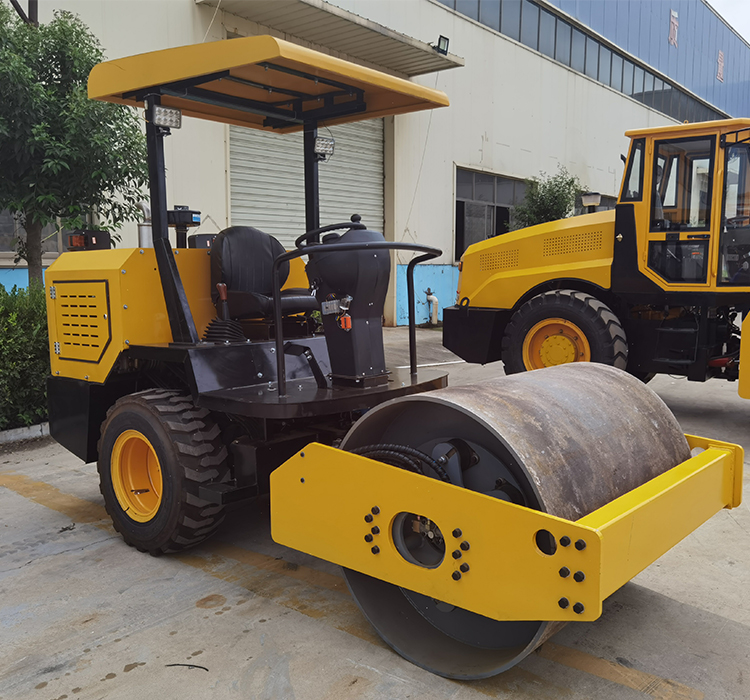
| Travel Mechanism | Inflated rubber tires (typically 5–11 front tires) | Solid steel rollers (single or dual wheels) |
| Drive Method | All-wheel or rear-wheel drive | Steel-wheel drive + tire steering (single-drum models) |
| Weight Adjustment | Adjustable via ballast or tire pressure | Fixed weight (some models can add water for extra weight) |
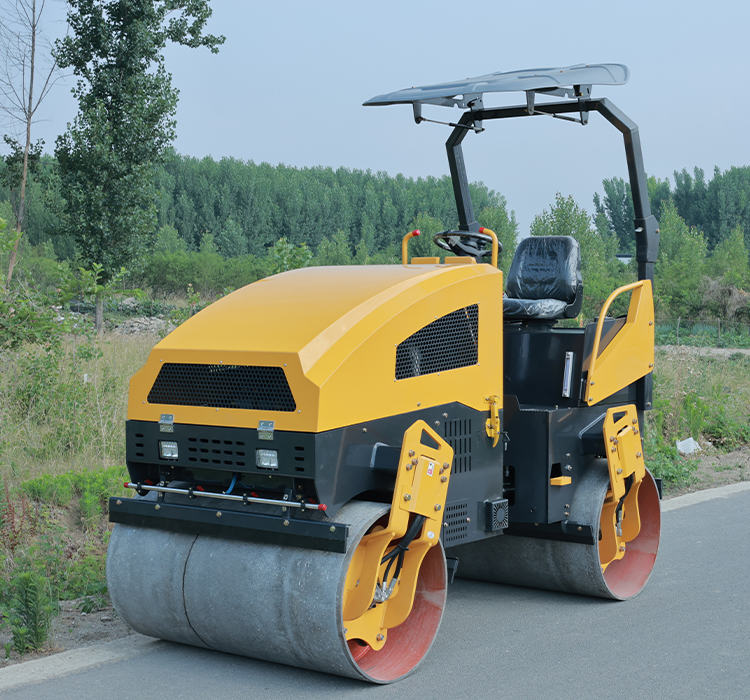
| Typical Tonnage | 10–30 tons (16–25 tons for large projects) | 1–25 tons (8–20 tons for vibratory models) |
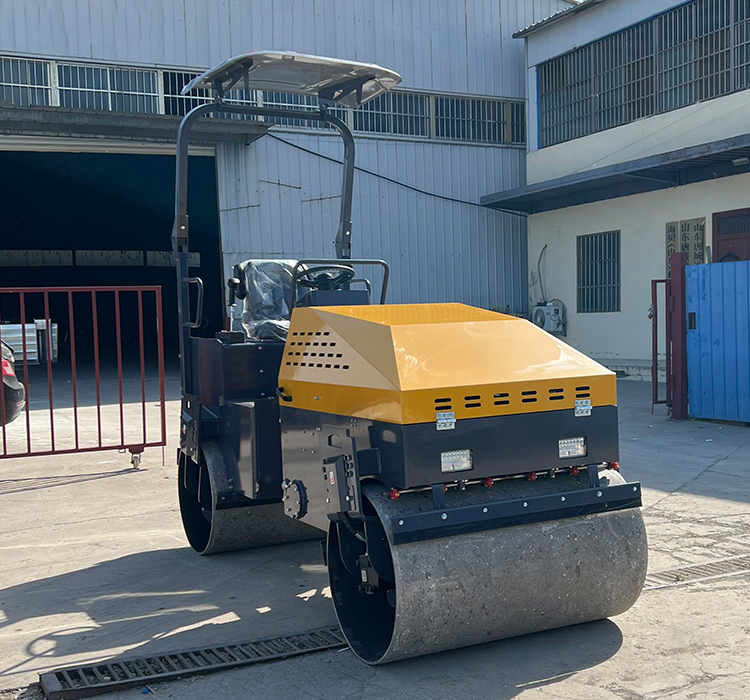
II. Compaction Principle Comparison
| Compaction Characteristic | Tire-Type | Steel-Wheel-Type |
|---|---|---|
| Force Type | Flexible kneading (tire elastic deformation) | Rigid static pressure or vibratory impact |
| Pressure Distribution | Large contact area, low ground pressure (uniform) | Small contact area, concentrated pressure |
| Penetration Depth | Moderate (depends on tire pressure) | Deep (vibratory rollers can reach 1m+) |
| Surface Finish | Sealed surface, no wheel marks (ideal for final compaction) | Possible wheel marks (requires cross-rolling) |
Typical Scenarios:
Tire-Type: Final asphalt layer compaction, clay compaction (prevents shear damage).
Steel-Wheel-Type: Subgrade gravel compaction, initial asphalt compaction (quick stabilization).
III. Performance and Economic Comparison
| Metric | Tire-Type | Steel-Wheel-Type |
|---|---|---|
| Compaction Efficiency | Lower (requires more passes) | High (vibratory models 3x more efficient) |
| Suitable Materials | Asphalt, cohesive soil, mixed materials | Gravel, sandy soil, asphalt (initial compaction) |
| Terrain Adaptability | Poor (prone to slipping on slopes) | Strong (can be equipped with anti-slip devices) |
| Maintenance Cost | High (frequent tire replacement) | Low (long steel-wheel lifespan) |
| Purchase Cost | Higher (20%–30% more for same tonnage) | Lower |
IV. Key Factors for Selection
Material Type:
Asphalt Pavement: Steel-wheel for initial compaction (quick stabilization) → Tire-type for final compaction (kneading densification).
Granular Soil/Gravel: Prioritize vibratory steel-wheel rollers (deep penetration).
Cohesive Soil: Tire-type prevents over-compaction; vibratory steel-wheel requires frequency control.
Construction Phase:
Base Compaction: Vibratory steel-wheel (10–20 tons).
Surface Final Compaction: Tire-type (16–25 tons).
Special Requirements:
Slope Work: Steel-wheel (with anti-slip brakes).
Environmental Needs: Tire-type (lower noise).
V. Common Misconceptions Clarified
❌ Myth 1: Tire-type rollers can fully replace steel-wheel rollers.
✅ Fact: Tire-type cannot achieve the deep compaction effect of vibratory steel-wheel rollers; they must be used in combination.
❌ Myth 2: Steel-wheel rollers always crush asphalt aggregate.
✅ Fact: Dual-drum rollers with high frequency & low amplitude (50Hz/0.3mm) can safely compact asphalt.
VI. Cutting-Edge Technological Developments
Smart Tire Rollers: Real-time monitoring of tire pressure & ground pressure (e.g., Dynapac PT series).
Hybrid Drive Steel-Wheel Rollers: Combined steel-wheel + tire designs (e.g., XCMG XP303K).
Summary: One-Sentence Selection Advice
Choose Tire-Type: Final asphalt compaction, clay compaction, high surface smoothness requirements.
Choose Steel-Wheel-Type: Deep subgrade compaction, gravel/sandy soil, high-efficiency needs.
Best Practice: Large road projects should combine steel-wheel + tire-type rollers for balanced efficiency and quality.