
 Chinese
- HOME >> NEWS >> Industry news
NEWS
Latest Product
Contact Us
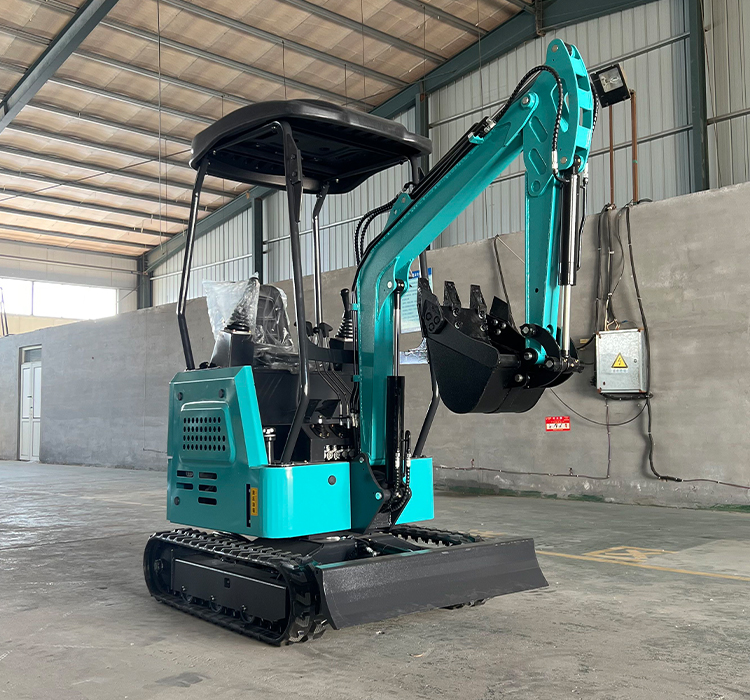
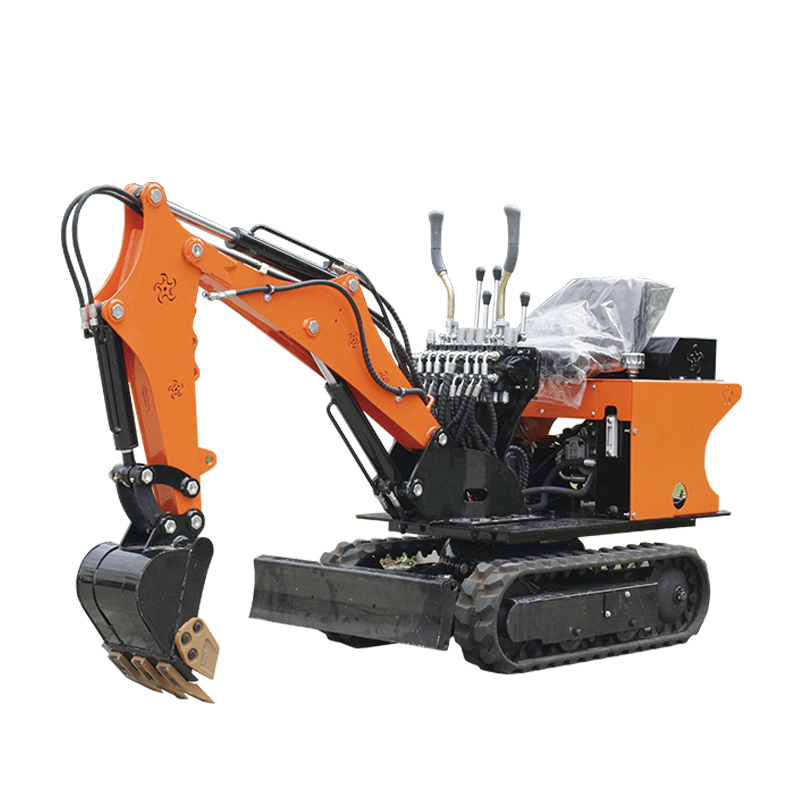
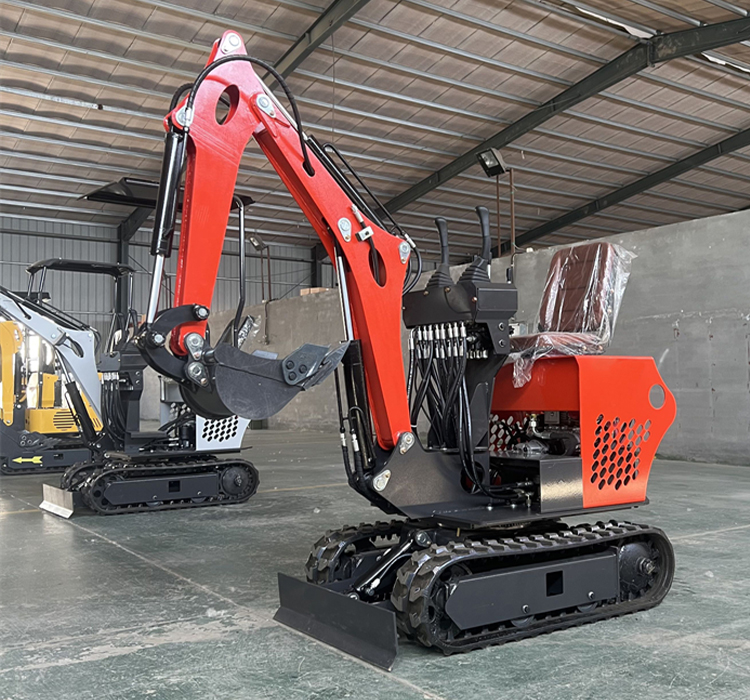
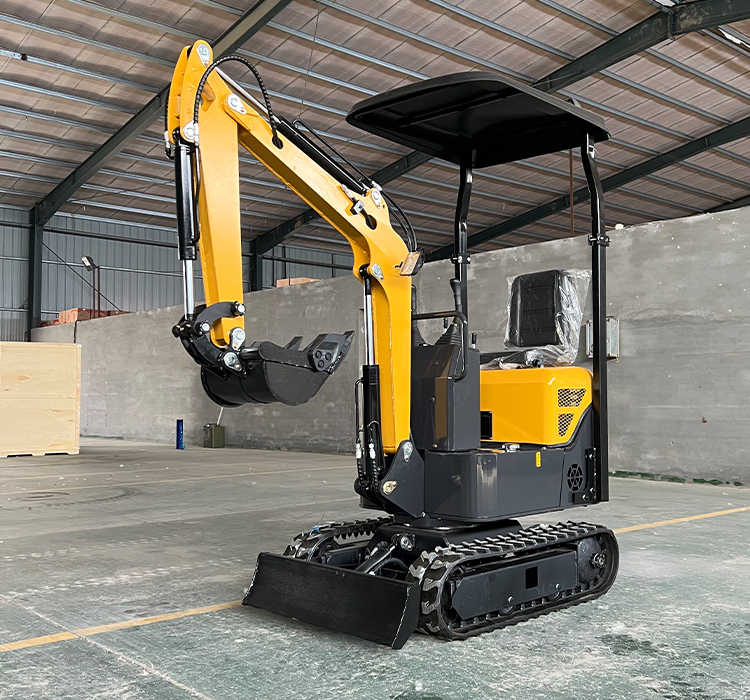
Application Scenarios of Mini Excavators (Compact Excavators)
2025-05-29Mini excavators (typically 1–6-ton compact machines) are indispensable due to their flexibility, low cost, and ability to operate in confined spaces. Below is a detailed analysis of their typical applications and advantages:
I. Municipal & Urban Engineering
1. Pipeline Installation & Maintenance
Trench digging (depth ≤3m) for water/electricity/gas pipelines.
Advantage: Operates in narrow streets without damaging roads; 10x more efficient than manual labor.
2. Landscaping & Construction
Digging tree pits, leveling grounds, installing irrigation systems.
Case Study: A 1.8-ton excavator easily maneuvers between trees in residential greenbelt renovations.
3. Municipal Maintenance
Cleaning septic tanks, unclogging drains, demolishing small concrete structures.
II. Construction & Renovation
1. Basement/Confined Space Work
Indoor demolition, foundation excavation (can enter spaces ≥80cm wide).
Note: Electric or low-noise models (e.g., Kubota U10-3) are preferred.
2. Building Renovation
Wall demolition, debris handling (with hydraulic grab or thumb attachments).
III. Agriculture & Rural Development
1. Farmland Water Conservancy
Digging drainage ditches, building canals, pond dredging (daily capacity ≈300㎡).
2. Greenhouse Construction
Land leveling, foundation work (compact size prevents greenhouse damage).
IV. Specialized Applications
1. Indoor Demolition & Renovation
Mall/factory retrofits (requires rubber tracks to protect floors).
2. Mountain & Terraced Field Work
Road construction, terrace reinforcement (2–3-ton models handle slopes <30°).
3. Emergency Rescue
Clearing debris in tight spaces (e.g., earthquake rubble, landslide sites).
V. Core Advantages of Mini Excavators
| Advantage | Description | vs. Traditional Excavators |
|---|---|---|
| Maneuverability | Width <1m, tight turning radius | Large excavators need ≥2.5m workspace |
| Cost-Efficiency | Low fuel consumption (3–5L/h), cheap rental | Large excavators consume 15–30L/h |
| Versatility | Quick attachment swaps (e.g., breakers, augers) | Limited attachment compatibility |
| Transport Ease | Transportable via pickup/small trailer | Requires heavy trucks + cranes |
VI. Model Selection Guide
1–2 tons: Indoor renovation, greenhouse work (e.g., Caterpillar 301.8).
3–4 tons: Municipal pipelines, farmland projects (e.g., Mitsubishi MS04-2).
5–6 tons: Mountainous terrain, small earthworks (e.g., Komatsu PC58).
Pro Tip: Opt for zero-tail-swing models to minimize space requirements!
VII. Limitations & Considerations
Depth Limit: Max digging depth typically ≤3.5m (check specs).
Hardness Limit: Unsuitable for rock excavation (requires breaker attachment).
Eco-Requirements: Electric models (e.g., XCMG XE15E) recommended for urban areas.
Mini excavators are ideal for urban micro-renovations and precision projects, reducing labor costs by 50%+!