

 Chinese
- HOME >> NEWS >> Industry news
NEWS
Latest Product
Contact Us
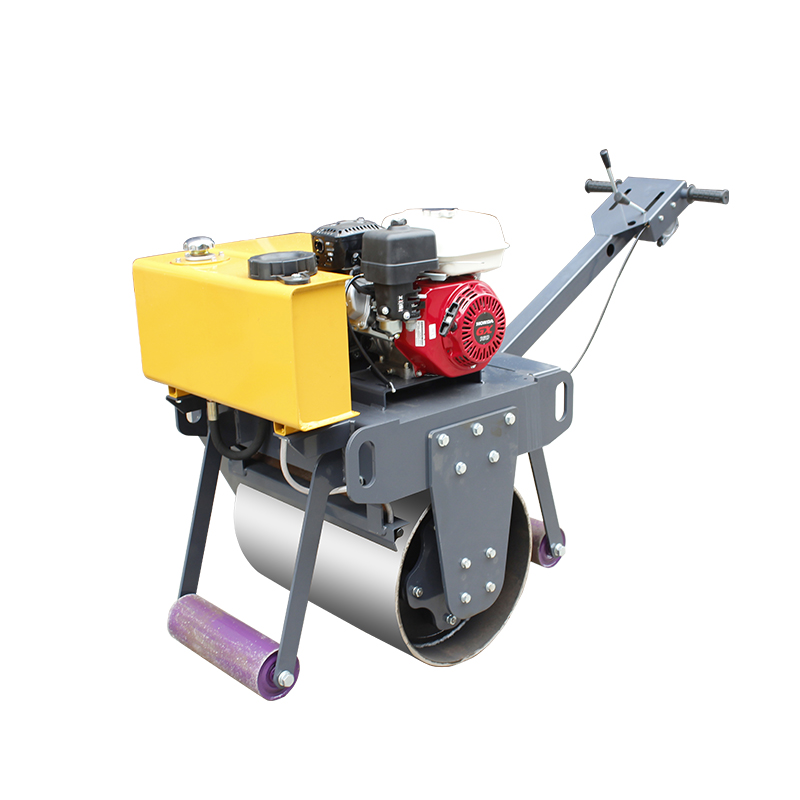
What is the operating speed of road rollers on different pavements?
2025-08-22The operating speed of road rollers on different pavements varies depending on factors such as the type of roller, the characteristics of pavement materials, and the compaction stage. Here are some common ranges of operating speeds:
Asphalt pavements:
Soil/subgrade pavements:
In addition, impact rollers typically operate at a speed of 10-15 km/h in ultra-deep compaction scenarios such as high fills and airport runways. The actual situation may vary in different projects. Before formal construction, a test section is usually conducted to determine the optimal operating speed.
Copyright © 2025
Shandong Juyou Machinery Equipment Co., Ltd XML