Wheel loaders and track loaders have significant differences in terms of travel mechanism, mobility, operating efficiency, maintenance cost, etc., which are detailed as follows:
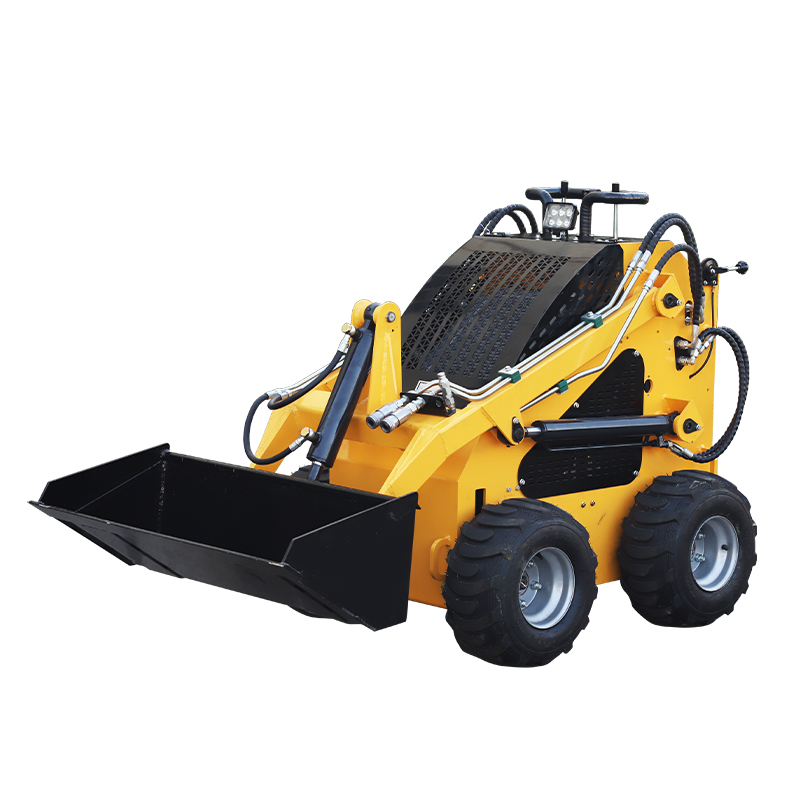
Wheel loaders adopt a tire - type travel mechanism, which has a small contact area with the ground.
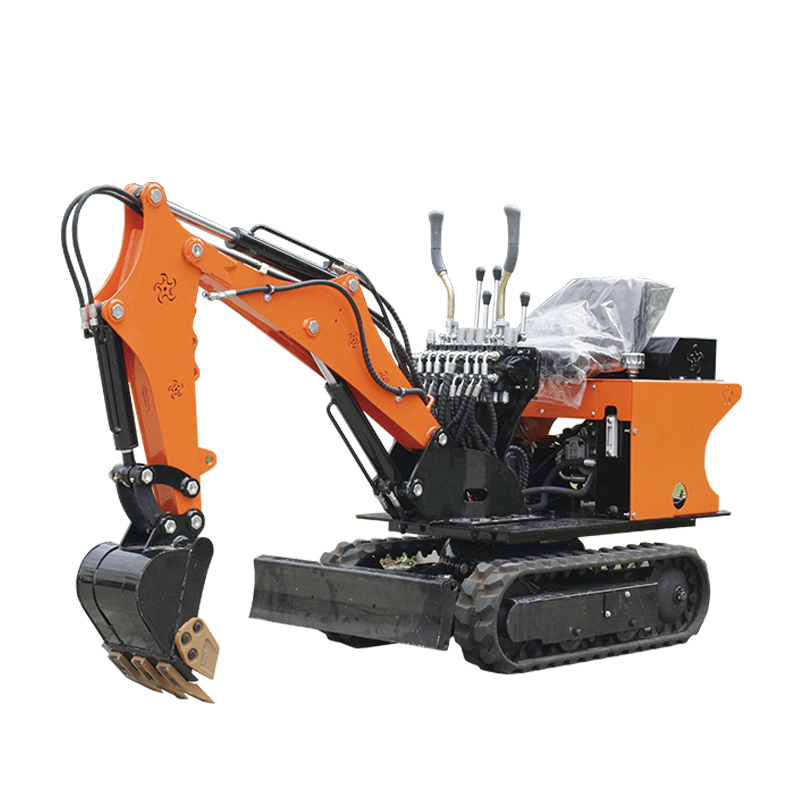
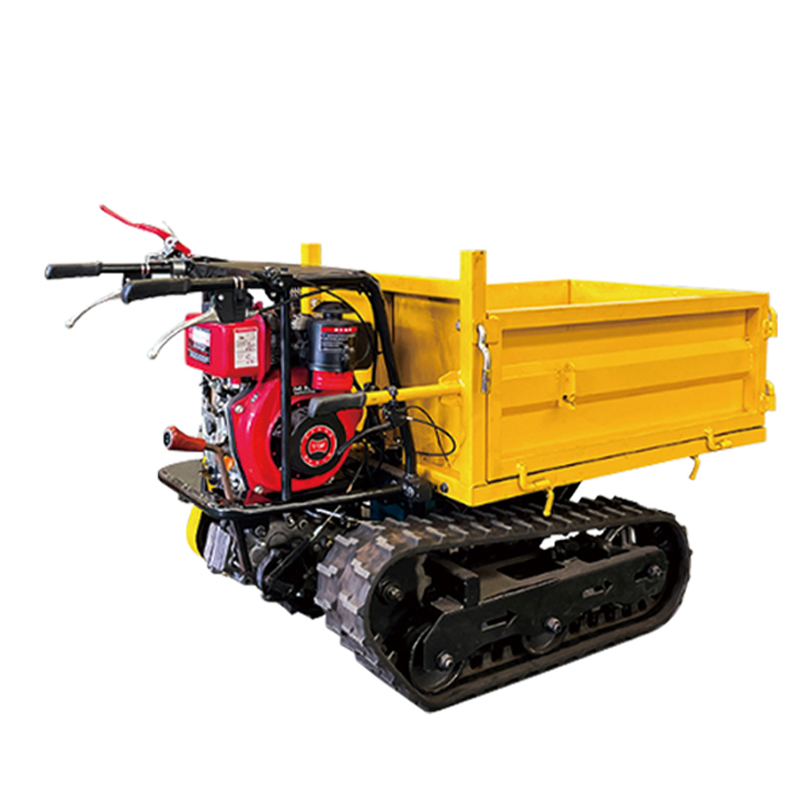
Track loaders move on tracks, which are composed of track plates and other components, and have a large contact area with the ground.
Wheel loaders have a high travel speed, usually reaching 20 - 40 km/h. They feature flexible steering and a small turning radius, making them suitable for rapid transfer on hard roads and operation in narrow spaces.
Track loaders have a low travel speed, generally ranging from 5 - 15 km/h. When steering, the tracks slide and rub against the ground, resulting in a large turning radius and relatively cumbersome operation. They need to rely on trailers for transfer.
On flat and hard roads, wheel loaders have fast start - up and braking responses. They are suitable for frequent short - distance material transportation and have high operating efficiency.
Although track loaders have a slow travel speed, they have strong climbing ability and passability in complex terrains, enabling them to load and transfer materials more effectively.
The tire grip of wheel loaders is not as good as that of tracks. Under heavy load or harsh working conditions, they have insufficient traction and adhesion. In addition, their center of gravity is relatively high, leading to slightly poor roll stability.
The friction between the tracks of track loaders and the ground is large, and their traction can be 2 - 3 times that of wheel loaders. They have a low center of gravity and good chassis stability.
The tire replacement and maintenance of wheel loaders are convenient, their accessories have strong universality, and the maintenance cost is relatively low.
The track structure of track loaders is complex, which is prone to jamming by gravel and soil. Regular lubrication and tightness adjustment are required. The track components wear quickly, the replacement cost is high, and the maintenance cost is relatively expensive.
Wheel loaders are suitable for operation in dry, hard and flat environments, such as urban construction, road construction, logistics and warehousing.
Track loaders are mainly used in harsh environments or heavy - load working conditions, such as mining, water conservancy projects, agricultural reclamation and so on.
When choosing between wheel loaders and track loaders, the decision can be made based on the following factors:
Operating Environment: If the operating environment is mainly hard ground, such as highways and construction sites, and frequent transfer is required, wheel loaders are a better choice. If the working conditions are complex, such as soft, muddy and steep terrain, or operation is needed on fragile roads to protect the ground, track loaders are more suitable.
Operating Requirements: For the situation where a large amount of materials need to be transported quickly and the operation site is relatively flat, wheel loaders have higher operating efficiency. If it is heavy - load excavation work, such as mining rock excavation and frozen soil crushing, the strong traction and digging force of track loaders can better meet the needs.
Cost Considerations: The purchase cost and maintenance cost of wheel loaders are relatively low. If you are sensitive to costs and the operating environment is suitable, you can give priority to wheel loaders. Although track loaders have higher initial purchase costs and later maintenance costs, they can play a greater role in specific working conditions and may be more cost - effective from the perspective of long - term benefits.



 Chinese