

 Chinese
- HOME >> NEWS >> Industry news
NEWS
Latest Product
Contact Us
What Types of Goods Are Electric Forklifts Suitable for Handling?
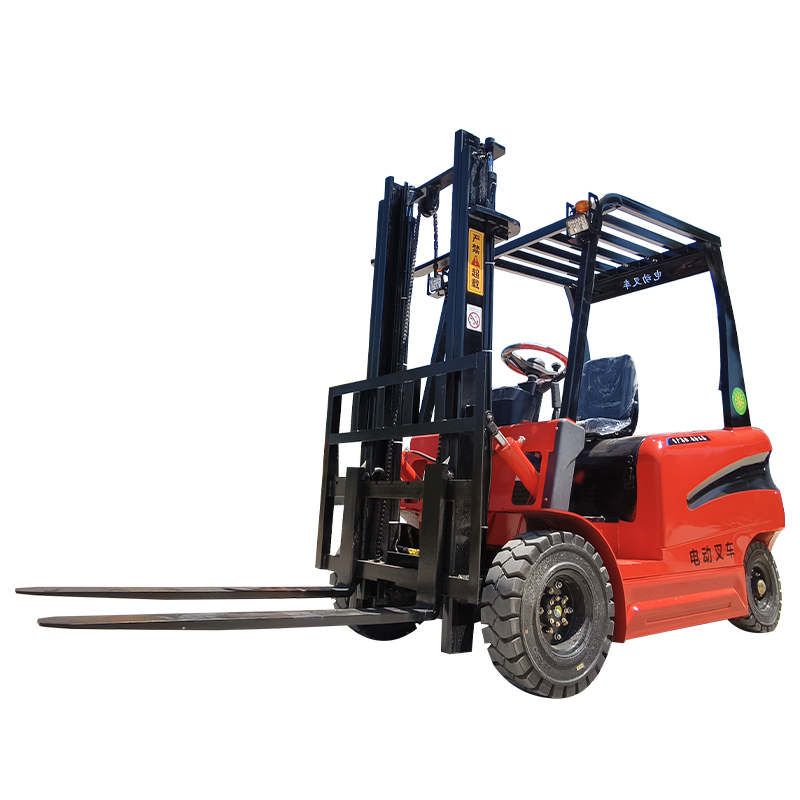
2025-09-18With core features such as zero exhaust emissions, low noise, precise control, and minimal vibration, along with compatibility for modifications with various forks/attachments, electric forklifts can meet the needs of goods handling in multiple indoor and outdoor scenarios. They offer significant advantages especially in scenarios with high requirements for the environment, safety, and cargo stability. Below is a detailed breakdown of the types of goods they are suitable for, from two dimensions: cargo characteristics and typical application scenarios.
I. Classification by Cargo Characteristics: Core Advantages in Adapting to Multiple Cargo Types
The design features of electric forklifts (e.g., low vibration, precise control, and support for attachment modifications) enable them to handle goods of different weights, shapes, and precision requirements. The specific classifications are as follows:
| Cargo Type | Core Features | Adaptation Advantages of Electric Forklifts | Typical Cargo Examples |
|---|---|---|---|
| Medium & Lightweight Standard Palletized Goods | Weight: 1-5 tons, neatly packed, carried on pallets | 1. Counterbalanced/forward-reach electric forklifts have a small turning radius and can move flexibly in narrow aisles (2-3 meters); 2. Fast motor response and precise fork lifting/translating to avoid pallet collisions with shelves. | E-commerce cartons, food boxes, household appliance packaging, daily chemical product pallets |
| Heavy-Duty Industrial Goods | Weight: 5-10 tons, high density, fixed shape | 1. Heavy-duty electric forklifts (e.g., 10-ton counterbalanced models) provide stable power and can still reach a travel speed of 5-8 km/h when fully loaded; 2. No vibration from fuel engines, preventing heavy goods (e.g., metal parts) from shifting due to vibration. | Machine tool accessories, metal ingots, large molds, heavy equipment parts |
| Precision/Fragile Goods | Sensitive to vibration, prone to contamination, requiring gentle handling | 1. Stable operation of electric forklifts with a vibration frequency of ≤2 Hz (far lower than the 5-8 Hz of internal combustion forklifts), reducing cargo damage; 2. Zero exhaust emissions, avoiding oil fume/exhaust pollution to precision components (e.g., electronic components). | Electronic chips, glass products, medical equipment, precision instruments |
| Bulk Loose Goods (Needing Attachments) | No fixed packaging, easy to scatter (e.g., granules, powders) | 1. Can be equipped with attachments such as fork sleeves, buckets, and clamps to achieve "leak-free handling" of bulk goods; 2. Precise control allows fine adjustment of bucket angles to prevent loose goods from spilling and polluting the indoor environment. | Grain granules, plastic pellets, feed, chemical fertilizer powder |
| Extra-Long/Irregular-Shaped Goods | Length over 3 meters, irregular shape (e.g., pipes, plates) | 1. Can be modified with extended forks, side shifters, and rotating attachments to adapt to the length/shape of the goods; 2. Low-noise operation, which does not interfere with precision processing procedures when working in indoor processing workshops (e.g., pipe factories). | Metal pipes, wood panels, aluminum profiles, large packaged furniture |
| Clean Goods in Food/Pharmaceutical Industries | Requiring sterility, no peculiar smell, and compliance with hygiene standards | 1. Zero exhaust + low noise to avoid contaminating food/pharmaceuticals (e.g., bread, vaccines); 2. The forklift body can be treated for rust/water resistance, facilitating daily cleaning and disinfection and meeting the requirements of GMP (Good Manufacturing Practice for Pharmaceuticals). | Baked goods, cold-chain fresh produce, pharmaceutical cartons, vaccine cold storage boxes |
II. Classification by Typical Application Scenarios: More Prominent Scenario-Specific Adaptation Advantages
Work scenarios in different industries have different requirements for goods handling, and the adaptability of electric forklifts can be further refined:
1. Warehousing and Logistics Scenarios: Adapted to "High-Frequency, Narrow-Aisle" Pallet Handling
2. Manufacturing Workshop Scenarios: Adapted to "Precision, Heavy-Duty, Pollution-Free" Handling
3. Food/Pharmaceutical Industry Scenarios: Adapted to "Clean, Compliant" Handling
4. Building Materials/Plate Industry Scenarios: Adapted to Handling "Extra-Long, Irregular-Shaped" Goods
5. Supermarket/Retail Scenarios: Adapted to "Low-Noise, Short-Distance" Handling
III. Types of Goods Unsuitable for Electric Forklifts (Supplementary Note)
It should be noted that electric forklifts are not universal. The following types of goods are more suitable for internal combustion forklifts or other specialized equipment:
Conclusion: Core Adaptation Logic of Electric Forklifts
The core of electric forklifts' cargo adaptation lies in "scenario demand matching" — when a scenario requires "environmental cleanliness (zero exhaust), operational precision (low vibration), and space flexibility (narrow aisles)", their advantages far outweigh those of internal combustion forklifts. Whether it is medium-lightweight pallets, precision components, or clean goods in the food and pharmaceutical industries, as long as the operation scenario is mainly indoor/semi-enclosed, electric forklifts are a better choice for handling.
If you need to use this translation in a formal report or presentation, do you want me to help optimize it into a standard English technical document format with more concise sentence structures and industry-specific terminology?