
 Chinese
- HOME >> NEWS >> Industry news
NEWS
Latest Product
Contact Us
What Are the Differences in Climbing Ability Between Crawler Excavators and Wheeled Excavators?
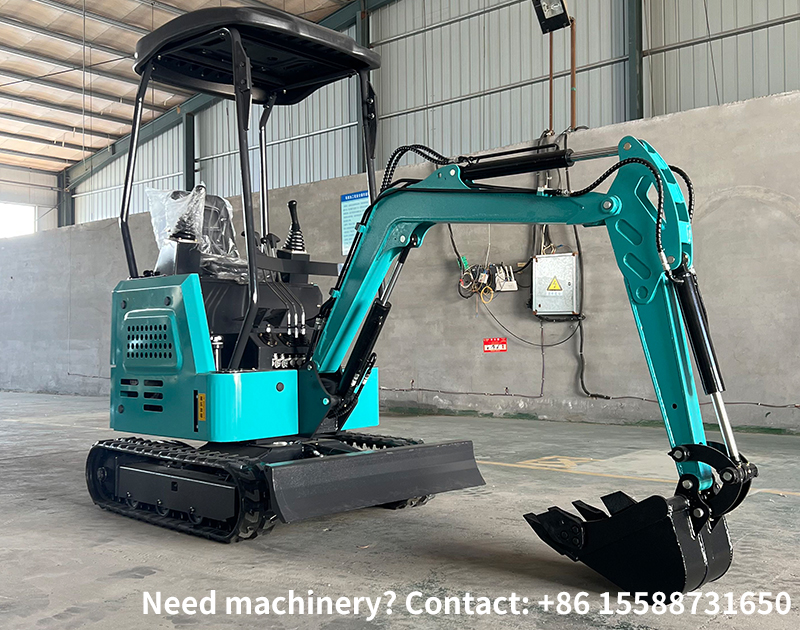
2025-12-25The differences in climbing ability between crawler excavators and wheeled excavators stem primarily from the variations in ground grip, ground contact pressure, and power transmission modes of their traveling mechanisms. The specific distinctions are as follows:
Differences in Maximum Climbing Angle
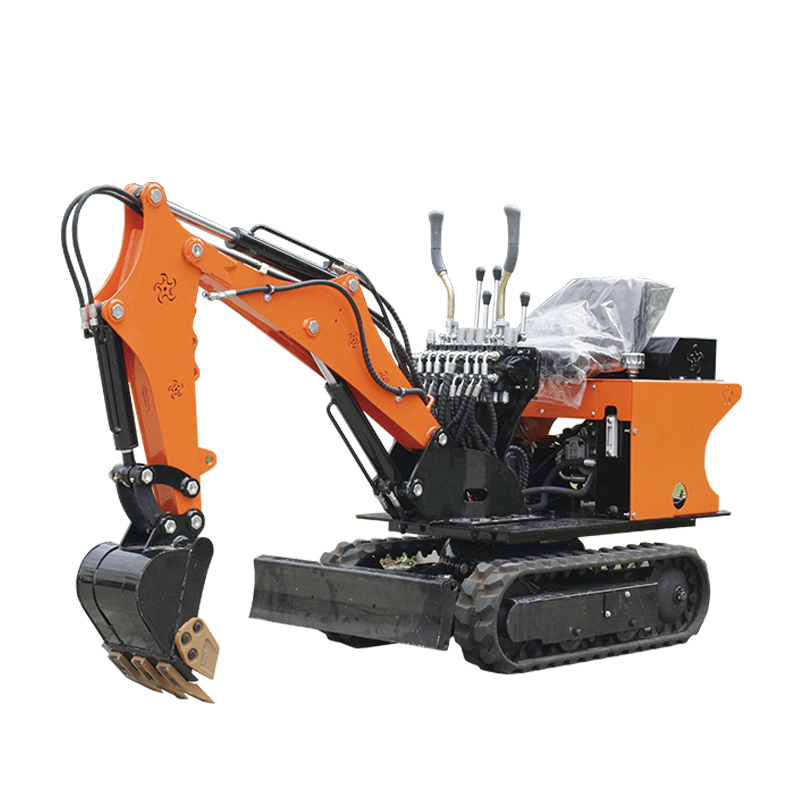
The maximum climbing angle of crawler excavators can usually reach 30°–45° (there are slight differences among models of different tonnages; large heavy-duty crawler excavators have stronger climbing ability). By contrast, the maximum climbing angle of wheeled excavators generally ranges from 15°–25°, and it is difficult to exceed 30° under extreme working conditions. The key reason for this gap lies in the contact mode between the traveling mechanism and the ground: crawler tracks form a continuous belt-shaped contact surface, which can evenly distribute the machine’s weight and provide stronger adhesion on slopes. On the other hand, tires make point contact with the ground, which is prone to slipping and unable to effectively transmit sufficient power to overcome slope resistance.
Differences in Climbing Adaptability on Different Road Surfaces
Differences in Loaded Climbing Ability
Crawler excavators support loaded climbing. Even when the bucket is loaded with materials, they can still climb steep slopes by virtue of strong grip and stable machine body. This feature is suitable for scenarios such as mines and mountainous areas where movement is required while working. Wheeled excavators have extremely weak loaded climbing ability; in a fully loaded state, they can hardly climb slopes exceeding 10°. Forcing a wheeled excavator to climb with a load will cause tire slipping and insufficient power, and even lead to safety accidents such as equipment overturning due to backward center-of-gravity shift. Therefore, wheeled excavators usually need to empty the bucket before climbing slopes.
Differences in Machine Stability During Climbing
Crawler excavators have a long track contact length with the ground, and their center of gravity is low and evenly distributed, so they are not easy to roll over or tip backward during climbing. Wheeled excavators have a narrow tire spacing and a relatively high center of gravity. During climbing, the center of gravity will shift downward along the slope. The steeper the slope, the worse the stability, which imposes higher requirements on the precision of operation.
Brief Summary: The climbing ability of crawler excavators is comprehensively superior to that of wheeled excavators, making them more suitable for climbing operations in complex terrain. Wheeled excavators can only meet the movement needs of small slopes on hardened roads and are unable to cope with harsh slope environments.