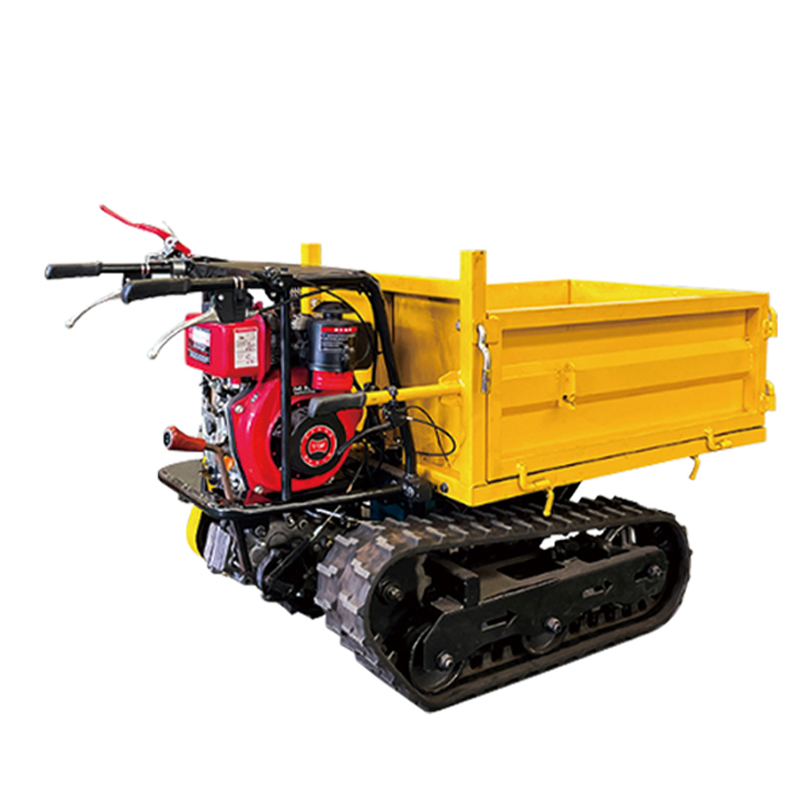
The differences in applicable operating scenarios between crawler excavators and wheeled excavators stem primarily from the distinctions in ground contact pressure, ground adaptability, and mobility brought about by their respective traveling mechanism characteristics (crawler tracks vs. tires). The specific scenario divisions are as follows:
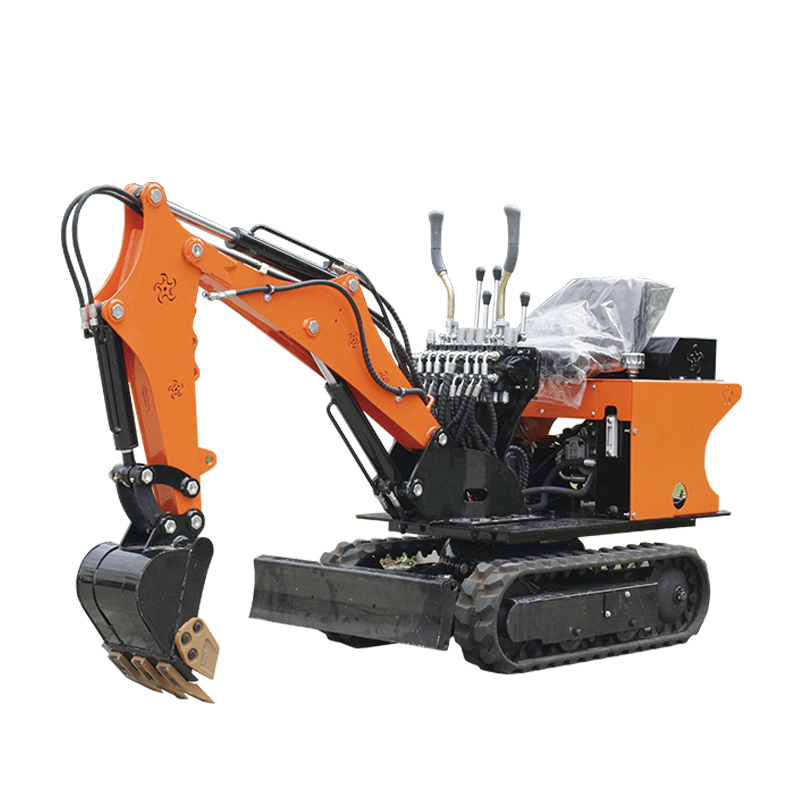
Crawler excavators feature a large ground contact area between their tracks and the ground, resulting in low ground contact pressure and strong ground adhesion. They are more suitable for complex, soft, and harsh non-hardened job sites, including the following specific scenarios:
Mining and Earthwork Projects: Heavy-duty operations such as open-pit mine rock stripping, ore loading, large foundation pit excavation, and subgrade filling. The strong grip of the tracks ensures stable equipment operation on uneven ground, preventing slippage.
Water Conservancy and Farmland Renovation: Scenarios like river dredging, reservoir construction, wetland development, and farmland leveling. The tracks can effectively avoid sinking on muddy and waterlogged ground, adapting well to wet and soft operating environments.
Mountain and Forest Operations: Tasks such as mountain reclamation, tree transplanting, and log grabbing and transportation in forest areas. Crawler tracks offer superior climbing capability, enabling travel on steep unpaved roads and adaptation to rugged terrain.
Demolition and Breaking Operations: High-intensity work including building demolition and concrete pavement breaking. The excellent stability of the tracks allows them to withstand the counter-impact force generated by hydraulic breakers, preventing equipment shaking or displacement.
Long-term Fixed-site Operations: Suitable for continuous construction at a single job site without the need for frequent relocation.
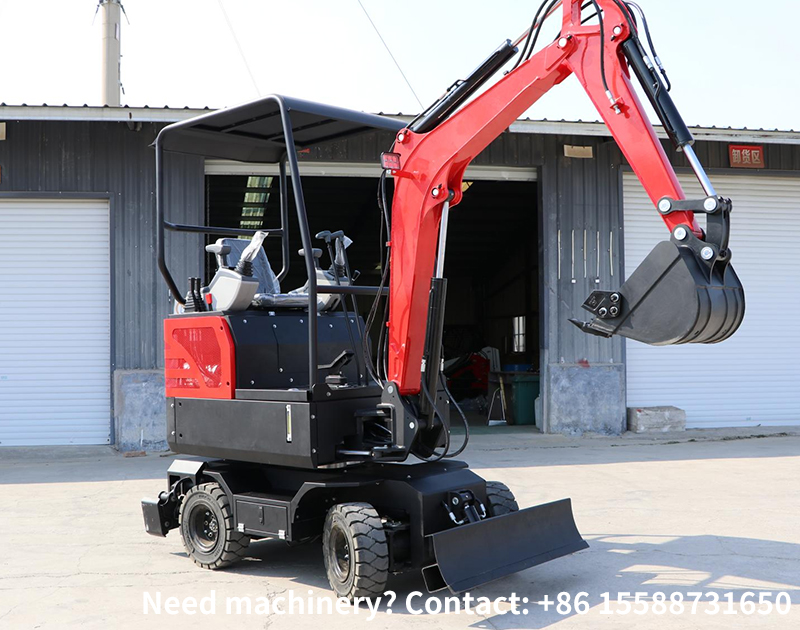
Wheeled excavators are ideal for urban areas, hardened road surfaces, and job sites requiring frequent relocation. Their key advantages lie in convenient mobility and minimal damage to paved roads. Specific applicable scenarios include:
Municipal Road Maintenance: Work such as urban road repair, sewer dredging, cable trench excavation, and green belt trimming. They can travel directly on asphalt or concrete roads without the need for additional trailer transportation and will not damage the road surface.
Scattered Urban and Rural Projects: Small-volume construction tasks including township building construction, small septic tank excavation, and rural water conservancy pipeline laying. They are suited for mobile construction across multiple sites over short distances, with relocation efficiency far exceeding that of crawler excavators.
Port and Logistics Park Operations: Tasks like container yard sorting, bulk cargo loading and unloading, and goods transfer. The wheeled structure enables high travel speeds, allowing quick movement within the park to meet the demands of high-frequency short-distance transfer tasks.
Narrow Urban Space Operations: Small-scale earthwork projects in urban streets and lanes, as well as the renovation of old residential communities. Wheeled excavators boast high steering flexibility, making it easier to adjust their working positions in narrow roads and facilitating easy entry and exit.
Emergency Rescue and Relief Operations: Emergency tasks such as clearing road collapses and removing silt after floods. They can rush to the scene quickly without waiting for trailer transportation, enabling immediate deployment for rescue work.
The disadvantages of crawler excavators include inconvenient relocation, significant damage to hardened road surfaces, and inability to travel long distances on urban roads. In contrast, wheeled excavators have poor adaptability to soft ground, are prone to slipping and sinking on muddy or sandy terrain, and lack stability for heavy-duty operations.
The key to equipment selection lies in aligning with core operational requirements: prioritize crawler excavators if the job site is complex and heavy-duty construction is needed; opt for wheeled excavators if frequent relocation is required and the working surface consists of hardened roads.


 Chinese