

 Chinese
- HOME >> NEWS >> Industry news
NEWS
Latest Product
Contact Us
How to Select the Appropriate Road Roller for Different Compaction Materials (e.g., Asphalt, Subgrade Soil, Crushed Stone)?
2025-12-31Selecting the appropriate road roller based on different compaction materials is crucial for ensuring engineering quality and efficiency. The core lies in matching the compaction principle and roller characteristics of the road roller with the physical properties of the material. Below is a selection guide for three typical materials: asphalt, subgrade soil, and crushed stone:
1. Compaction of Asphalt Mixtures
Asphalt mixture is a thermoplastic material, and its compaction effect directly affects the smoothness, density, and service life of the pavement.
Core Requirements:
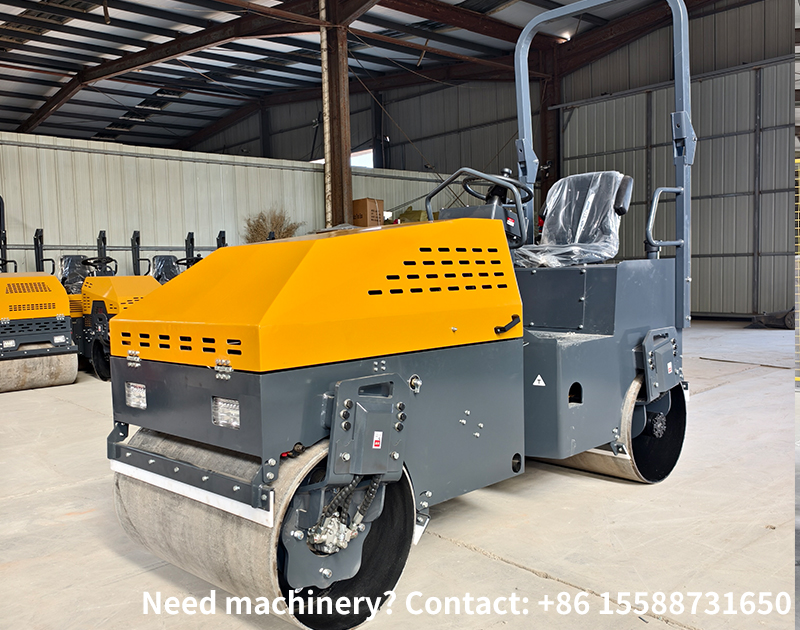
Recommended Road Roller Types:
Selection Points:
2. Compaction of Subgrade Soil
Subgrade soil includes various types such as cohesive soil, sandy soil, and silty soil. The compaction goal is to improve strength and stability.
Core Requirements:
Recommended Road Roller Types:
Selection Points:
3. Compaction of Crushed Stone / Graded Crushed Stone
Crushed stone and graded crushed stone are often used for pavement base or subbase, and their compaction goal is to form a stable skeleton structure.
Core Requirements:
Recommended Road Roller Types:
Selection Points:
Summary: Quick Overview of Material-Road Roller Matching
When selecting, factors such as project scale, operating environment, and cost budget should also be comprehensively considered to achieve the best compaction effect and economic benefits.