
 Chinese
- HOME >> NEWS >> Company news
NEWS
Latest Product
Contact Us
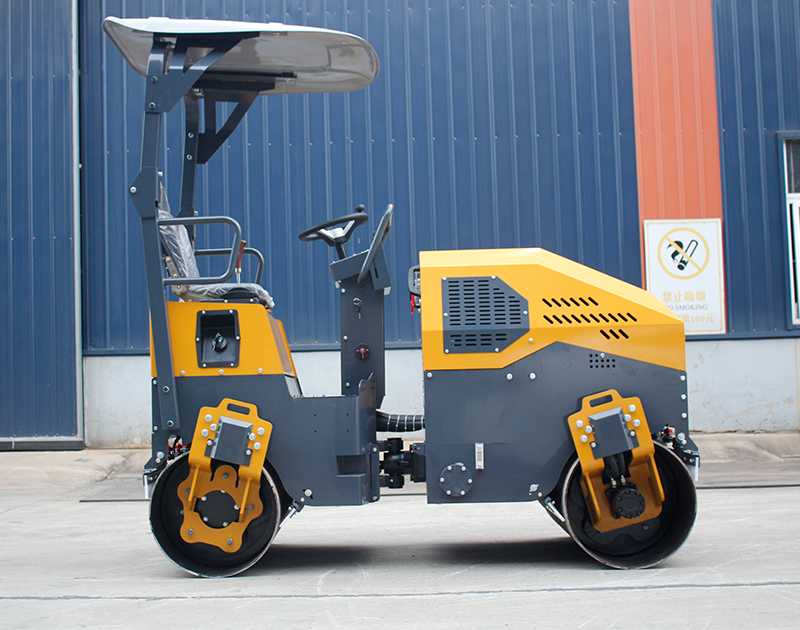
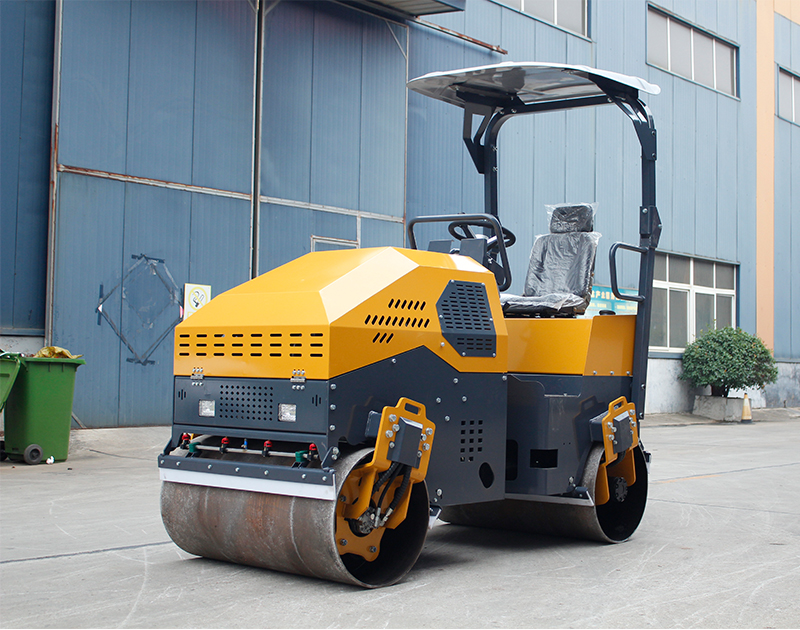
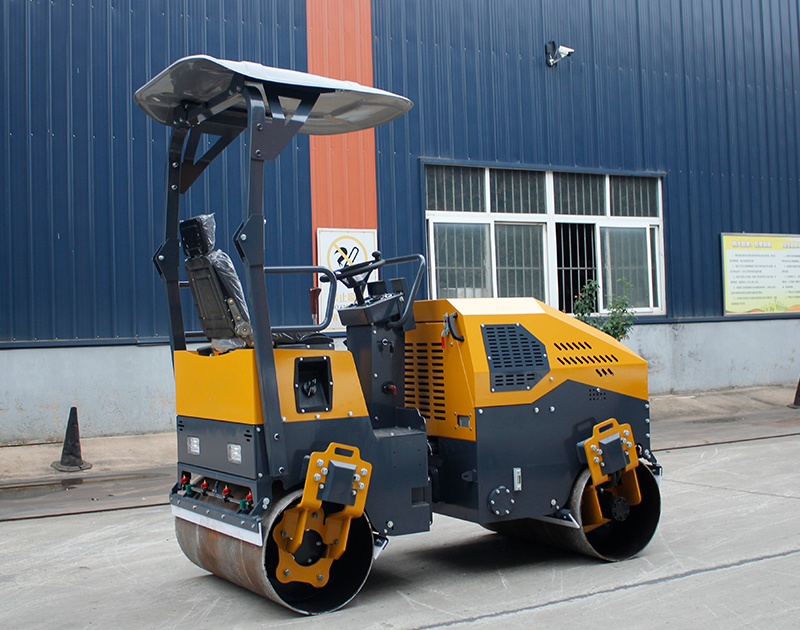
Guide to Stable Operation of Road Rollers in Special Environments (High Temperature, High Humidity, Steep Slopes, etc.)
2025-05-09Road rollers require targeted adjustments in operation and maintenance strategies when working in special environments such as high temperatures, high humidity, and steep slopes to ensure safety and compaction quality. Below are specific solutions:
I. High-Temperature Environments (>40°C)
Issues: Engine overheating, asphalt sticking to drums, hydraulic oil overheating, operator heatstroke.
Solutions:
Equipment Adjustments
Asphalt Work: Spray emulsifier or water (minimal amount) to prevent sticking.
Hydraulic System: Use high-temperature hydraulic oil (e.g., ISO VG 46) and install an additional oil cooler.
Cooling System: Clean radiators daily to prevent dust clogging; use high-boiling-point coolant (e.g., ethylene glycol type).
Work Optimization
Timing: Avoid peak heat—operate during early morning or evening (asphalt compaction should be completed while temperature is above 120°C).
Cooling Breaks: Pause every 2 hours for a 10-minute cooldown.
Operator Protection
Equip cabins with AC or ventilation.
Provide heatstroke prevention supplies (electrolyte drinks, cooling agents).
II. High-Humidity/Rainy Environments
Issues: Excessive soil moisture, slipping, electrical short circuits, metal corrosion.
Solutions:
Equipment Protection
Electrical System: Wrap wiring connectors with waterproof tape; check moisture-sensitive sensors (e.g., compaction meters) daily.
Anti-Corrosion: Apply rust-proof grease to exposed metal parts (e.g., pivot points, bolts); cover with tarps when parked.
Compaction Strategy
Asphalt Work: Stop work immediately if rain starts; remove and re-lay uncompacted asphalt layers.
Soil Work: Mix lime into high-moisture clay or allow drying before compaction; use padfoot or sheepsfoot rollers to break up clumps.
Anti-Slip Measures: Reduce tire pressure (for better traction) or add chains to steel drums (in muddy conditions).
III. Steep Slope Environments (>20% Gradient)
Issues: Rolling backward, tipping, brake failure, material slippage.
Solutions:
Equipment Selection
Prefer all-wheel-drive rollers (e.g., dual-drum full-hydrostatic models).
Weight Adjustment: Use heavy rollers uphill (for traction) and light rollers downhill.
Operational Rules
Uphill: Start compaction from the base; engage vibration only uphill to prevent material slippage.
Downhill: Disable vibration, use low gear + intermittent braking; never coast in neutral.
Safety Measures: Place crash barriers (e.g., tire walls) at slopes; switch to walk-behind rollers or excavator-mounted compactors if gradient exceeds 30%.
IV. Other Special Environments
| Environment | Challenges | Solutions |
|---|---|---|
| High Altitude | Engine power loss | Use turbocharged models; increase fuel injection by 10%. |
| Desert | Sand ingress into bearings | Clean bearing seals daily; use dust-resistant grease. |
| Extreme Cold | Hard starting, oil freezing | Install preheaters; switch to low-temperature hydraulic oil (HV series). |
Universal Stability Tips
Counterweight Adjustment: Fill ballast tanks with water uphill to prevent front-end lift.
Smart Aids: Install slope alarms (auto-alert if exceeding safe angles).
Emergency Prep: Carry anti-slip mats, tow ropes, and fire extinguishers.
Operational Mnemonic:
"High heat? Cool and lubricate!
Wet ground? Dry and circulate!
Steep slopes? Steady and straight!
Special sites need special trait!"
With these adjustments, road rollers can maintain efficiency and stability in extreme conditions while minimizing failure risks. Always conduct pre-work environmental risk assessments and prepare contingency plans.