
 Chinese
- HOME >> NEWS >> Company news
NEWS
Latest Product
Contact Us
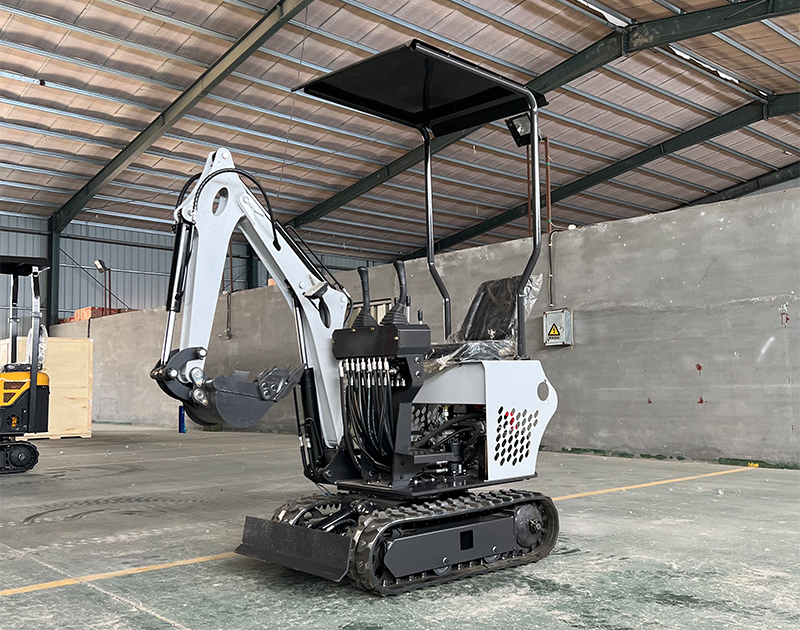
Safety Regulations That Must Be Followed in Excavator Operations
2025-05-09Safety regulations in excavator operations are critical, directly impacting the safety of operators, nearby personnel, and equipment. Below are the core safety protocols that must be strictly adhered to:
I. Pre-Operation Safety Checks
Equipment Inspection
Check for leaks or insufficient levels of fuel, hydraulic oil, and coolant.
Inspect tracks/tires, buckets, and hydraulic hoses for damage or looseness.
Test lights, horn, dashboard functions, and ensure emergency stop features work.
Site Assessment
Clear obstacles (e.g., power lines, pipes, underground utilities) and mark hazard zones.
Verify ground load-bearing capacity (use steel plates on soft terrain).
Assess weather conditions (suspend work during storms or high winds).
II. Operational Safety Protocols
Personnel Safety
No riders: Never allow people on buckets, tracks, or other moving parts.
Safe distance: Maintain a 5-meter exclusion zone around the excavator’s swing radius; watch for blind spots.
Signaling: Establish clear hand/radio signals with ground crews; assign a dedicated signaler if needed.
Standard Operating Practices
Slope operation: Keep buckets 20–30 cm off the ground when moving uphill/downhill; use low speed.
Side slopes: Do not exceed manufacturer limits (typically ≤15°).
Avoid misuse: Never use buckets to hammer, pry, or lift loads like a crane.
Smooth movements: Prevent abrupt turns/stops to avoid tipping or hydraulic shocks.
Hazard-Specific Rules
Near power lines: Maintain safe clearance (e.g., ≥3 meters for 10kV lines); de-energize if necessary.
Confined spaces: Monitor CO levels in poorly ventilated areas (e.g., tunnels).
III. Shutdown & Maintenance Safety
Proper Shutdown
Park on level ground, lower the bucket, and remove the key after turning off the engine.
Use wheel chocks on slopes to prevent rolling.
Maintenance Precautions
Lock hydraulic safety levers and post warning signs during repairs.
Depressurize hydraulic systems before servicing to avoid high-pressure oil injuries.
IV. Operator Qualifications & PPE
Certification: Operators must hold valid licenses (e.g., China’s "Special Equipment Operation Certificate").
PPE: Wear hard hats, reflective vests, anti-slip boots, and high-visibility clothing for night work.
Prohibited: No alcohol use or fatigue-driven operations (max 8-hour continuous shifts).
V. Emergency Response
Critical incidents: If tipping or hydraulic failure occurs, lower the bucket smoothly, shut off the engine, and evacuate.
Reporting: Immediately cut power and report collisions, electrocutions, or other accidents.
Key Reminders
Blind spots: Equip excavators with cameras/radar, but operators must stay vigilant.
Attachments: Verify hydraulic compatibility and bolt security for breakers or other tools.
Adhering to these rules significantly reduces accident risks. Regular safety training and compliance with the manufacturer’s Operator’s Manual are strongly advised.