
 Chinese
- HOME >> NEWS >> Company news
NEWS
Latest Product
Contact Us
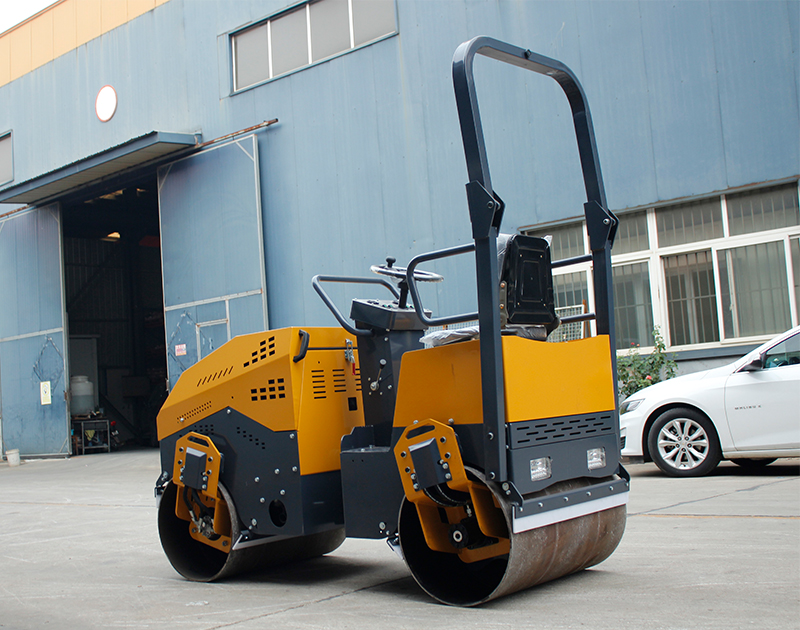
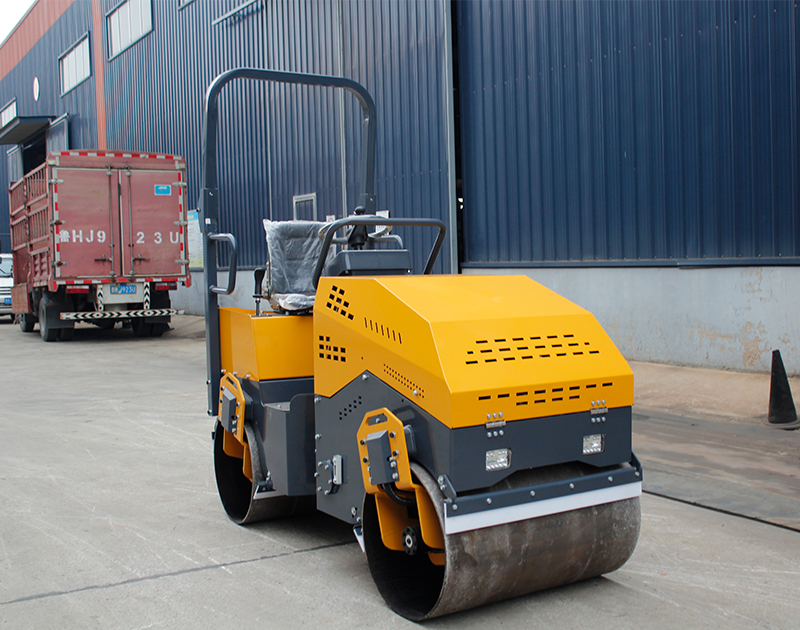
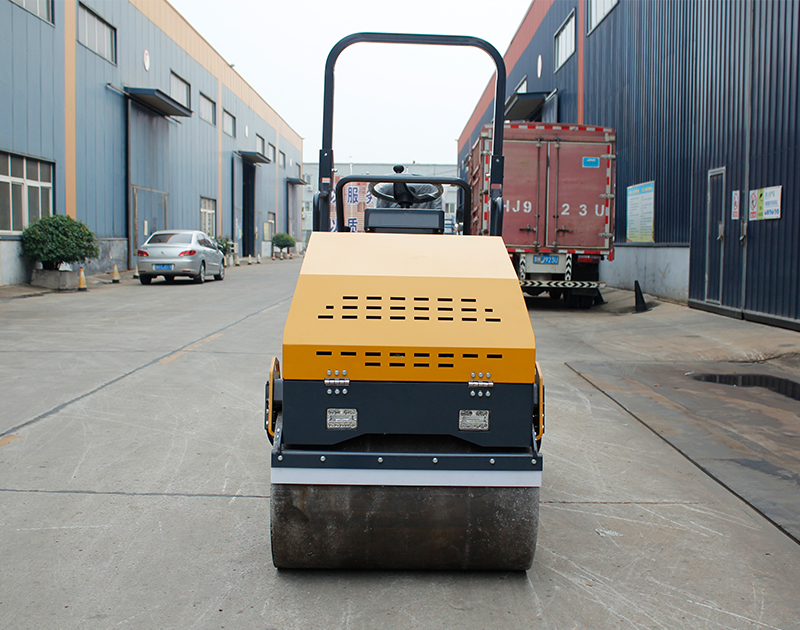
What is the maintenance cycle and key points of the road roller?
2025-05-09Regular maintenance is essential for extending the service life of road rollers and ensuring construction efficiency. Below is a maintenance schedule categorized by time/operating hours, along with core operational guidelines.
I. Daily Maintenance (Every 8-10 Operating Hours / Daily)
Key Focus: Preventive checks and minor fault elimination
Cleaning
Remove adhered materials (asphalt, mud) from steel wheels/tires.
Check engine compartment for dust accumulation to prevent overheating.
Lubrication
Apply grease to pivot points and bearings (e.g., steering bearings, vibration drum bearings).
Fluid Level Checks
Verify engine oil, hydraulic oil, and coolant levels are within standard ranges.
Fastener Inspection
Check for loose bolts and nuts (especially vibration wheel bolts).
Safety Device Testing
Ensure lights, horn, and braking system are functioning properly.
II. Weekly / 50-Hour Maintenance
Key Focus: In-depth system inspection
Transmission System
Check gearbox oil level and inspect gear oil for metal particles (first oil change at 500 hours).
Vibration System
Test vibration frequency stability and listen for abnormal noises from eccentric blocks.
Tires/Steel Wheels
Ensure uniform tire pressure (standard for pneumatic tire rollers: 500–700 kPa).
Inspect steel wheel welds for cracks.
Filters
Clean air filter (blow out dust); replace if heavily soiled.
III. Monthly / 250-Hour Maintenance
Key Focus: Critical component servicing
Oil and Filter Replacement
Engine oil (first change at 250 hours, then every 500 hours).
Replace oil and fuel filters simultaneously.
Hydraulic System
Check hydraulic oil cleanliness (ISO 18/15 or lower); replace if necessary.
Inspect hydraulic lines for leaks.
Electrical System
Check battery terminals for corrosion and wiring for wear.
IV. Quarterly / 500-Hour Maintenance
Key Focus: Core component overhaul
Vibration Drum Maintenance
Replace drum lubricant (recommended: GL-5 85W-90).
Check bearing wear (replace if axial clearance exceeds 0.5 mm).
Braking System
Replace brake pads if thickness is <5 mm; adjust brake pedal free travel.
Cooling System
Clean radiator to prevent clogging and engine overheating.
V. Annual / 2,000-Hour Maintenance
Key Focus: Comprehensive overhaul
Engine
Check cylinder compression and fuel injectors; replace piston rings if needed.
Hydraulic System
Replace all hydraulic oil and clean the tank.
Structural Components
Inspect frame welds and pivot points for fatigue cracks.
Critical Maintenance Notes
Grease Selection
Use lithium-based grease (e.g., molybdenum disulfide grease) for high-temperature environments.
Hydraulic Oil Replacement
Never mix different brands (may cause sedimentation).
Vibration Drum Bearings
Bearing lifespan ≈3,000 hours; stop immediately if abnormal heating occurs.
Long-Term Storage
Start the engine monthly to prevent seal drying.
Common Failures & Preventive Measures
| Symptom | Possible Cause | Solution |
|---|---|---|
| Weak vibration | Worn eccentric blocks/low hydraulic pressure | Replace blocks/check hydraulic pump |
| Wheel bouncing | Damaged bearings/wheel deformation | Replace bearings/realign wheel |
| High hydraulic temp | Clogged filter/degraded oil | Replace filter and oil |
Maintenance Mnemonic:
"Clean daily, inspect weekly, change oil monthly,
Overhaul quarterly, major repair yearly.
Lubricate and tighten without neglect,
Safety and efficiency stay perfect."
Following standardized maintenance can extend roller life by 30%+ and reduce breakdowns by 50%. Maintain a "Maintenance Log" to track all servicing activities.