

 Chinese
- HOME >> NEWS >> Industry news
NEWS
Latest Product
Contact Us
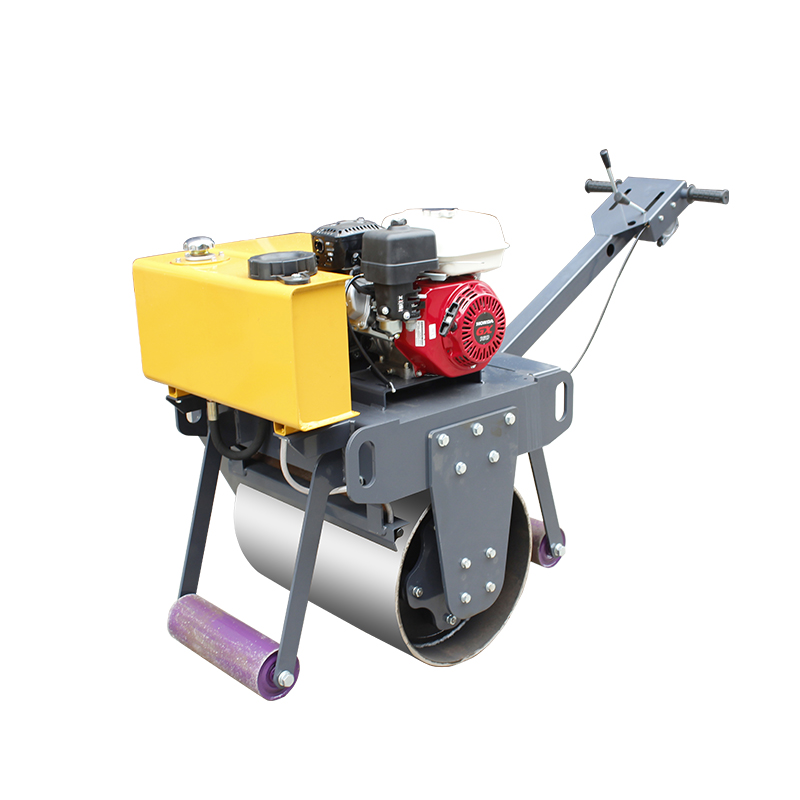
How to Properly Change the Engine Oil and Hydraulic Oil in a Road Roller?
2025-07-18Changing the engine oil and hydraulic oil is a crucial part of routine maintenance for road rollers, directly impacting equipment lifespan and operational efficiency. Below are detailed steps and precautions:
1. Changing Engine Oil (Lubricating Oil)
Preparation
Tools & Materials:
New engine oil (refer to the equipment manual for specifications)
Oil filter (OEM or compatible model)
Oil drain pan, funnel, wrench, gloves, and rags
Safety Precautions:
Shut down and allow the engine to cool (hot oil drains more completely, but avoid burns).
Park the roller on level ground to prevent oil leakage.
Step-by-Step Procedure
Draining Old Oil:
Locate the oil pan drain plug (usually at the engine bottom) and place a drain pan underneath.
Remove the drain plug and fully drain the old oil (tilting the machine or briefly starting the engine for 3 seconds can help, but avoid prolonged operation).
Replacing the Oil Filter:
Use an oil filter wrench to remove the old filter and clean the mounting surface.
Apply a thin layer of new oil to the new filter’s gasket, hand-tighten, then secure an additional ½ turn with a wrench (avoid over-tightening to prevent leaks).
Refilling New Oil:
Pour fresh oil through the fill port (refer to the manual for volume, e.g., 6–8 liters).
Start the engine and let it idle for 2 minutes, ensuring the oil pressure warning light turns off.
Shut down, wait 5 minutes, then check the oil level with the dipstick (should be between "MIN" and "MAX").
Key Notes:
Oil Type: Must meet manufacturer specifications (e.g., CI-4 or CH-4 for diesel engines).
Replacement Interval: Typically every 250–500 hours or 6 months (shorter intervals for harsh conditions).
2. Changing Hydraulic Oil
Preparation
Tools & Materials:
New hydraulic oil
Hydraulic oil filter, clean oil bucket, and oil pump
Safety Precautions:
Ensure the hydraulic system is fully depressurized (operate control levers to release pressure).
Prevent contaminants from entering the system.
Step-by-Step Procedure
Draining Old Hydraulic Oil:
Locate the hydraulic tank drain valve (or bottom bolt) and position a bucket underneath.
Open the tank cap to facilitate drainage; tilt the roller if necessary to ensure complete removal.
Replacing Hydraulic Filters:
Replace the suction and return filters inside the hydraulic tank (ensure seals are properly seated).
Cleaning the Tank (Optional):
If oil is heavily contaminated, wipe the tank interior with a lint-free cloth (never use water or gasoline).
Refilling New Hydraulic Oil:
Fill with new oil to the midpoint of the oil gauge (overfilling can cause foaming).
Start the engine and operate the hydraulic system at low speed (e.g., raise/lower the drum) to purge air.
Recheck the oil level, top up if needed, and confirm no leaks.
Key Notes:
Oil Cleanliness: Must meet ISO 18/16 or higher; let new oil settle before use.
Replacement Interval: Typically every 2,000 hours or 2 years (replace sooner if oil is dark or emulsified).
3. General Precautions
Eco-Disposal: Used oil and filters must be handled by certified recyclers (never dump indiscriminately).
Maintenance Log: Record replacement dates and oil specifications.
Troubleshooting: If abnormal oil pressure or noise occurs after replacement, stop immediately and inspect for leaks or air pockets.
Conclusion
Proper oil changes significantly extend a roller’s service life. Key takeaways:
Engine Oil: Focus on filter replacement and level checks.
Hydraulic Oil: Prioritize system cleanliness and air removal.
Follow Intervals: Adhere to manual guidelines or adjust based on working conditions.
By following these steps, you can ensure optimal performance and longevity of your road roller’s engine and hydraulic systems.