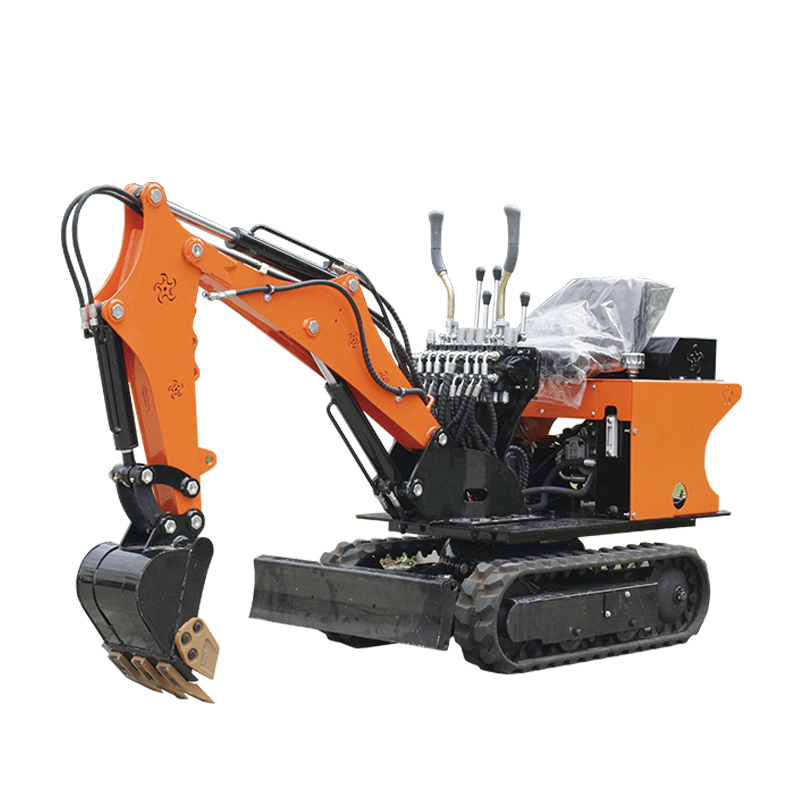
Excessively high engine water temperature in excavators is a common fault, usually related to the cooling system, engine load, environmental factors, etc. If not handled in time, it may lead to serious damage such as engine cylinder scuffing and cylinder explosion. The specific reasons can be divided into the following categories:
The cooling system is responsible for dissipating excess heat from the engine, and abnormalities in its components are the main cause of high water temperature:
Insufficient or deteriorated coolant
If the coolant (antifreeze) level is below the minimum scale line, the heat dissipation area will be insufficient, and heat cannot be effectively carried away. Common reasons include: water leakage in the cooling system (such as cracks in the water tank, loose water pipe joints, aging water pump seals), and long-term failure to replenish coolant.
If the coolant is not replaced for a long time (more than 2 years or 40,000 kilometers), its heat dissipation efficiency will decrease due to oxidative deterioration and failure of additives, and it may even produce scale to block the water channels, affecting circulation.
Clogged or damaged radiator (water tank)
Blockage of the radiator surface by dust, catkins, insect corpses, etc., or blockage of internal water channels by scale and rust, will reduce the heat dissipation area and prevent heat from being dissipated (especially in dusty and catkin-rich environments).
Deformation or corrosion perforation of the radiator core due to collision will cause coolant leakage or insufficient circulation, directly causing the water temperature to soar.
Fan system failure
Mechanical fan (driven by a belt): Loose, slipping, or broken belts result in insufficient fan speed; deformed or broken fan blades reduce exhaust efficiency.
Hydraulic fan (driven by a hydraulic motor): Blockage of hydraulic pipelines, motor failure, or malfunction of the control solenoid valve causes abnormal fan speed (failure to automatically adjust according to water temperature).
Water pump failure
The water pump is the power source for coolant circulation. If the impeller is worn, the bearing is stuck, or the water pump shaft seal leaks, the coolant circulation speed will slow down or even stop, preventing heat from being transferred to the radiator and causing the water temperature to rise rapidly.
Thermostat failure
The thermostat controls the coolant circulation path (small cycle at low temperature, large cycle at high temperature). If the thermostat is stuck in the "closed" state, the coolant cannot enter the radiator for large circulation, and heat accumulates inside the engine, causing the water temperature to rise sharply (usually overheating soon after cold start).
Long-term overloading of the engine or insufficient combustion will generate excessive heat, exceeding the heat dissipation capacity of the cooling system:
Excessive operating load
Long-term heavy-load operations (such as excavating hard rock, climbing slopes, pushing soil) cause the engine speed to remain in a low-speed, high-load state ("engine choking"), resulting in insufficient fuel combustion and excess heat; or frequent acceleration and deceleration, leading to a sudden increase in instantaneous heat generation.
Fuel system failure
Clogged fuel injectors, insufficient injection pressure, or incorrect injection timing will cause poor fuel atomization and reduced combustion efficiency. Unburned fuel converts into extra heat, increasing the engine temperature (often accompanied by black smoke and reduced power).
Intake system blockage
Severe blockage of the air filter (such as excessive dust inhalation) leads to insufficient air intake of the engine, an overly rich fuel-air mixture, incomplete combustion, and excess heat (which also exacerbates carbon deposition and further affects heat dissipation).
High ambient temperature or poor ventilation
In high-temperature summer environments (temperatures exceeding 35℃) or when working in enclosed spaces (such as factories, tunnels), the air temperature around the radiator is high, significantly reducing heat dissipation efficiency.
Tightly closed engine hoods or side covers block the air circulation inhale by the cooling fan, forming a "heat island effect" and causing the water temperature to rise.
Worn or stuck mechanical components
Excessive wear of moving parts such as pistons and cylinder liners, valves and valve seats leads to excessive fitting gaps. High-temperature gas in the combustion chamber escapes into the crankcase, increasing the overall engine temperature (accompanied by increased oil temperature and reduced power).
A damaged cylinder head gasket allows communication between the combustion chamber and water channels. High-temperature gas enters the cooling system, causing the coolant to boil and the water temperature to rise sharply (often accompanied by bubbles in the coolant and oil emulsification).
Water temperature sensor or instrument failure
Malfunctioning sensors (such as false high-temperature alarms) or abnormal instrument displays may cause "false high temperature" (actual water temperature is normal, but the instrument shows high). It is necessary to assist judgment by touching the radiator and feeling the engine temperature.
Insufficient or deteriorated engine oil
Engine oil not only lubricates but also assists in heat dissipation. Insufficient oil or abnormal viscosity (such as too low viscosity at high temperatures) leads to poor lubrication, increased frictional heat generation, and indirectly causes the engine temperature to rise.
The core logic of excessive engine water temperature is "heat generation > heat dissipation", with cooling system failures (such as insufficient coolant, clogged radiators, water pump failure) and engine overloading combustion being the main causes. When high water temperature is detected, stop the machine immediately for inspection (to avoid coolant boiling due to sudden temperature rise after shutdown). Prioritize checking the coolant level, radiator cleanliness, and the working status of the fan and water pump, then gradually eliminate issues in the fuel and intake systems to prevent the fault from expanding.


 Chinese