

 Chinese
- HOME >> NEWS >> Company news
NEWS
Latest Product
Contact Us
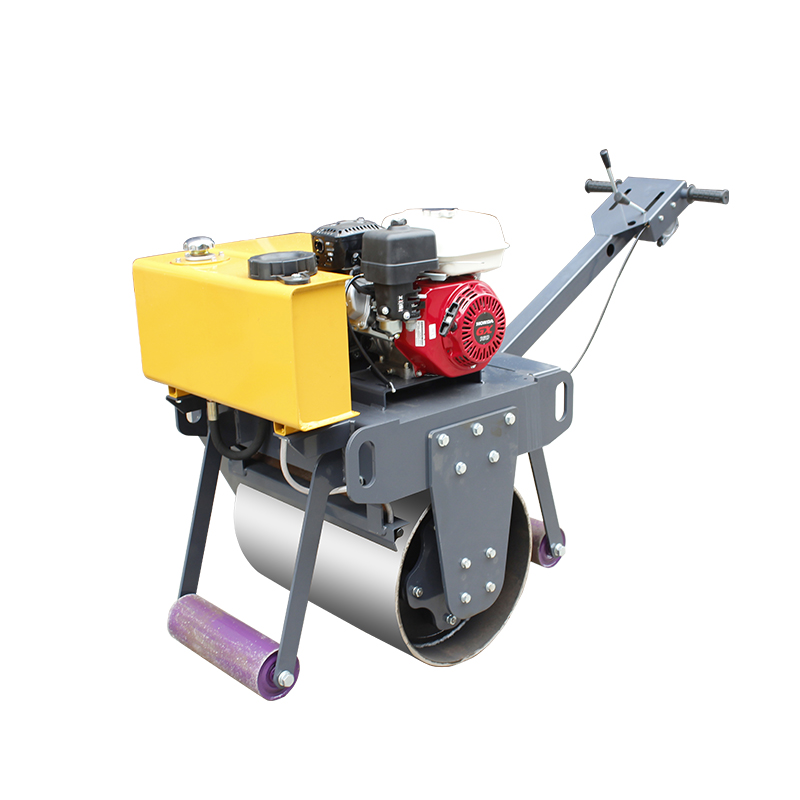
How to Determine the Compaction Passes of a Roller?
2025-11-06There is no fixed standard for the number of compaction passes of a roller. The core principle is to comprehensively determine it based on three major factors: material type, compaction degree requirement, and equipment tonnage. Ultimately, on-site tests are required to verify and ensure that the designed compaction density index is met.
1. Core Influencing Factors: Determining the Basic Range of Passes
The basic range of compaction passes varies significantly under different conditions, and the following key conditions must first be clarified.
2. On-Site Tests: Determining the Final Accurate Number of Passes
The theoretical range needs to be adjusted based on on-site reality, and common test methods can accurately lock in the number of passes.
3. Dynamic Adjustment: Optimizing Based on On-Site Feedback
During actual operation, flexible adjustments should be made according to the material status and test results to avoid over-compaction or insufficient compaction.