

 Chinese
- HOME >> NEWS >> Company news
NEWS
Latest Product
Contact Us
What are the core differences between electric forklifts and internal combustion forklifts?
2026-01-22The core differences between electric forklifts and internal combustion forklifts are reflected in multiple dimensions such as power source, operating environment, usage cost, and maintenance difficulty. The specific differences are as follows:
Power Source and Working Principle
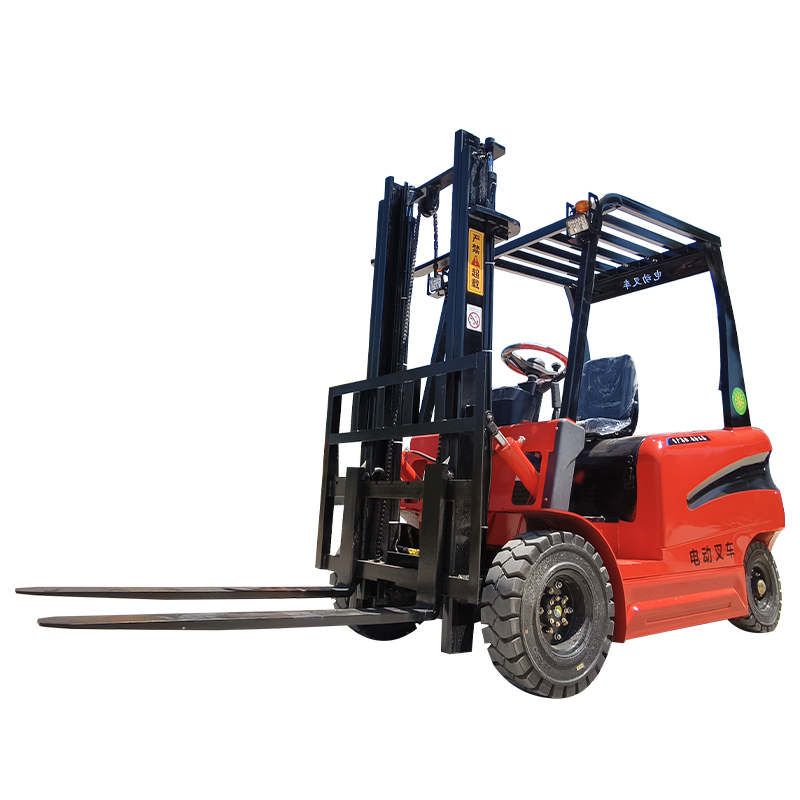
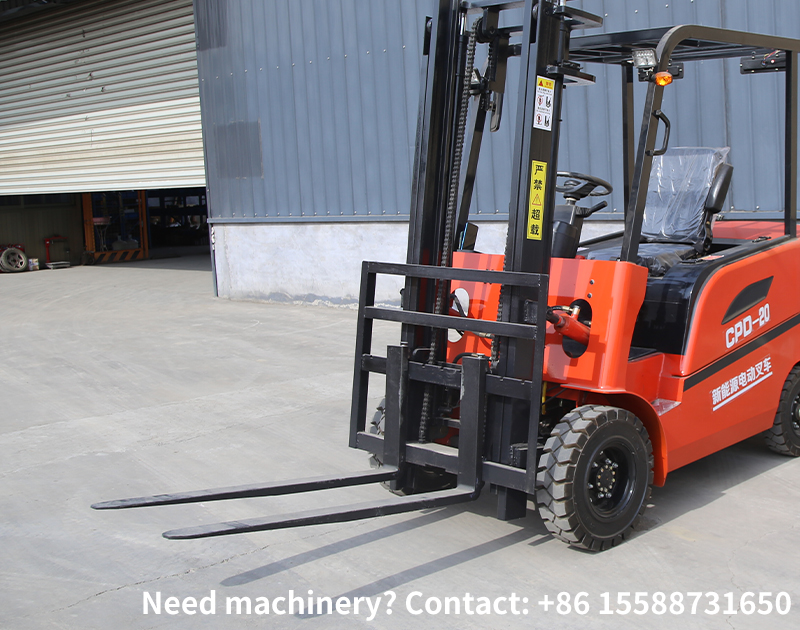
Electric forklifts: Powered by batteries (lead-acid batteries or lithium batteries), they drive the hydraulic system and traveling system through electric motors, with no fuel combustion process throughout operation.
Internal combustion forklifts: They use diesel, gasoline, or liquefied petroleum gas (LPG) as fuel, and rely on the combustion work of the internal combustion engine to convert into mechanical energy, so as to drive the forklift to operate.
Adaptability to Operating Environment
Electric forklifts: They achieve zero exhaust emissions and extremely low noise during operation, making them suitable for indoor enclosed scenarios, such as warehouses, food processing plants, pharmaceutical workshops, e-commerce sorting centers and other places with high requirements for environmental cleanliness and noise levels. Some models with high waterproof ratings can operate outdoors in dry conditions for a short period of time.
Internal combustion forklifts: They produce exhaust gas and generate relatively high noise during operation, making them more suitable for open outdoor sites, such as ports, building material yards, open-air freight yards and other scenarios with less restrictions on emissions and noise. Their climbing and heavy-load capacity are more suitable for complex outdoor working conditions.
Usage and Operating Costs
Electric forklifts: The procurement cost is relatively high, but the subsequent usage cost is low, as electricity fees are far lower than fuel costs. In addition, their structure is relatively simple, and daily maintenance only needs to focus on the battery, motor and hydraulic system, resulting in low maintenance expenses.
Internal combustion forklifts: The procurement cost is relatively low, but the subsequent expenses such as fuel costs, oil filter replacement and engine maintenance are high, leading to a higher long-term operating cost than that of electric forklifts.
Difficulty in Operation and Maintenance
Electric forklifts: They are easy to operate, with smooth start-up and speed regulation, which are friendly to new operators. Maintenance does not require dealing with engine oil circuits, exhaust pipes and other components, but only needs regular inspection of battery power, motor status and tire wear.
Internal combustion forklifts: Operation requires controlling the accelerator and clutch (for some models), which has higher requirements for the proficiency of operators. Maintenance involves the engine, fuel system, exhaust system, etc., with more complex procedures that require professional maintenance personnel.
Endurance and Refueling Method
Electric forklifts: Endurance depends on battery capacity. Lead-acid batteries can last about 6–8 hours, while lithium batteries can last 8–12 hours. Refueling requires charging: lead-acid batteries need 8–10 hours for charging and regular water replenishment, while lithium batteries support fast charging and can be charged to 80% in 1–2 hours.
Internal combustion forklifts: Endurance depends on fuel tank capacity. A full tank of fuel allows continuous operation for 8–12 hours. The refueling method is simple—directly refueling is available without waiting for charging.
Load Capacity and Performance Characteristics
Electric forklifts: They perform stably in medium and small load scenarios (usually 0.5–5 tons), and are suitable for frequent short-distance handling. Some heavy-duty electric forklifts can reach a load capacity of more than 10 tons, but the cost will increase significantly.
Internal combustion forklifts: They have stronger heavy-load capacity, with a conventional load range of 2–20 tons. High-load models can meet the heavy-duty operation needs of ports, mines and other places, and their climbing capacity is also better than that of electric forklifts of the same specification.