

 Chinese
- HOME >> NEWS >> Industry news
NEWS
Latest Product
Contact Us
What role does a road roller play in road construction?
2025-04-15The Road Roller: An Indispensable Heavy Equipment in Road Construction
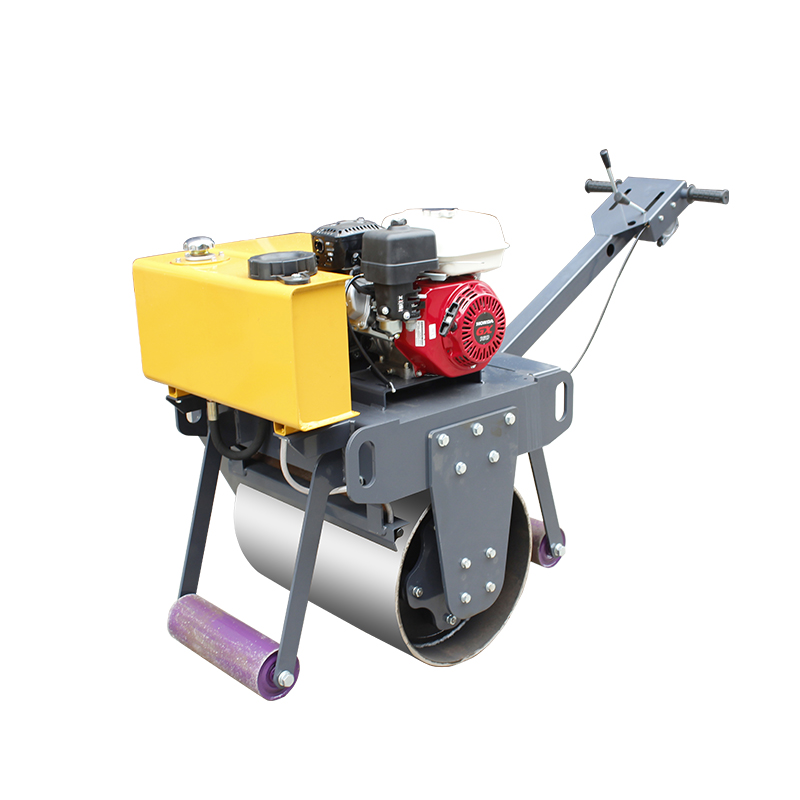
The road roller is a critical heavy-duty machine in road construction, primarily used to enhance the density and stability of roadbeds and pavement through compaction, ensuring durability and safety. Below are its specific functions and importance:
1. Compacting the Roadbed
Improved Load-Bearing Capacity: By repeatedly compacting soil, gravel, and other base materials, it reduces porosity and increases density, preventing future settlement.
Waterproofing: A well-compacted roadbed minimizes water infiltration, avoiding softening or frost-related damage.
2. Compacting Pavement Layers
Asphalt Layer Compaction: After asphalt concrete placement, the roller compacts it in stages (initial, intermediate, and final rolling) to ensure tight bonding of particles, reducing voids and enhancing resistance to rutting and fatigue.
Stabilized Base Treatment: Compacts cement-stabilized gravel or similar materials to form a solid, uniform support layer.
3. Enhancing Road Quality & Longevity
Reduced Defects: Proper compaction prevents cracking, potholes, and surface loosening, lowering maintenance costs.
Smoothness Control: Ensures even compaction to meet design elevation and smoothness standards, improving driving comfort.
4. Adaptability to Construction Needs
Diverse Types:
Static Rollers: Rely on weight for compaction, ideal for cohesive soils.
Vibratory Rollers: Use high-frequency vibration for better compaction of granular materials like gravel or asphalt.
Pneumatic-Tire Rollers: Provide kneading action to minimize material segregation, often used for final asphalt compaction.
Flexible Selection: The roller type and weight can be chosen based on material properties (e.g., thickness, particle size).
5. Efficiency & Cost-Effectiveness
High Productivity: Mechanized compaction covers large areas quickly, shortening project timelines.
Cost Savings: Optimal compaction reduces material waste and rework, lowering long-term construction expenses.
Additional Applications
Slope Compaction: Some rollers can operate on inclines to stabilize embankments or dams.
Cold Recycling: In road rehabilitation, they compact reclaimed materials for eco-friendly construction.
Conclusion
The road roller ensures the structural strength and longevity of roads through scientific compaction techniques. It is essential for quality control from the base to the surface layer, directly impacting road performance, safety, and service life.