

 Chinese
- HOME >> NEWS >> Industry news
NEWS
Latest Product
Contact Us
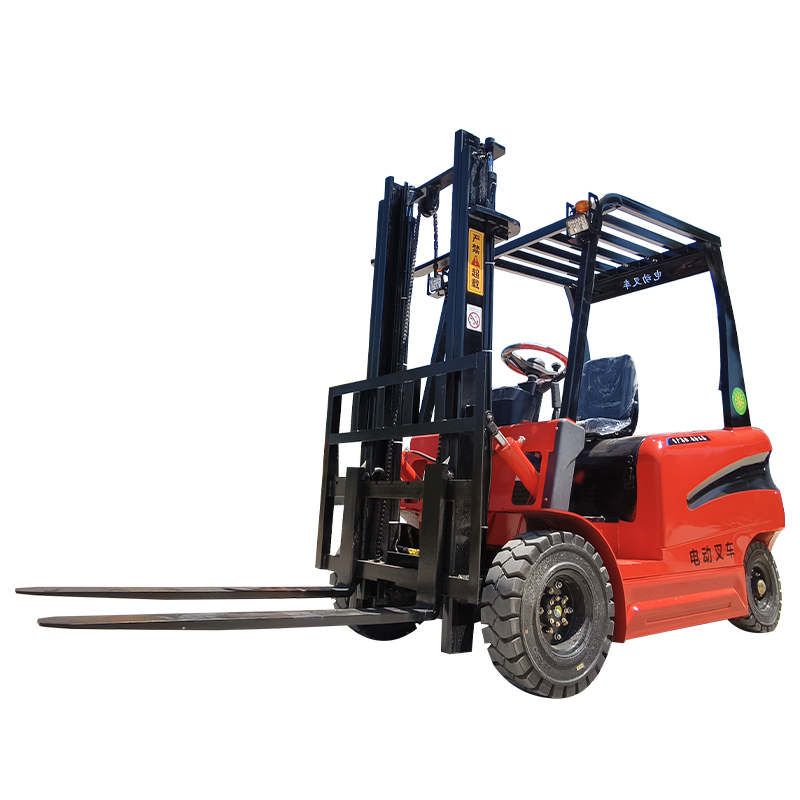
What are the advantages of electric forklifts over fuel forklifts?
2025-04-15Electric forklifts offer significant advantages over internal combustion (IC) models in terms of environmental impact, cost efficiency, and operational versatility, particularly excelling in the following areas:
1. Eco-Friendly & Zero Emissions
No exhaust pollution: Battery-powered operation eliminates CO₂, NOx, and other harmful emissions, making them ideal for indoor spaces (warehouses, workshops) and sensitive industries like food and pharmaceuticals.
Low noise: Motor noise <60 dB, significantly quieter than IC engines (>80 dB), reducing disturbance to workers and surrounding environments.
Regulatory compliance: Aligns with tightening global environmental policies, avoiding operational restrictions.
2. Lower Operating Costs
Energy savings: Electricity costs are 1/3–1/2 of fuel expenses (e.g., 1-hour operation: ~1.5–2.2 for diesel).
Reduced maintenance: No oil, air filter, or spark plug replacements, cutting maintenance costs by 30–50%.
Higher reliability: Fewer breakdowns due to no engine carbon buildup.
3. Superior Performance & Ergonomics
Instant torque: Electric motors deliver immediate peak torque, enabling faster acceleration for high-frequency, short-distance tasks.
Easier handling: Electric steering reduces operator fatigue, especially during 8+ hour shifts.
Smart integration: Compatible with automated navigation, battery monitoring, and other Industry 4.0 upgrades.
4. Broader Application Scenarios
Indoor use: Warehouses, cold storage, electronics workshops—no exhaust buildup risks.
Specialized industries: Food, pharmaceuticals, lithium battery plants—zero contamination.
Night operations: Quiet performance suits 24/7 logistics hubs or nighttime distribution centers.
5. Long-Term Economic Benefits
Extended lifespan: Lithium batteries last 5–8 years (2,000+ cycles), matching the vehicle’s service life; IC engines typically require overhauls every 3–5 years.
Higher resale value: Battery replaceability boosts second-hand value compared to IC models.
Key Takeaway:
Electric forklifts outperform IC models in sustainability, TCO (total cost of ownership), and adaptability to modern logistics demands, driving their rapid adoption across industries.