
 Chinese
- HOME >> NEWS >> Company news
NEWS
Latest Product
Contact Us
Differences Between Single-Drum, Tandem-Drum, and Pneumatic-Tired Rollers
2026-02-22I’ve organized this into a clear, direct comparison you can use for exams or interviews:
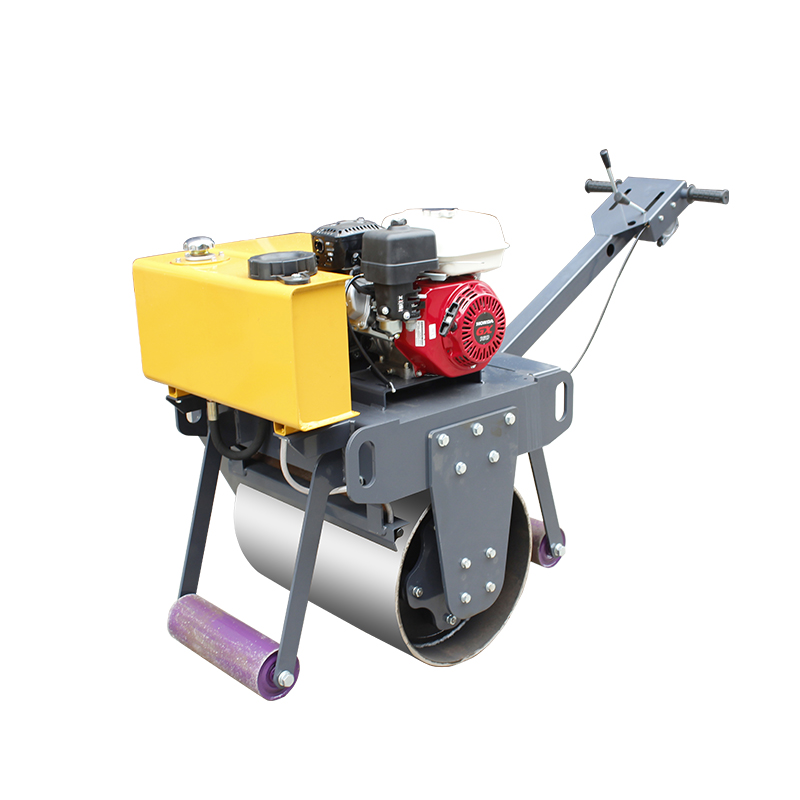
1. Single-Drum Roller
Appearance: One large steel drum at the front, two tires at the rear.
Main use: Compaction of subgrade, soil base, and cement-stabilized base.
Principle: Dead weight + vibration, with deep compaction effect.
Features: Deep compaction, high force, suitable for lower structural layers.
Not suitable for: Asphalt surface courses (easy to crack or push asphalt).
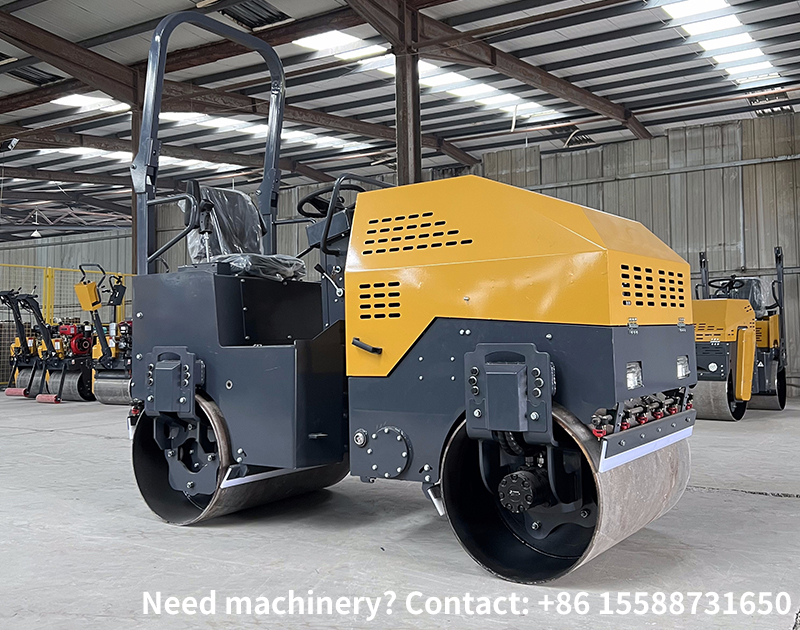
2. Tandem-Drum Roller
Appearance: Two steel drums, front and rear, both capable of vibrating.
Main use: Breakdown rolling and intermediate rolling of asphalt pavements.
Principle: Vibration + static pressure.
Features: High smoothness, suitable for upper pavement layers.
Suitable for: Fine compaction of asphalt and cement-stabilized layers.
3. Pneumatic-Tired Roller
Appearance: Multiple rubber tires (e.g., 5 front, 4 rear).
Main use: Intermediate rolling and finish rolling of asphalt pavements.
Principle: Static pressure + kneading effect.
Features: Good sealing, making the pavement denser and smoother.
Advantage: Does not damage asphalt aggregates, improves pavement water resistance.
One-Sentence Summary
Single-drum: Compacts subgrade and base (deep compaction).
Tandem-drum: Compacts asphalt surface courses (smooth finish).
Pneumatic-tired: Compacts asphalt final surface (dense, glossy finish).