
 Chinese
- HOME >> NEWS >> Company news
NEWS
Latest Product
Contact Us
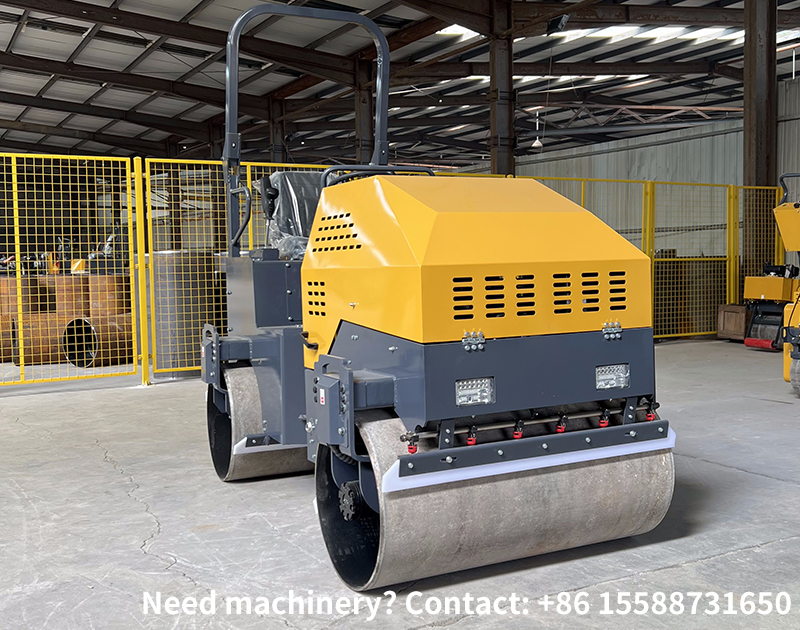
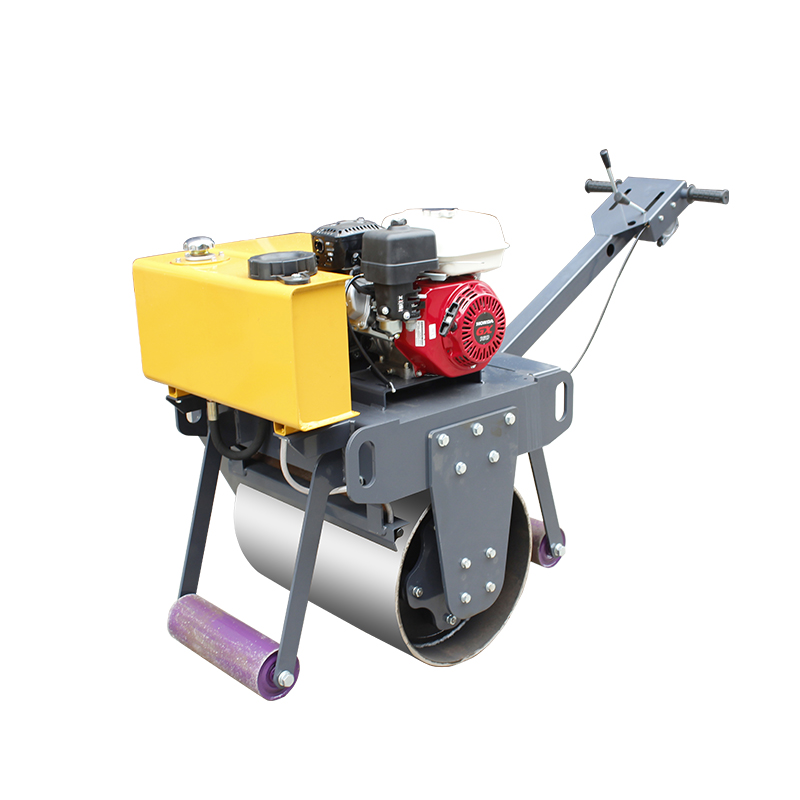
Main Uses and Working Principles of Road Rollers
2026-02-11I. Main Uses
Subgrade CompactionCompact subgrade soil and backfill soil to increase soil density and bearing capacity, preventing later settlement and deformation.
Base Course CompactionCompact semi-rigid base courses such as cement-stabilized macadam and lime-soil mixtures to ensure the strength and evenness of road base courses.
Asphalt Pavement CompactionCooperate with asphalt paving to complete initial compaction, secondary compaction and final compaction, making the asphalt mixture dense, smooth and durable.
Site and Foundation EngineeringCompaction work for parking lots, squares, trench backfilling, building foundations and other projects.
II. Working Principles
Road rollers mainly rely on external force to rearrange particles inside the compacted material and reduce voids, so as to achieve density and stability.
Static RollerProduces static pressure through its own weight, and repeatedly rolls the material with steel drums or tires to expel air and moisture, improving density.
Vibratory Roller (Most Commonly Used)On the basis of static pressure, its steel drum is equipped with an eccentric block mechanism. High-speed rotation generates high-frequency vibration, rearranging material particles under vibration, resulting in deeper compaction depth and stronger effect.
Pneumatic Tyred RollerUses the static pressure and kneading effect of multiple rubber tires to compact asphalt pavements, making the road surface more uniform with good sealing performance and less prone to cracks.