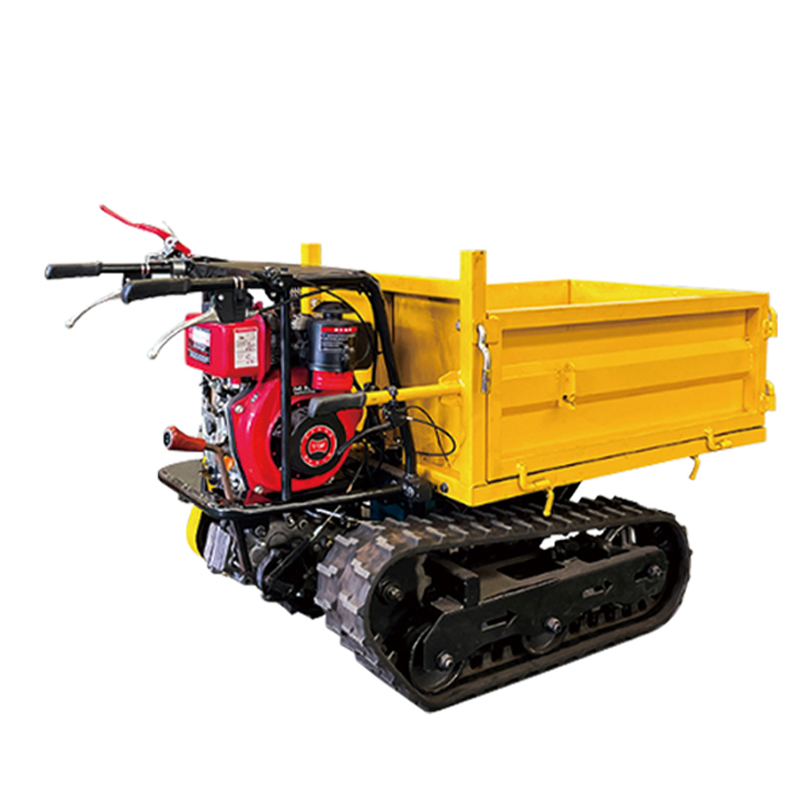
The core differences between tracked transporters and wheeled transporters are mainly reflected in aspects such as running gear, terrain adaptability, traction and stability, driving speed and efficiency, and maintenance costs. The details are as follows:
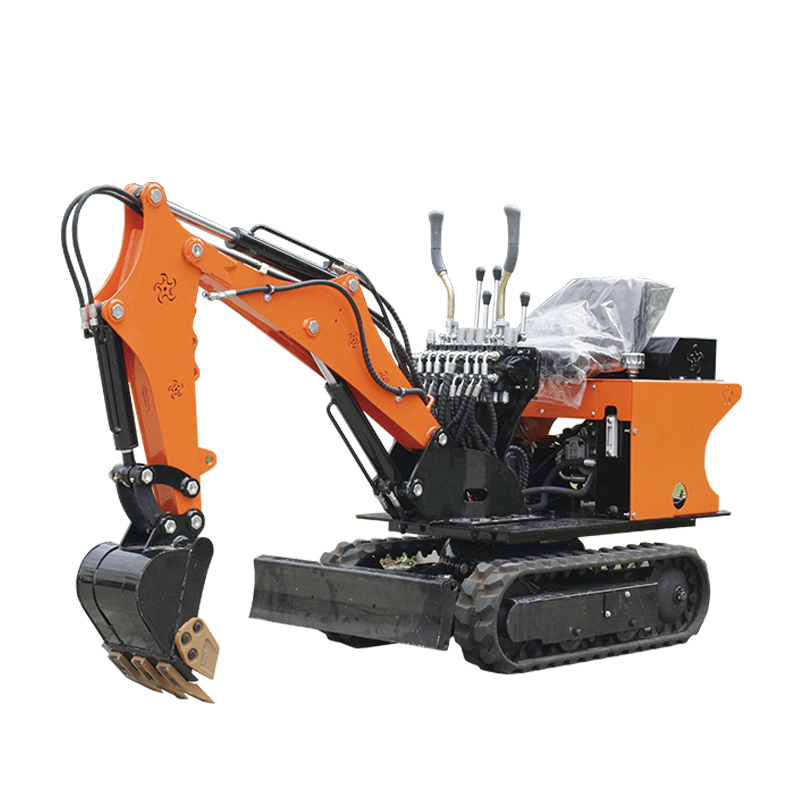
A tracked transporter moves through the contact between its tracks and the ground. The tracks are composed of multiple track plates, track pins, and other components, and the transporter moves forward by the driving wheels driving the tracks to rotate.
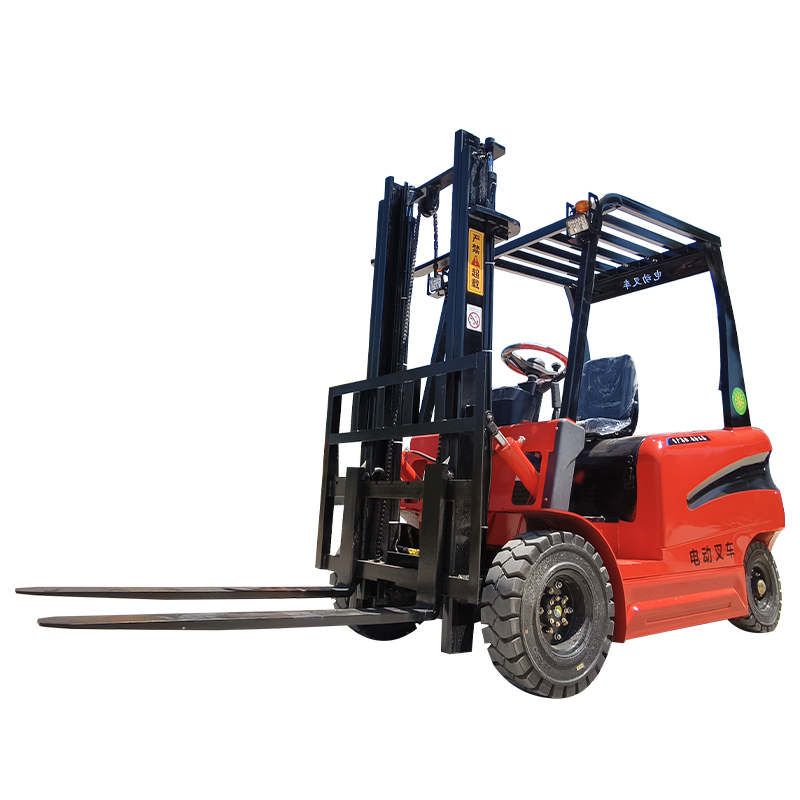
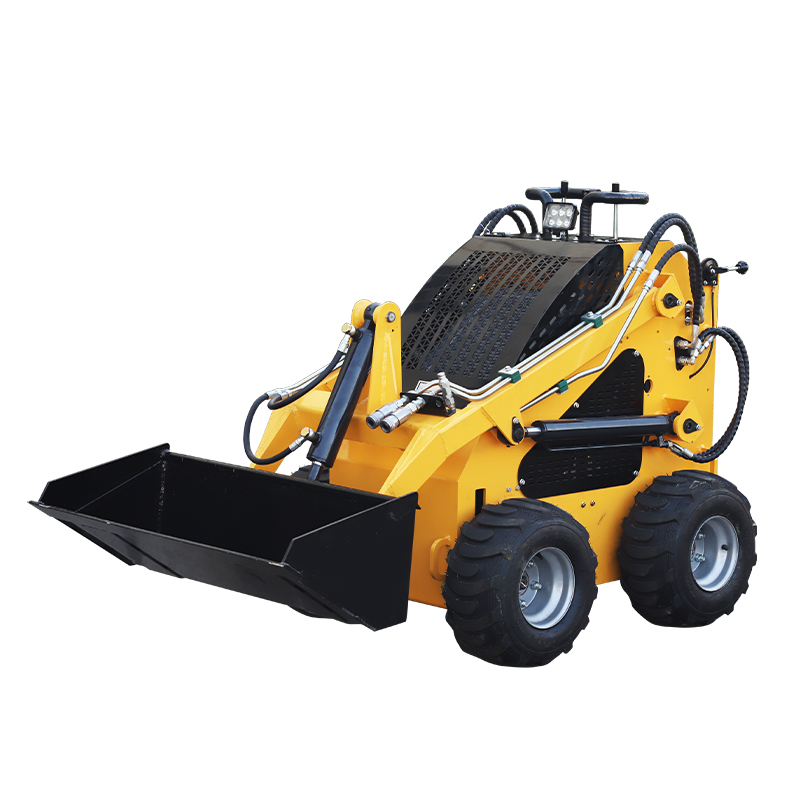
A wheeled transporter moves forward via wheels. The wheels are usually made up of tires, wheel hubs, and other parts, and are driven by the friction between the tires and the ground.
Tracked transporters have a large ground contact area and low ground pressure, so they are not easy to get stuck in soft ground such as swamps, snowfields, and muddy fields. Moreover, the track lugs can provide good grip, and they have strong ability to climb slopes and cross obstacles, making them suitable for complex and harsh terrains.
Wheeled transporters have low driving resistance and high speed when moving on flat and hardened roads. However, they are prone to slipping and getting stuck in complex environments like sand and muddy ground, which limits their passability.
Tracked transporters have high adhesion and large traction. With the same machine weight, their traction can reach 1.4-1.8 times that of wheeled transporters. Additionally, they have a low center of gravity and a large adhesion coefficient, resulting in good stability when driving under heavy loads or on rough roads.
Wheeled transporters have relatively smaller traction and are prone to shaking or even rolling over under complex road conditions.
Wheeled transporters generally have a higher driving speed than tracked transporters. They can achieve efficient transportation on good road conditions such as highways, making them suitable for long-distance transportation tasks.
Although tracked transporters have a similar working gear speed to wheeled transporters, they can maintain a certain operating capacity even on complex terrains. Relying on their traction advantage, they have higher comprehensive operating efficiency in specific harsh environment operation scenarios.
Tracked transporters have a complex track structure, which wears quickly. Their maintenance and repair are more difficult and costly.
The tire replacement and maintenance of wheeled transporters are relatively simple and low-cost. However, under heavy load and long-term operation conditions, tire wear and mechanical loss will also increase the comprehensive cost.



 Chinese