

 Chinese
- HOME >> NEWS >> Industry news
NEWS
Latest Product
Contact Us
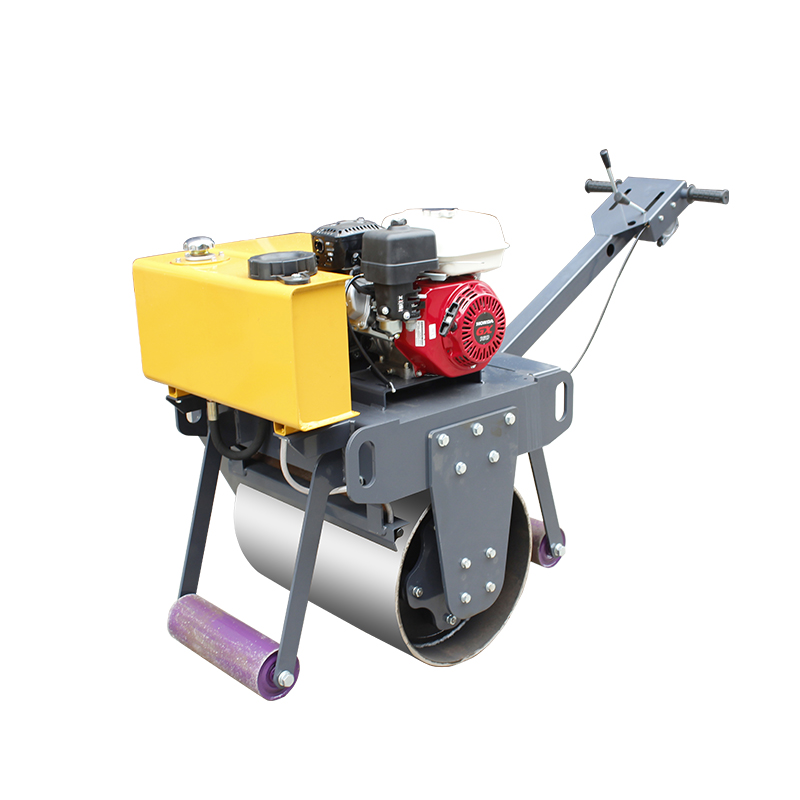
Roller Operation Procedures and Precautions
2025-04-24I. Roller Operation Procedures
1. Pre-Operation Preparation
Equipment Inspection
Check fuel, hydraulic oil, lubricant, and coolant levels; ensure no leaks.
Inspect tire/steel wheel condition (tire pressure, wear, cleanliness of steel wheels).
Verify brake system, steering system, lighting, and warning devices are functional.
Check vibration mechanism (for vibratory rollers) for proper operation.
Environment Assessment
Clear the work area of obstacles (sharp objects like rocks, rebar, etc.).
Mark hazardous zones (e.g., pits, slopes).
Ensure adequate lighting for night operations.
Personal Protective Equipment (PPE)
Operators must wear reflective vests, hard hats, and noise-canceling earplugs (mandatory for vibratory rollers).
2. Startup and Test Run
Sound the horn before starting to ensure no one is nearby.
Allow 3-5 minutes of idle operation; check dashboard for alarms (oil pressure, coolant temperature, etc.).
Test forward/reverse movement, braking, steering, and vibration functions.
3. Compaction Operation Standards
Initial Compaction
Perform 1-2 static passes at ≤2 km/h; avoid sharp turns.
Intermediate Compaction
Activate vibration (select frequency/amplitude based on material) at ≤4 km/h.
Ensure 30cm overlap between adjacent wheel paths to avoid missed spots.
Final Compaction
Deactivate vibration; perform 1-2 static passes to smooth surface and eliminate wheel marks.
Special Conditions
Slope Work: Compact longitudinally (use auxiliary equipment if slope >20%).
Clay Soil: Prevent "spring soil" by aerating or mixing with additives if needed.
4. Shutdown and Storage
Park on level ground, deactivate vibration, and engage the parking brake.
Place wheel chocks when parking on slopes.
For long-term storage, drain fuel, disconnect the battery, and cover with a dust-proof tarp.
II. Safety Precautions
Prohibited Actions
No operation under the influence of alcohol, fatigue, or unauthorized modifications.
Do not mount/dismount while the roller is moving.
Avoid running over hidden hazards (cables, pipelines, etc.).
Hazard Avoidance
Maintain ≥1m distance from slopes to prevent collapses.
Keep >2.5m spacing between multiple machines during joint operations.
Emergency Response
In case of malfunction, shut down immediately and set up warning signs.
Do not touch hydraulic oil leaks directly (high temperature/pressure risk).
Environmental Requirements
Minimize nighttime noise pollution (obtain permits if exceeding 55dB).
Use oil absorbent pads for spills; prevent soil contamination.
III. Maintenance Guidelines
Daily: Clean steel wheels/tires; check fasteners.
Weekly: Lubricate bearings and joints; replace dirty filters.
Monthly: Inspect wear on vibratory drum eccentric blocks.
Appendix: Common Issues & Solutions
Material sticking to wheels: Clean only after shutdown; never scrape during operation.
Abnormal vibrations: Stop immediately and inspect bearings/hydraulic motor.
Strict adherence to these procedures improves compaction efficiency, extends equipment lifespan, and reduces accident risks. Regular training and emergency drills are recommended.