

 Chinese
- HOME >> NEWS >> Industry news
NEWS
Latest Product
Contact Us
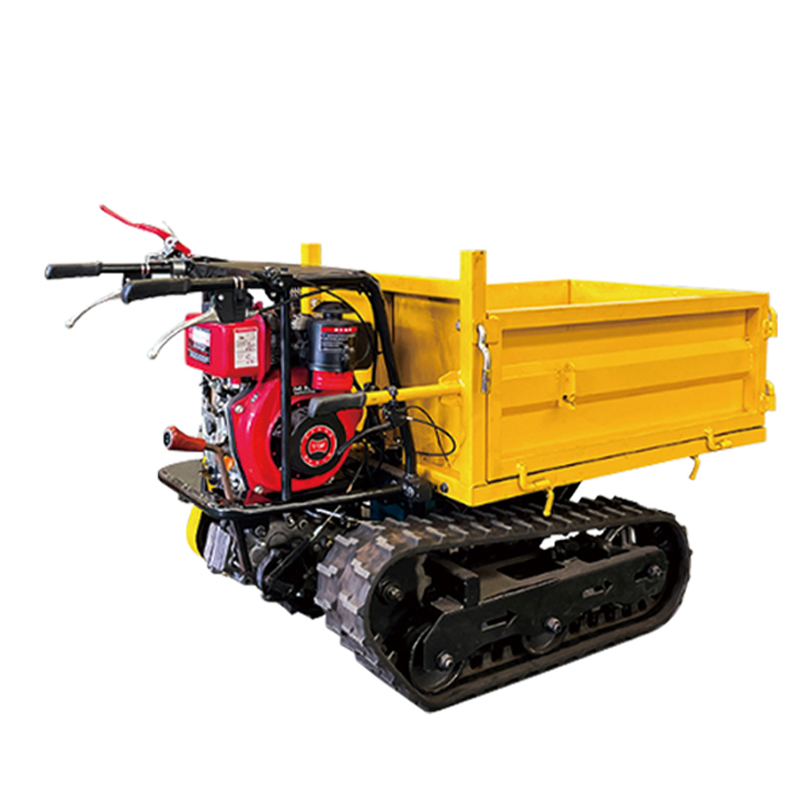
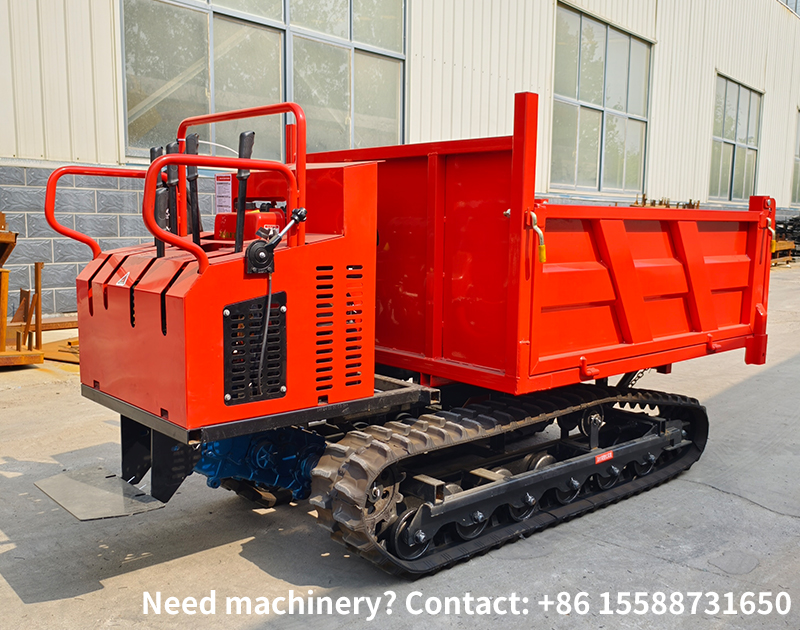
What are the core advantages and applicable scenarios of tracked transporters compared with wheeled transporters?
2026-01-10The core difference between tracked transporters and wheeled transporters lies in the trade-off between terrain adaptability and driving efficiency, which is detailed as follows:
Core Advantages of Tracked Transporters
Exceptional Passability on Soft TerrainThe large ground contact area design of the tracks can significantly reduce the ground pressure, preventing the transporter from getting stuck easily in soft surfaces such as mud, swamps, sand, and paddy fields. This is a core advantage that wheeled transporters cannot match.
Outstanding Obstacle-surmounting and Climbing CapabilityThe continuous ground contact feature of the tracks, combined with a relatively high chassis ground clearance, allows the transporter to easily cross obstacles like trenches, rock piles, and steps. Its maximum climbing angle can reach 30°–45°, delivering far superior passability than wheeled transporters in complex terrains such as rugged mountainous areas and mine ramps.
Strong Ground Adhesion and Stable OperationThe surface contact between tracks and the ground generates greater friction, minimizing the risk of slipping during heavy-load climbing or braking. This makes tracked transporters ideal for heavy-load transportation tasks in complex terrains.
Low Degree of Surface DamageThe pressure dispersion characteristic of surface contact reduces soil compaction and vegetation damage in areas such as farmland, lawns, and woodlands, making it more suitable for scenarios where surface protection is required.
Core Advantages of Wheeled Transporters
High Driving Speed and Efficient TransportationOn hardened roads such as highways and cement pavements, wheeled transporters can reach a speed of 60–100 km/h, far exceeding the maximum speed limit of 20 km/h for tracked transporters. They demonstrate obvious efficiency advantages in medium-and long-distance transportation.
Flexible Operation and Small Turning RadiusSteering via a steering wheel enables greater maneuverability in narrow spaces such as warehouses, factory premises, and urban roads. In contrast, most tracked transporters adopt differential or skid steering, which results in a larger turning radius and increased track wear.
Lower Operation and Maintenance CostsThe procurement and replacement costs of tires are much lower than those of track assemblies, and tires suffer less wear when driving on hardened roads. Tracked transporters have a complex transmission system, leading to higher maintenance frequency and costs for components such as sprockets and track rollers.
Division of Applicable Scenarios
Tracked transporters are more suitable for operations in complex terrains without hardened roads, such as timber transportation in deep mountain forests, muck handling at mine construction sites, agricultural resource delivery in paddy fields and swamps, building material transportation for mountain engineering projects, and material distribution on muddy roads during emergency rescue and disaster relief.
Wheeled transporters are better suited for efficient transportation scenarios on hardened roads, such as short-distance cargo delivery in cities and factory premises, grain and agricultural resource transportation in plain farmlands, medium-and long-distance heavy-load logistics on highway trunk lines, and internal cargo turnover in venues like warehouses and ports.