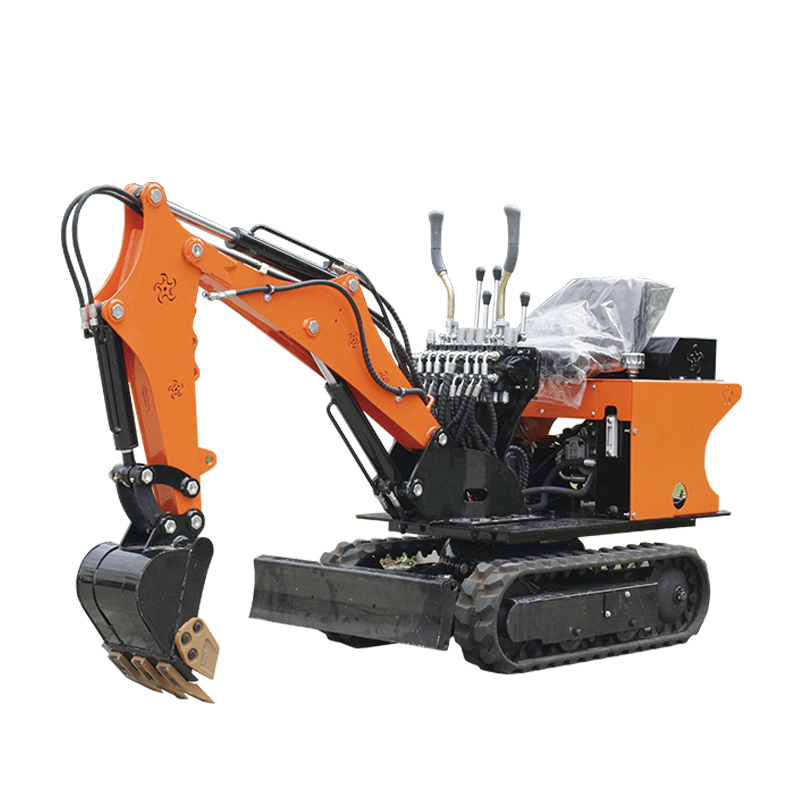
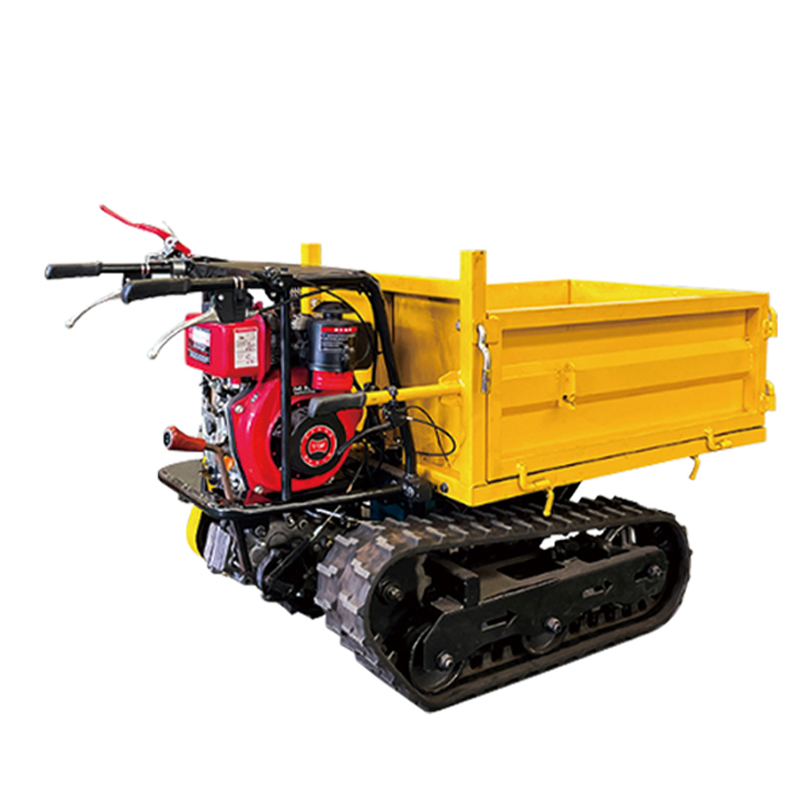
Tracked transport vehicles generally exhibit good stability when driving on snow, with their core advantage stemming from the adaptability of the track design to snowy environments.
The tracks have a large ground contact area, which can distribute the vehicle's weight, reduce pressure on the snow, and lower the risk of sinking.
The anti-slip patterns or protrusions on the surface of the tracks can enhance friction with snow-covered or icy road surfaces, preventing slipping.
The tracked walking structure has a lower center of gravity, and when combined with the wide-track design, it can reduce the probability of rollover and is suitable for driving on snowy slopes.
Snow depth: Deep snow that exceeds the height of the tracks will increase driving resistance and may affect steering and passability.
Ice condition: The friction on pure ice surfaces is extremely low; even tracked vehicles may slip, requiring the use of anti-slip tracks or snow chains.
Vehicle configuration: Models equipped with differential locks and power distribution systems offer better stability than those with standard configurations.



 Chinese