
 Chinese
- HOME >> NEWS >> Company news
NEWS
Latest Product
Contact Us
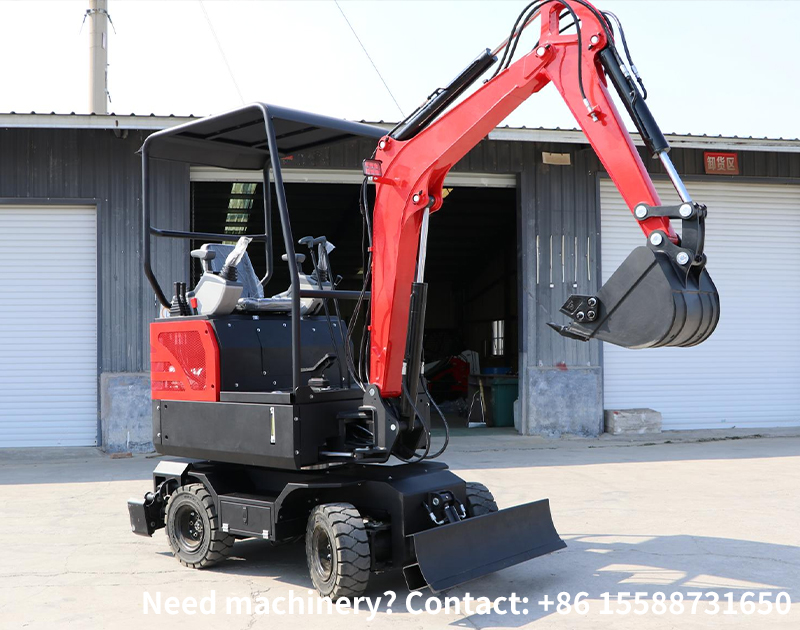
What are the key differences in operation between wheeled excavators and crawler excavators?
2026-02-27Wheeled Excavator vs Crawler Excavator — Key Operational Differences
I. Differences in Travel Operation (Biggest Difference)
Wheeled excavator
Equipped with steering wheel, accelerator pedal, and brake, similar to driving a car.
Capable of road driving with high speed.
Steers by front-wheel deflection, cannot rotate in place.
Can move directly between sites without a trailer.
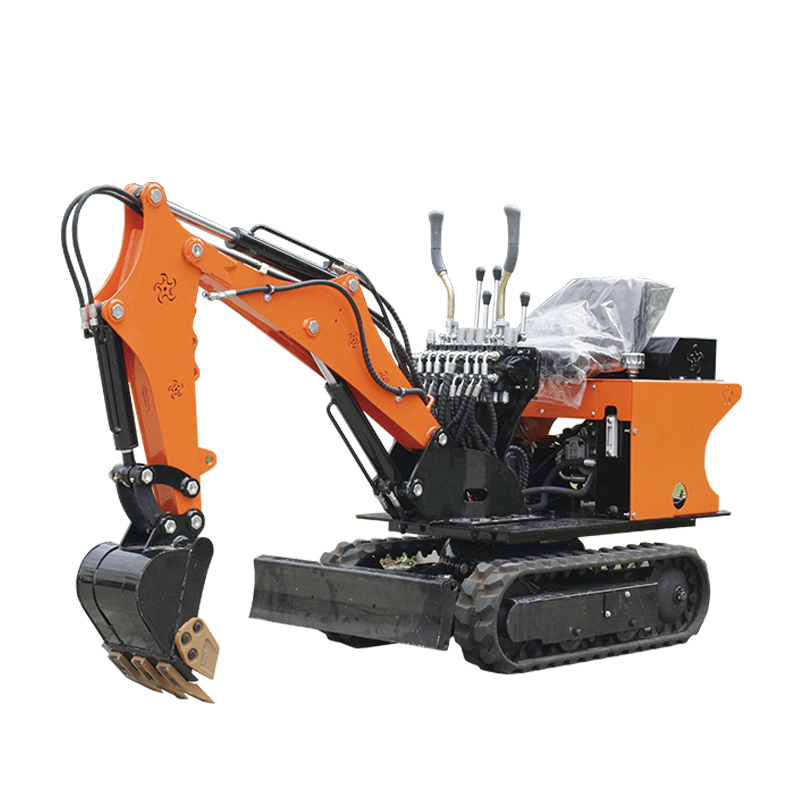
Crawler excavator
No steering wheel; controlled by left/right travel pedals or levers.
Low speed, not suitable for long-distance road travel.
Can rotate 360° in place.
Must be transported by flatbed truck between sites.
II. Differences in Pre-operation Preparation
Wheeled excavator
Outriggers must be extended before normal digging.
Need to level the machine and lock the brake.
Only light-load, small-range operations allowed without outriggers.
Crawler excavator
Stable once on the ground, no outriggers needed.
Can operate at full load directly on solid ground.
III. Differences During Operation
Wheeled excavator
High center of gravity; movements must be smoother, no violent swinging or sudden stops.
Avoid excessive unilateral force to prevent overturning.
No damage to road surfaces during operation.
Crawler excavator
Good stability, suitable for large-angle, heavy-load operations.
Can withstand rougher operation.
May damage road surfaces during steering and operation.
IV. Differences in Parking & Safety Operation
Wheeled excavator
Parking requires engaging handbrake, shifting to neutral, and retracting outriggers.
Warning signs required when parking on the roadside.
Check rearview mirrors and use turn signals before traveling.
Crawler excavator
Only requires pulling up the safety lock lever when parking.
Basically no traffic rules; only site safety matters.
One-sentence summary (for exam)
Wheeled excavators have a steering wheel, brakes, handbrake, and outriggers; they operate like a car, run fast on roads, need outriggers, and require smooth movements. Crawler excavators have no steering wheel, travel by track speed difference, offer good stability, can pivot steer, and work directly without outriggers.