
 Chinese
- HOME >> NEWS >> Industry news
NEWS
Latest Product
Contact Us
Fuel Consumption and Energy-Saving Measures for Road Rollers
2025-05-29The fuel consumption of road rollers directly impacts construction costs and environmental performance. Proper fuel management can reduce operating costs and carbon emissions. Below are the main factors affecting fuel consumption and energy-saving measures for road rollers.
I. Main Factors Affecting Fuel Consumption
Engine Power and Load Matching
Large engines operating at low loads have poor fuel efficiency, while small engines under excessive loads also increase fuel consumption.
Working Mode (Vibration/Static Compaction)
Vibratory compaction is more efficient than static compaction but consumes more fuel. Proper mode selection is crucial.
Operator Habits
Frequent starts/stops, sudden acceleration, and prolonged idling increase fuel usage.
Construction Materials and Conditions
Compacting loose soil consumes more fuel than asphalt.
Slope operations require more fuel than flat-ground work.
Equipment Maintenance Status
Clogged air filters, carbon buildup in the fuel system, and improper tire pressure reduce fuel efficiency.
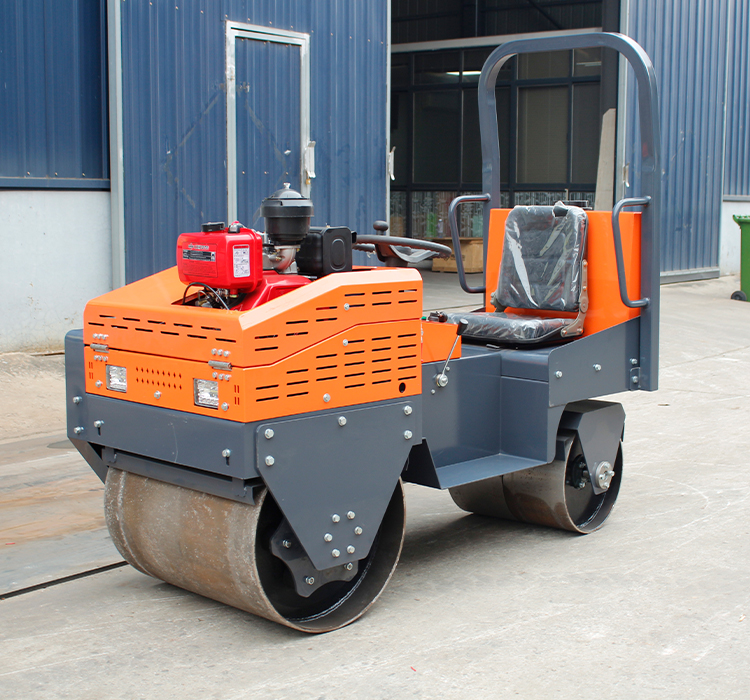
II. Energy-Saving Measures for Road Rollers
1. Choose High-Efficiency Models
Prefer electric, hybrid, or smart-controlled rollers, such as:
Variable-frequency vibratory rollers (automatically adjust vibration frequency to reduce wasted energy).
New-energy rollers (e.g., electric or LNG-powered rollers, reducing reliance on fuel).
2. Optimize Operation Methods
Reduce idling: Turn off the engine during downtime to avoid unnecessary fuel consumption.
Select vibration modes wisely:
Use low frequency & high amplitude for initial compaction (greater depth).
Use high frequency & low amplitude for final compaction (better surface density).
Avoid over-compaction: Stop once the target density is reached to prevent unnecessary passes.
3. Improve Construction Management
Optimize compaction techniques: Use sectional compaction to minimize redundant rolling.
Plan efficient routes: Reduce empty travel by using "S" or zigzag patterns for better coverage.
Control material moisture (for soil compaction): Too much or too little moisture increases compaction difficulty; optimal moisture reduces fuel use.
4. Regular Maintenance
Engine care: Replace engine oil, air filters, and fuel filters regularly for efficient combustion.
Hydraulic system checks: Prevent oil contamination/leaks to minimize energy loss.
Tire/steel wheel maintenance: Maintain proper tire pressure and clean steel wheels (to avoid asphalt sticking and added resistance).
5. Adopt Smart Technologies
GPS/intelligent compaction systems: Monitor compaction in real-time to avoid under/over-compaction.
Auto start-stop technology: Shuts off the engine during idling to save fuel.
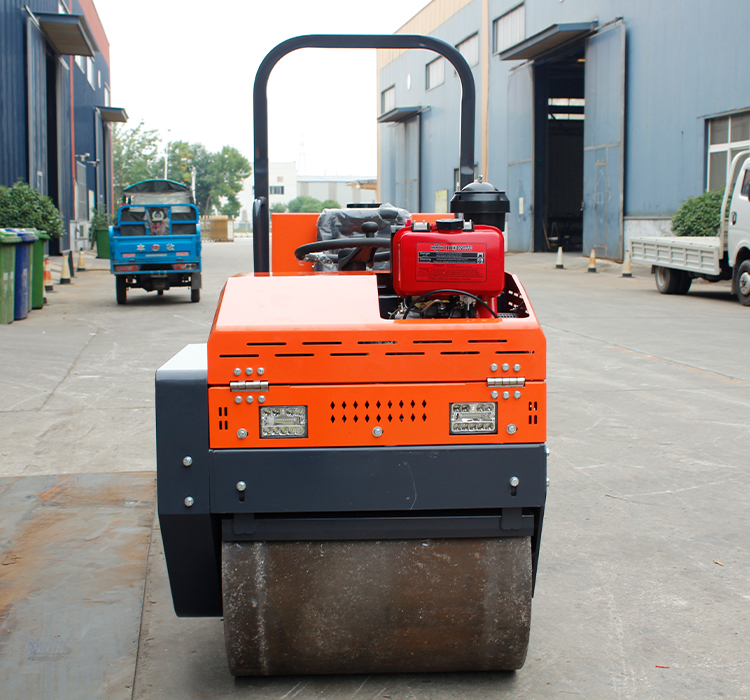
III. Fuel Consumption Comparison of Different Rollers (Reference)
| Roller Type | Avg. Fuel Consumption (L/h) | Best Use Case |
|---|---|---|
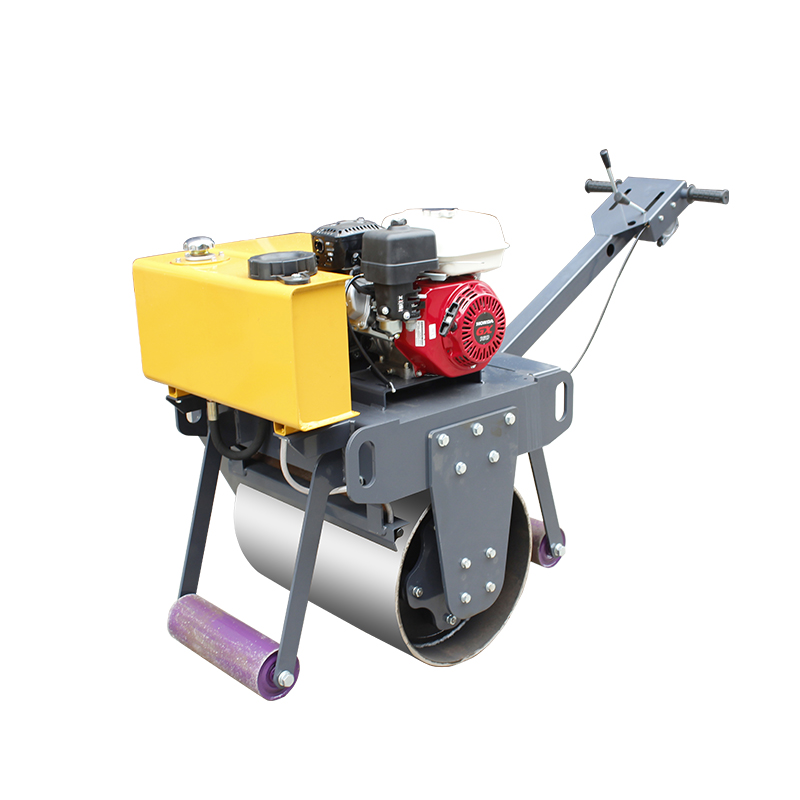
| Small walk-behind roller | 2–4 | Sidewalks, small-area compaction |
| Single-drum vibratory roller (10–12 tons) | 8–12 | Subgrade, gravel compaction |
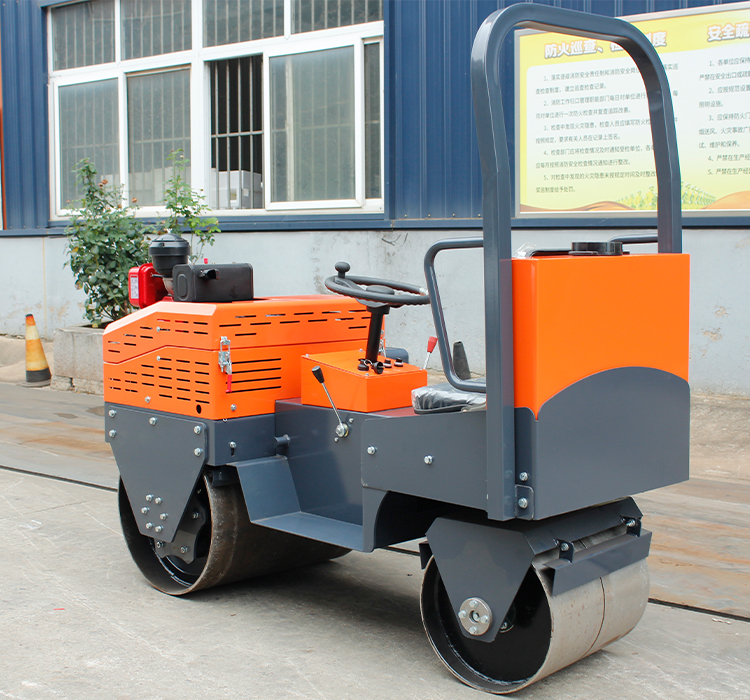
| Double-drum roller (8–10 tons) | 6–10 | Asphalt pavement compaction |
| Pneumatic-tire roller (16–20 tons) | 10–15 | Final asphalt compaction, flexible surfaces |
| Electric roller | 0 (electricity only) | Eco-sensitive construction sites |
IV. Summary
Key strategies to reduce fuel consumption:
✅ Select efficient models (e.g., variable-frequency, new-energy rollers).
✅ Optimize operation (reduce idling, use vibration modes wisely).
✅ Improve construction planning (efficient routes, avoid over-compaction).
✅ Regular maintenance (ensure engine and hydraulic systems run efficiently).
✅ Adopt smart tech (GPS compaction monitoring, auto start-stop).
With these measures, fuel consumption can be reduced by 10%–30%, lowering costs and supporting green construction practices.