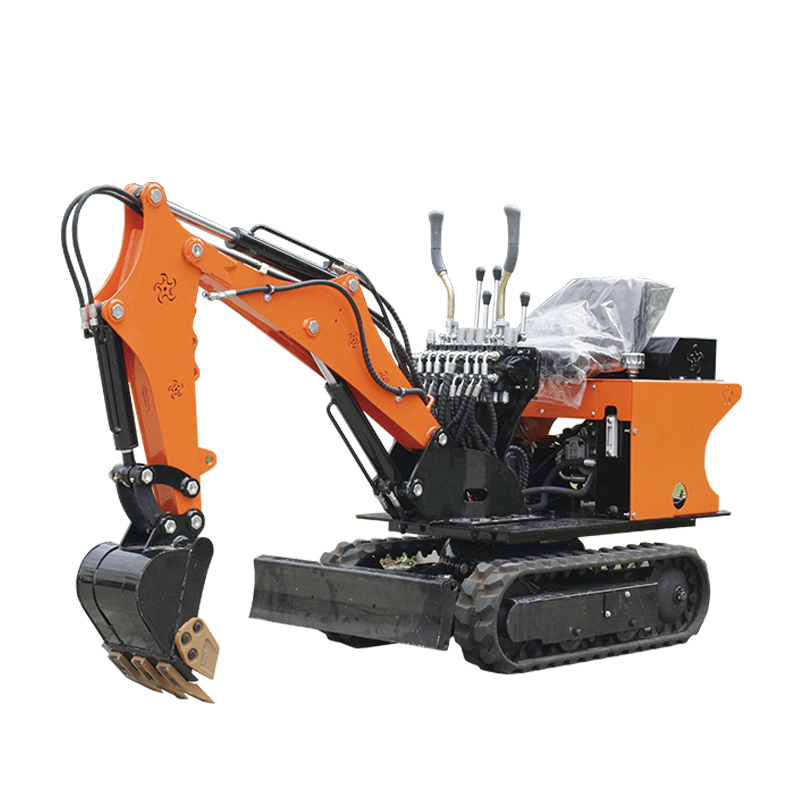
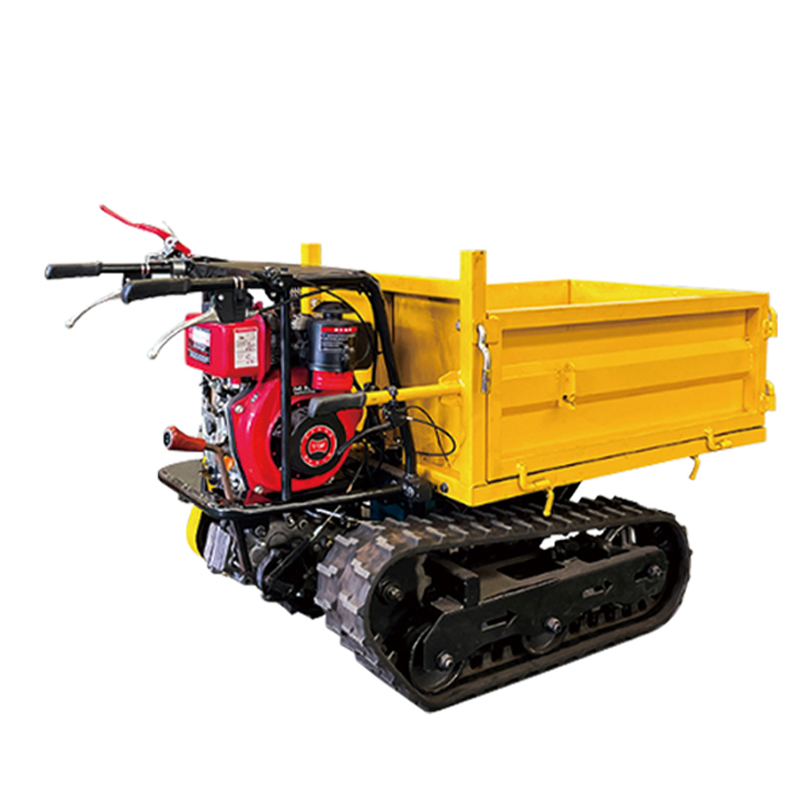
When an excavator operates on soft ground (such as sludge, swamps, soft clay, etc.), the core priorities are to prevent the machine from sinking and ensure operational stability. The specific precautions are as follows:
Survey the geological conditions of the work area in advance, clarify the thickness and bearing capacity of the soft soil layer, and avoid blind operation in uncharted deep sludge areas.
Clear away debris and stones on the work surface to prevent the tracks from being punctured by sharp objects. Meanwhile, lay steel plates, wooden boards, gravel, etc., to increase the ground contact area, reduce the ground contact pressure, and avoid machine sinking.
Inspect the equipment condition, focusing on verifying track tension, the sealing performance of travel motors, and ensuring the hydraulic system is free of oil leaks, so as to prevent machine immobilization due to malfunctions during operation.
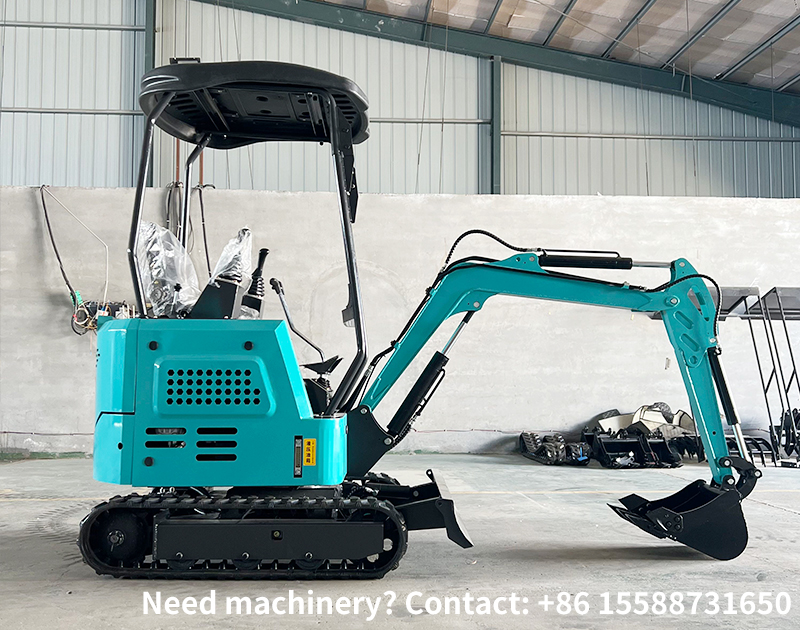
Prioritize the use of small-sized excavators. Compared with large equipment, they have lower ground contact pressure and stronger adaptability to soft ground surfaces.
Control the traveling speed, move slowly in low gear, and avoid sudden acceleration or sharp turns to prevent the tracks from disturbing and loosening the soil, which would exacerbate the risk of sinking. When turning, try to adopt spot turns or small-angle turns to reduce the shear force between the tracks and the ground.
Keep the machine body level during operation. Operate the boom and arm smoothly, avoiding sudden lifting or dropping of the bucket to prevent the machine from tilting or sinking due to center-of-gravity shift caused by inertia.
Follow the principle of layered excavation for digging work. It is strictly prohibited to dig deeply in a single pass. The digging depth per operation should not exceed two-thirds of the bucket capacity. In addition, keep the bucket as close to the machine body as possible to shorten the boom extension length and lower the center of gravity.
Avoid staying and operating in the same position for a long time. Move the machine body slightly at regular intervals to prevent the soil under the tracks from being compacted and liquefied, thus losing its supporting capacity.
It is strictly forbidden to perform lifting operations on soft ground. If lifting is necessary, lay additional load-bearing materials and strictly control the lifting weight to prevent sinking caused by overloading.
If track sinking is detected, stop all operations immediately. Do not attempt to drive out forcibly, as this will only make the machine sink deeper. Try to lower the bucket flat onto the ground, use the boom to lift the machine body, adjust the track position slowly, or lay steel plates before driving out.
When operating on waterlogged soft ground, ensure the water depth does not exceed the center height of the tracks to prevent water from entering the travel motors and hydraulic components. After operation, clean the sludge on the tracks in a timely manner to avoid track rusting or increased wear.
Avoid operating after rain or when the soil moisture content is too high. At such times, the bearing capacity of soft ground drops significantly, and the risk of sinking is extremely high.
After completing the work, drive the excavator away from the soft ground and park it on a firm and flat area. When parking, retract the bucket to support it on the ground and shut down the engine.
Thoroughly clean the sludge on the tracks and chassis. Inspect whether the track shoes, carrier rollers, and idlers are damaged, and perform timely maintenance to prevent component service life from being affected by sludge corrosion.


 Chinese