

 Chinese
- HOME >> NEWS >> Company news
NEWS
Latest Product
Contact Us
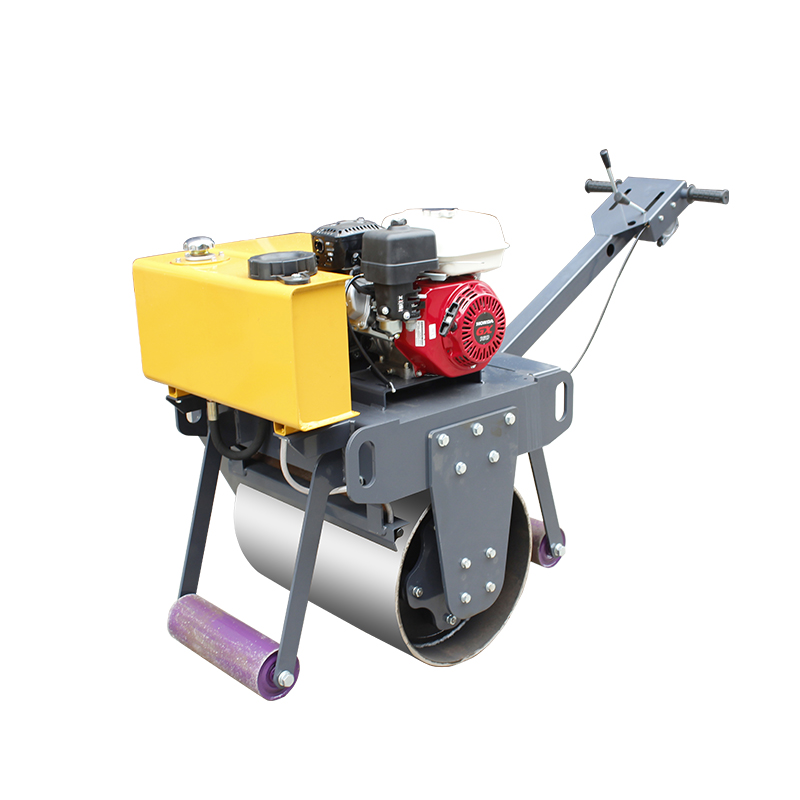
What materials are steel wheel rollers suitable for?
2025-11-06The core advantages of steel wheel rollers are high compaction degree and good surface flatness. They are mainly suitable for materials that require high-strength compaction and smooth surfaces, and are widely used especially in projects such as roads and airports.
Specific types: Hot Mix Asphalt (HMA), modified asphalt, emulsified asphalt, etc.
Applicable scenarios: Compaction of asphalt surface layers (upper layer, middle layer) of expressways, municipal roads, and airport runways to ensure that the pavement is free of gaps and has strong impermeability.
Specific types: Cement-stabilized macadam, cement-stabilized soil, lime-fly ash stabilized soil (two-ash stabilized soil), etc.
Applicable scenarios: Compaction of the base or subbase of highways and municipal roads to provide stable support for the upper asphalt or cement pavement.
Specific types: Roller-Compacted Concrete (RCC), lean concrete, etc.
Applicable scenarios: Roller-compacted concrete pouring of dams and large sites, or compaction of rigid materials for some road bases. The density and strength of concrete are improved through rolling.
Specific types: Graded crushed stone, graded gravel, rock-filled subgrade (in some scenarios).
Applicable scenarios: Compaction of subgrade bottom layers and cushion layers, or compaction of crushed stone bases for temporary roads and parking lots, ensuring tight interlocking between particles and reducing settlement.