

 Chinese
- HOME >> NEWS >> Industry news
NEWS
Latest Product
Contact Us
Why Are the Steel Wheels of Rollers Usually Hollow in Design?
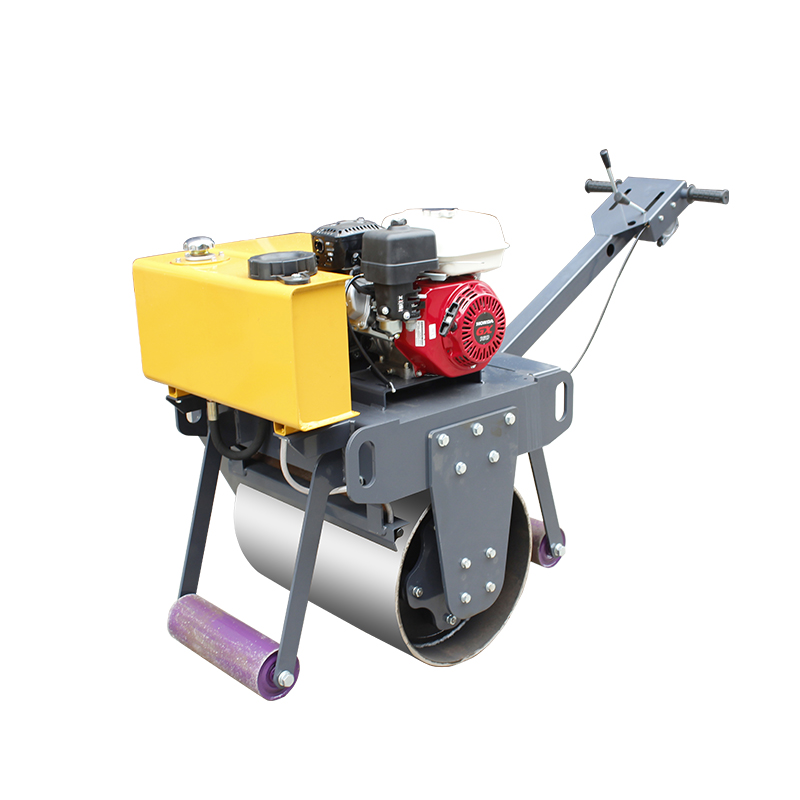
2025-06-05The hollow design of roller steel wheels (either empty or fillable with water/sand) is primarily based on functional optimization, operational adaptability, and cost-effectiveness. Below is a detailed analysis of the reasons:
1. Core Reason: Adjustable Weight
Adding Water/Sand for Increased Weight:
Hollow steel wheels can be filled with water or sand to flexibly increase the roller's working weight (typically by 20%-40%), enhancing compaction depth and effectiveness.
Example: A 10-ton roller can reach 12-14 tons when filled, adapting to different project needs (e.g., heavier weight for subgrade work, lighter weight for asphalt layers).
Weight Reduction for Transport:
Emptying the wheel reduces weight for easier transportation or relocation, minimizing damage to sensitive surfaces (e.g., bridges, temporary roads).
2. Functional Optimization
Vibration System Compatibility:
In vibratory rollers, the hollow wheel houses the eccentric block (vibration mechanism), providing installation space without compromising structural strength.
Integrated Water Spray System:
Hollow wheels can incorporate internal water channels to prevent asphalt from sticking to the drum (water is evenly sprayed through side nozzles during rotation).
3. Structural Advantages
Material Efficiency & Strength Balance:
The hollow design reduces steel usage while maintaining rigidity, lowering manufacturing costs.
Reinforced rims and support structures ensure load-bearing capacity is unaffected.
Thermal Deformation Control:
During asphalt compaction, high surface temperatures can cause expansion. The hollow structure mitigates thermal stress, extending the wheel’s lifespan.
4. Operational Adaptability
Terrain Flexibility:
Some rollers allow filling hollow wheels with materials like sand or iron pellets to adjust weight distribution for slopes or soft soil compaction.
Multifunctional Expansion:
Special scenarios may require filling with antifreeze (cold climates) or attaching additional components (e.g., padfoot shells).
Exceptions: Non-Hollow Steel Wheels
A few rollers use solid steel wheels, typically for:
Small or lightweight rollers (no need for weight adjustment).
Specialized alloy wheels (relying on material density for weight).
Conclusion
The hollow steel wheel’s key advantages—adjustable weight, integrated functions, and cost efficiency—make it ideal for rollers requiring adaptability, performance, and economy. This design has become standard in modern rollers, especially vibratory models and large-scale earthwork projects.