

 Chinese
- HOME >> NEWS >> Industry news
NEWS
Latest Product
Contact Us
How to Choose Skid-Steer Loader Tire Types (Solid vs. Pneumatic)?
2025-06-19Tire selection for skid-steer loaders directly impacts operational efficiency, terrain adaptability, and long-term costs. The two main types are pneumatic tires (air-filled) and solid tires, each with distinct advantages. Below is a detailed comparison and selection guide:
1. Pneumatic Tires
Features:
Air- or foam-filled with elastic cushioning.
Varied tread patterns for different ground conditions.
Advantages:
✅ Superior Shock Absorption: Cushions vibrations for operator comfort.
✅ Enhanced Traction: Deep treads excel in mud, snow, or loose terrain.
✅ Ground-Friendly: Distributes weight evenly, minimizing damage to paved surfaces.
✅ Lower Initial Cost: Cheaper to purchase than solid tires.
Disadvantages:
❌ Puncture Risk: Vulnerable to nails, rocks, or sharp debris.
❌ High Maintenance: Requires regular pressure checks; prone to air leaks.
❌ Shorter Lifespan: Wears faster in harsh conditions.
Ideal For:
Outdoor soft terrain (dirt, sand, snow).
Long-duration tasks requiring comfort (farms, landscaping).
Sensitive surfaces (roads, warehouse floors).
2. Solid Tires
Features:
Made of solid rubber/polyurethane, no air cavity.
Minimal or no tread patterns.
Advantages:
✅ Puncture-Proof: Resists nails, glass, and debris.
✅ Zero Maintenance: No air pressure checks or blowouts.
✅ Longevity: Highly durable for continuous heavy use.
✅ High Load Capacity: Ideal for heavy materials (stone, scrap metal).
Disadvantages:
❌ Poor Shock Absorption: Rigid structure increases operator fatigue.
❌ Reduced Traction: Slippery on wet/smooth surfaces.
❌ Ground Damage Risk: Higher ground pressure may harm grass/wood floors.
❌ Higher Cost: 2–3× more expensive than pneumatic tires.
Ideal For:
Construction sites (exposed rebar, sharp rocks).
Scrap yards, waste facilities.
Indoor hard surfaces (warehouses, factories).
Heavy-duty cycles (mining, ports).
3. Other Specialty Tire Options
| Type | Features | Best For |
|---|---|---|
| Foam-Filled | Puncture-resistant with some cushioning | Balance of durability and comfort |
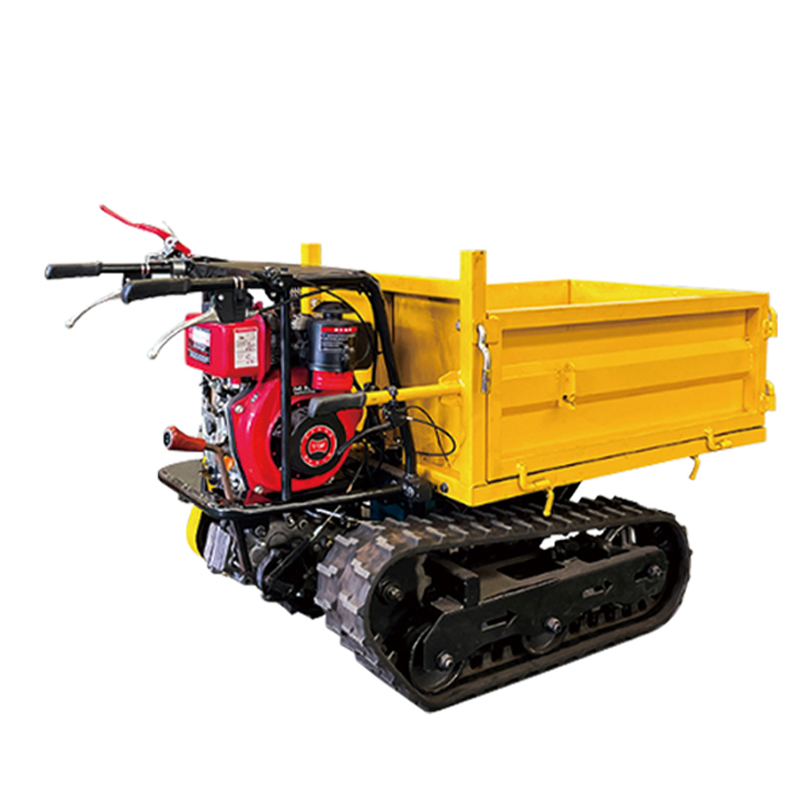
| Track Systems | Rubber tracks for low ground pressure | Swamps, steep slopes, deep snow |
| Tire Chains | Metal chains added to pneumatic tires | Ice/extreme mud |
4. Decision-Making Guide
(1) By Work Environment
Construction/debris zones → Solid tires (puncture-proof).
Farms/soft soil → Deep-tread pneumatic tires (traction).
Roads/warehouses → Smooth pneumatic tires (surface protection).
Snow/ice → Pneumatic + chains or tracks.
(2) By Budget
Low budget + intermittent use → Pneumatic (lower upfront cost, more maintenance).
High-intensity use → Solid tires (long-term savings).
(3) By Operator Comfort
Long shifts → Pneumatic/foam-filled (vibration damping).
Short heavy-load tasks → Solid tires (stability).
5. Maintenance Tips
Pneumatic Tires:
Maintain correct pressure (over/underinflation causes wear).
Avoid sharp turns or overloads to prevent sidewall damage.
Solid Tires:
Remove embedded debris to avoid uneven wear.
Limit exposure to hot surfaces (accelerates rubber aging).
Summary: Quick Selection Rule
"Choose solid for durability, pneumatic for comfort; opt for tracks in extreme terrain, and add chains for ice/mud."
The right tire choice boosts productivity, extends equipment life, and reduces costs—always match tires to your primary work conditions!