

 Chinese
- HOME >> NEWS >> Industry news
NEWS
Latest Product
Contact Us
What Are the Main Types of Excavators and Their Applications in Different Engineering Scenarios?
2025-05-15Excavators are core equipment in construction, with different types suited for earthwork, rock excavation, municipal projects, and more. Below is a classification of common excavators and their typical applications.
1. Classification by Travel Mode
① Crawler Excavator
Features: Track-mounted chassis, low ground pressure, high stability, ideal for rough terrain.
Applications:
Mining and earthmoving (e.g., foundation pits, river dredging).
Muddy or soft ground (e.g., swamps, wetlands).
Large-scale infrastructure (highways, railways).
② Wheeled Excavator
Features: Tire-based mobility, faster relocation but lower stability.
Applications:
Municipal projects (e.g., pipeline laying, landscaping).
Urban tasks requiring frequent short-distance moves (no trailer needed).
Hard-surface work (avoids track damage to pavements).
2. Classification by Weight (Operating Weight)
| Type | Weight Range | Applications |
|---|---|---|
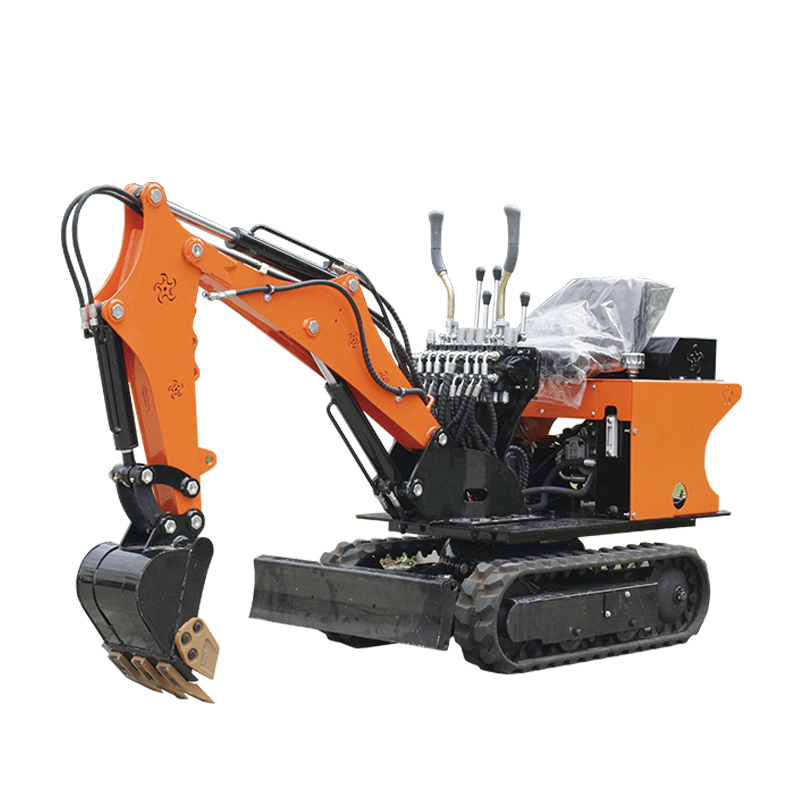
| Mini Excavator | 0.8–6 tons | Indoor demolition, landscaping, confined spaces (e.g., basements). |
| Small Excavator | 6–20 tons | Municipal works, farmland irrigation, rural construction. |
| Medium Excavator | 20–30 tons | Real estate foundations, road construction, general earthmoving. |
| Large Excavator | 30–100 tons | Mining, land reclamation, deep excavation. |
| Ultra-Large Excavator | 100+ tons | Open-pit coal mining, mega projects (e.g., Three Gorges Dam). |
3. Classification by Function & Structure
① Backhoe Excavator
Features: Bucket digs toward the machine, ideal for below-ground work.
Applications: Most common type; used for trenching and excavation.
② Front Shovel Excavator
Features: Bucket digs forward/upward, suited for loose material loading.
Applications: Mining (e.g., coal/ore loading), loose soil handling.
③ Long-Reach Excavator
Features: Extended boom (up to 20+ meters) for greater reach.
Applications: River dredging, deep foundations, demolition (safe distance from hazards).
④ Grab Excavator
Features: Hydraulic grab for material handling.
Applications: Waste management, scrap metal, sand/gravel loading.
⑤ Demolition Excavator
Features: Reinforced structure with hydraulic breakers/shears.
Applications: Building demolition, concrete crushing.
⑥ Amphibious Excavator
Features: Floating tracks for water operations.
Applications: Swamp dredging, wetland restoration, river maintenance.
4. Special-Purpose Excavators
Electric Excavators: Zero emissions; ideal for tunnels/indoor spaces.
Autonomous Excavators: Remote/AI-controlled; used in hazardous zones (e.g., disaster sites).
Auger Excavators: Equipped with drill bits for piling or tree planting.
5. Selection Guidelines
Soil Type: Wide tracks for soft soil; reinforced buckets for rock.
Workspace: Mini excavators for tight spots; large models for open areas.
Efficiency Needs: Front shovels for loading; backhoes/long-reach for depth.
Eco-Requirements: Electric/low-noise models for urban sites.
Conclusion: Excavators vary widely—selecting the right type based on project needs, terrain, and budget ensures maximum efficiency!