
 Chinese
- HOME >> NEWS >> Company news
NEWS
Latest Product
Contact Us
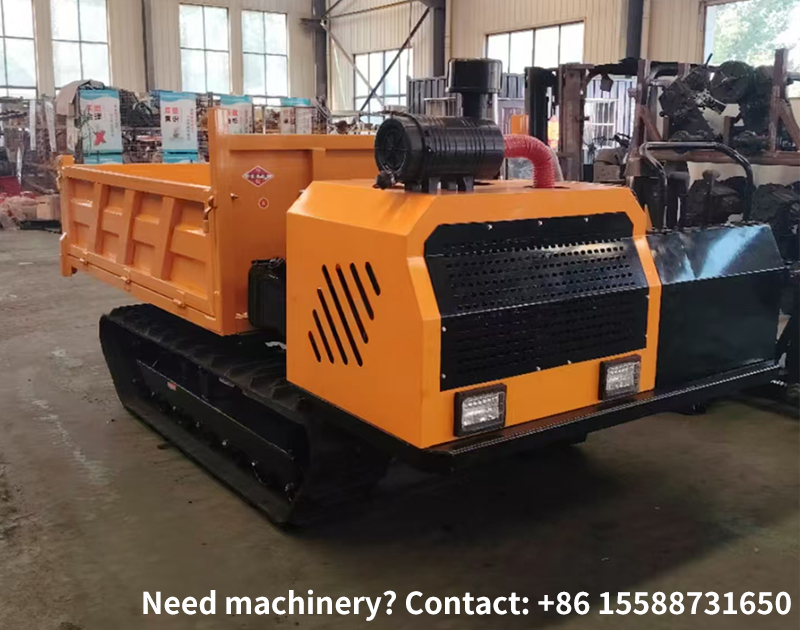
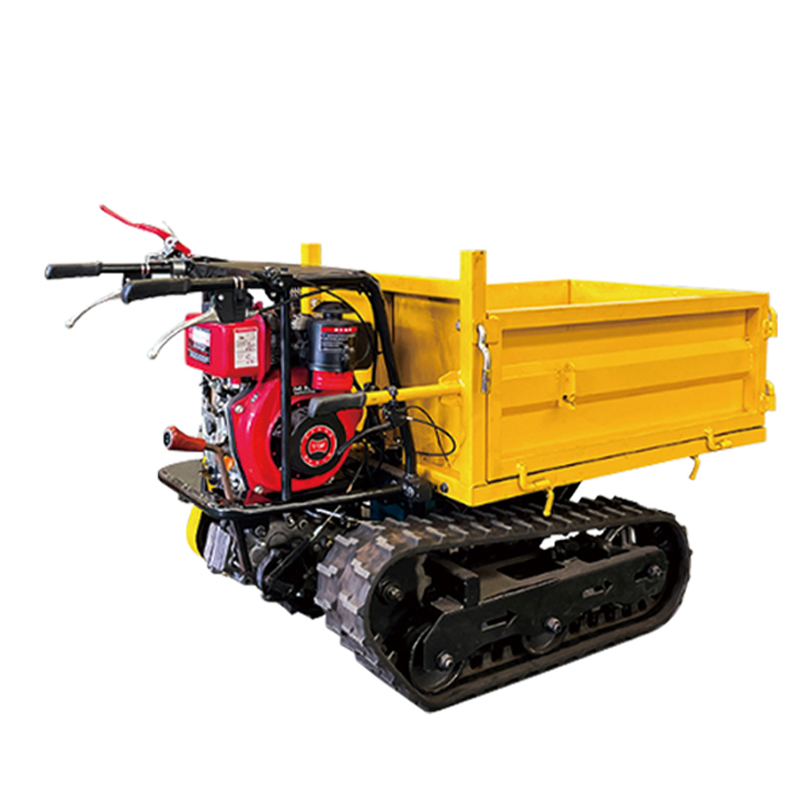
Adaptable Operations and Precautions for Tracked Carriers in Forestry
2026-02-05I. Adaptable Operation Scenarios in Forestry
Logging & Skidding: Short-distance haulage of logs and branch wood on forest trails and slope logging sites. Adaptable to soft humus soil and steep terrain in logging areas, replacing cable skidding and manual handling. Low ground contact pressure reduces forest soil compaction.
Afforestation & Silviculture: Transporting seedlings, nutrient soil, fertilizers, and planting tools to mountain afforestation sites to support land preparation and planting operations; transporting pruning waste and debris cleared from firebreaks during forest tending.
Commercial Forest Management: Harvest and transportation in commercial forests such as oil-tea camellia, walnut, and bamboo forests; delivery of management chemicals and irrigation equipment. Narrow-body models can navigate narrow rows within forests.
Forest Infrastructure & Fire Prevention: Transporting sand, gravel, guardrails, and fire-fighting equipment for firebreak construction; auxiliary transportation of infrastructure materials for forest access roads and watchtowers; rapid delivery of fire-fighting gear and fire-prevention sandbags during emergency fire outbreaks.
Under-Forest Resource Harvesting: Transporting under-forest economic products such as mushrooms, medicinal herbs, and bamboo shoots, adaptable to uneven, overgrown unsurfaced forest roads.
II. Core Precautions for Forestry Operations
1. Terrain & Driving Safety
Drive straight up and down forest slopes. Diagonal climbing and sharp turns on slopes are strictly prohibited. Control the gradient for heavy-duty climbing at ≤30° to prevent rollovers and rear-end diving.
Avoid steep rocky areas and swampy humus soft foundations. Clear road obstacles such as fallen trees and rocks in advance to prevent track jamming and derailment.
Prioritize open forest areas for oncoming traffic and U-turns on narrow forest sections. Sharp pivot turns with heavy loads are prohibited to avoid damaging forest land and tracks.
2. Loading & Securing Specifications
Logs and branch wood must be bound and secured to prevent rolling and offset loading that causes center-of-gravity shift during travel. Loading height shall not exceed the cab, and length shall not extend excessively beyond the vehicle body.
Strictly adhere to the rated load capacity. Frequent slopes and high resistance in forest areas will drastically reduce braking and climbing stability if overloaded.
3. Forest Ecological Protection
Prioritize existing forest roads and access roads to minimize random compaction of vegetation and humus layers, protecting under-forest root systems and soil structure.
Avoid refueling and maintenance near water sources and seedling areas to prevent oil pollution of forest soil and water bodies.
Schedule harvesting operations to avoid sensitive periods of seedling cultivation and wildlife reproduction to reduce ecological disturbance.
4. Equipment Maintenance & Protection
Promptly clear branches, sediment, and pine needles from tracks and running gear after operations to prevent entanglement and wear on track rollers and carrier rollers.
Regularly inspect electrical circuits and hydraulic pipelines in the insect-prone, humid forest environment, and implement rust prevention and rodent bite protection measures.
Replace wear-resistant and anti-slip track pads on rocky sections to prevent cuts from sharp stones; check track tension and braking systems before long-distance travel on forest roads.
5. Operational Compliance Requirements
Comply with forest fire ban regulations. Open-flame maintenance and idling smoking are prohibited. Equip exhaust pipes with spark arresters to prevent forest fires.
Conduct operations in accordance with approved forestry logging and skidding permits. Do not cross into ecological public welfare forests or core zones of nature reserves.
Equip walkie-talkies and emergency rescue tools for forest operations. Collaborative work by two personnel is recommended in complex forest areas to avoid single-machine operation with lost contact.