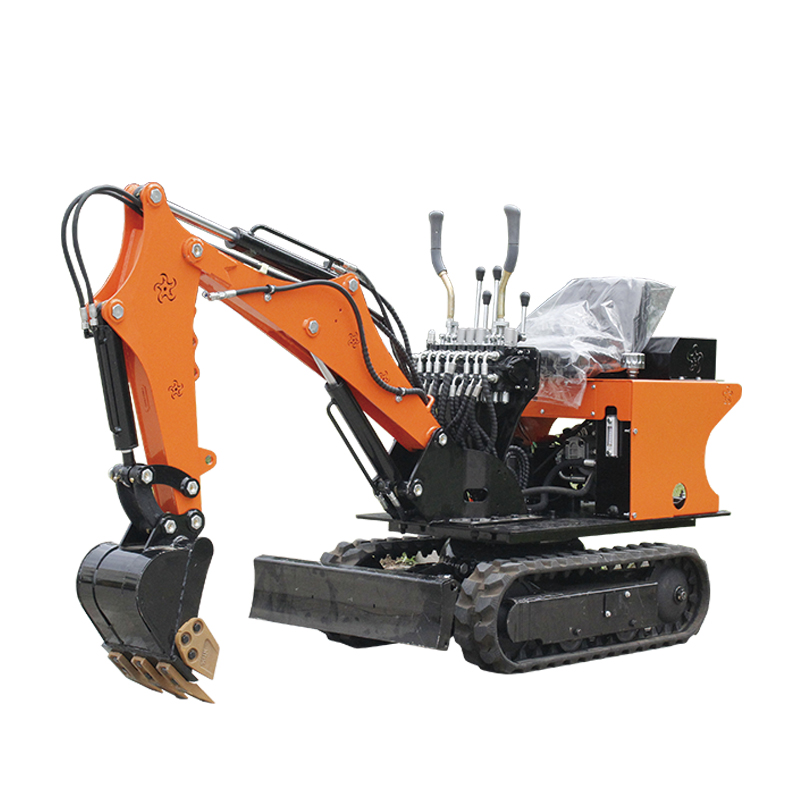
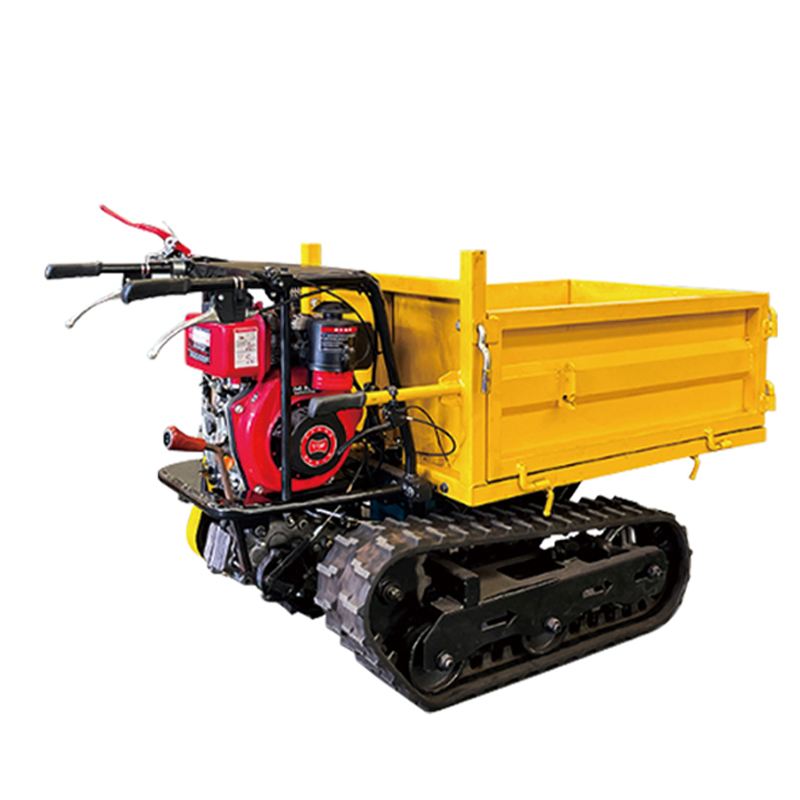
When excavators operate in plateau areas, due to special environmental factors such as high altitude, low air pressure, and large temperature differences, they face many challenges involving equipment performance, operating efficiency, maintenance, and other aspects. The details are as follows:
Reduced combustion efficiency due to oxygen deficiency: For every 1000 meters increase in altitude in plateau areas, the atmospheric pressure decreases by about 10%, and the oxygen content reduces by approximately 8%-10%. Insufficient oxygen intake by the engine leads to incomplete fuel combustion, which is manifested as:
A significant drop in power (at an altitude of 3000 meters, the power may decrease by 20%-30%), resulting in "weakness" during heavy-load operations such as excavation and crushing, and slower movement speeds.
Increased fuel consumption (due to wasted unburned fuel) and excessive exhaust emissions (black smoke may appear).
Reduced efficiency of the cooling system: Low air pressure in plateaus lowers the boiling point of water (e.g., at an altitude of 4000 meters, the boiling point is about 87℃). The engine coolant is prone to boiling in advance, causing poor heat dissipation and possibly leading to "boiling over", requiring frequent shutdowns for cooling.
Changes in hydraulic oil properties:
In a low-pressure environment, air dissolved in hydraulic oil is easily released to form bubbles ("cavitation"), causing the hydraulic system to experience "empty hitting", "vibration", or "increased noise", and affecting action accuracy (such as jamming in boom lifting and unstable impact force of the breaker).
The large temperature difference between day and night in plateaus (which can reach 20-30℃) causes the viscosity of hydraulic oil to change drastically with temperature: high viscosity at low temperatures increases system startup resistance; low viscosity at high temperatures may lead to leakage or accelerated wear of hydraulic components (such as pumps and valves).
Accelerated aging of seals: Large temperature differences, dry air, and low oxygen content cause seals in the hydraulic system (such as O-rings and oil seals) to age faster due to repeated thermal expansion and contraction, increasing the risk of oil leakage.
Deterioration of battery performance: Low-temperature environments (nighttime temperatures in plateaus may be below 0℃) reduce battery capacity and discharge capacity, easily causing difficulty in starting (especially in winter).
Malfunction of electronic sensors: Thin air and strong ultraviolet rays in plateaus may cause some precision electronic components (such as pressure sensors and temperature sensors) to malfunction due to insulation aging or signal interference, leading to false alarms of equipment and 卡顿 in the control system.
Accelerated aging of wire harnesses: Strong ultraviolet radiation accelerates the oxidation and cracking of wire sheaths, increasing the probability of short circuits or poor contact.
Challenges from extreme weather and terrain:
Plateau areas are windy and dusty (such as in Gobi and mining areas). Sand and dust easily enter the engine intake system, hydraulic oil tank, and other parts, causing oil contamination, filter blockage, and accelerated component wear.
Some areas have permafrost and gravel landforms, which increase the ground pressure when the equipment is moving, accelerating the wear of crawlers or tires; in case of rain or snow, slippery roads may increase the risk of rollover.
Indirect impact of personnel's altitude sickness on operations: Operators may experience fatigue, inattention, and decreased reaction speed due to oxygen deficiency, which not only reduces operating efficiency but also may cause equipment failures or safety accidents due to operational errors.
Accelerated component wear: Core components such as engines and hydraulic pumps have a wear rate 30%-50% higher than in plain areas due to factors like oxygen deficiency, cavitation, and dust. It is necessary to inspect and replace vulnerable parts (such as air filters, hydraulic oil filters, and spark plugs) more frequently.
Limited oil selection: Special oils adapted to plateau environments (such as low-freezing-point hydraulic oil and engine oil with stronger oxidation resistance) need to be used. Misuse of ordinary oils will exacerbate system damage, but the supply of parts and oils in plateau areas may be delayed, increasing maintenance costs.
Complex fault diagnosis: Equipment failures may be the result of the combined effect of environmental factors and mechanical wear (for example, insufficient power may be caused by engine problems or cavitation in the hydraulic system), making diagnosis more difficult than in plain areas.
Operating in plateau areas has extremely high requirements for excavators' abilities to "resist oxygen deficiency, withstand temperature differences, and prevent pollution". The core challenges focus on three aspects: power attenuation, unstable hydraulic systems, and accelerated aging of components. To address these issues, it is usually necessary to carry out plateau modifications on the equipment (such as adding turbocharging, replacing high-altitude filters, and optimizing the cooling system), formulate stricter maintenance plans, and strengthen personnel protection to ensure operating efficiency and equipment service life.



 英文
英文