

 Chinese
- HOME >> NEWS >> Industry news
NEWS
Latest Product
Contact Us
What is a loader? What are its main functions?
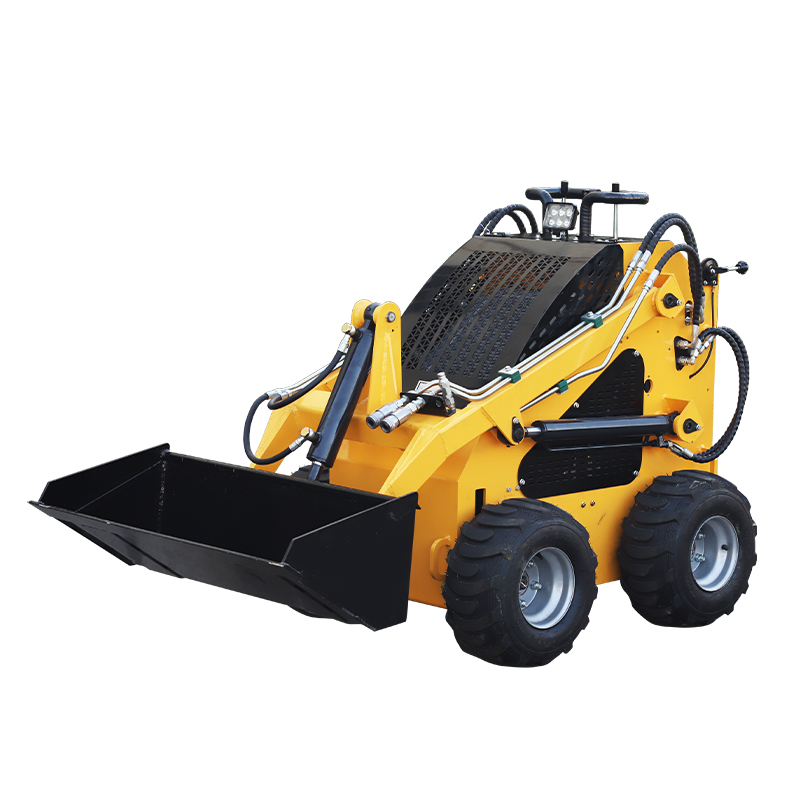
2025-07-11A loader is a type of heavy equipment widely used in construction, mining, ports, agriculture, and other fields. It is primarily designed for shoveling, transporting, and unloading loose materials (such as sand, gravel, coal, soil, etc.), and can also be used for light excavation, leveling ground, and other tasks.
Main Functions of a Loader
Shoveling Materials
Equipped with a front-mounted bucket, it scoops up loose materials (e.g., sand, soil, coal) and loads them into transport vehicles (e.g., trucks) or designated storage areas.
Short-Distance Transport
It can move materials over short distances (typically within 100 meters) at construction sites or warehouses, improving operational efficiency.
Unloading and Stockpiling
It dumps materials from the bucket into trucks, storage bins, or designated piles, making it suitable for mining, construction sites, and similar scenarios.
Ground Leveling
Using the bucket's leveling function, it can flatten land, repair roadbeds, and perform similar tasks.
Light Excavation
Some loaders can perform shallow digging, such as trenching or clearing surface soil.
Versatile Operations
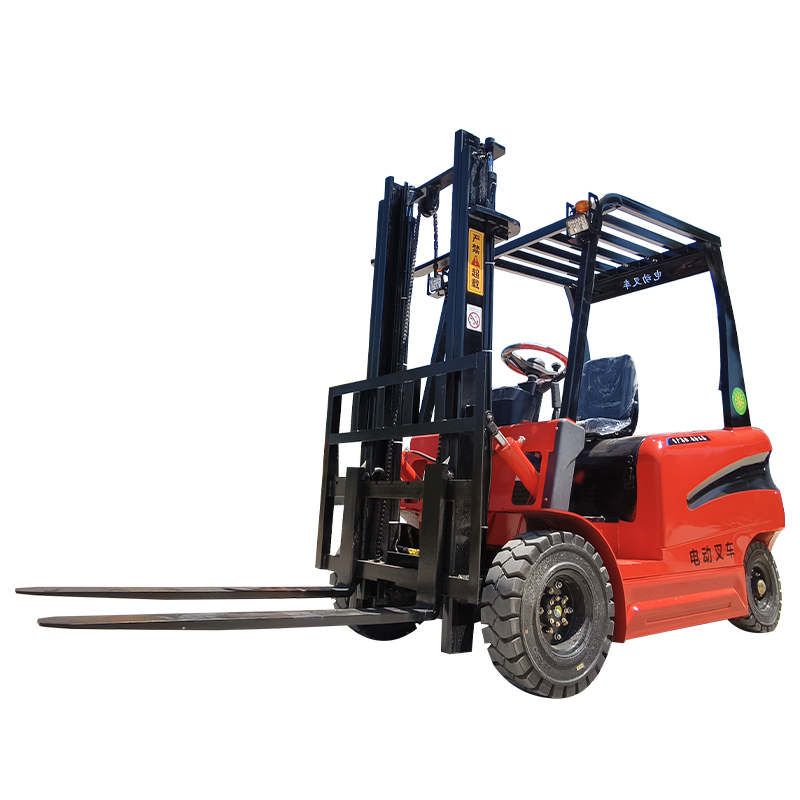
By attaching different accessories (e.g., forks, log grapples, snowplows), it can be adapted for use as a forklift, log handler, snow remover, etc., meeting diverse needs.
Key Features
High Mobility: Wheeled loaders offer flexible steering, making them suitable for frequent movement within worksites.
Efficient Operation: Large-capacity buckets and powerful engines enable high-volume material handling.
Strong Adaptability: Can operate in various environments, including mines, construction sites, and farms.
In simple terms, a loader is like a "multipurpose shovel in heavy equipment"—capable of both loading and transporting materials, making it an indispensable machine in modern construction.