

 Chinese
- HOME >> NEWS >> Industry news
NEWS
Latest Product
Contact Us
Main Classifications of Loaders (Wheeled, Tracked, Skid-Steer, etc.)
2025-07-11Loaders can be categorized based on mobility type, power source, and functional features. Below are the primary classifications and their typical applications:
1. Classification by Mobility Type
(1) Wheeled Loaders
Features:
Equipped with rubber tires for agile steering and higher travel speeds.
Applications:
Construction sites, logistics parks (paved surfaces).
Short-distance material handling (e.g., gravel, coal loading/unloading).
Pros & Cons:
✅ High mobility, ideal for frequent relocation.
❌ Prone to slipping on muddy or soft ground.
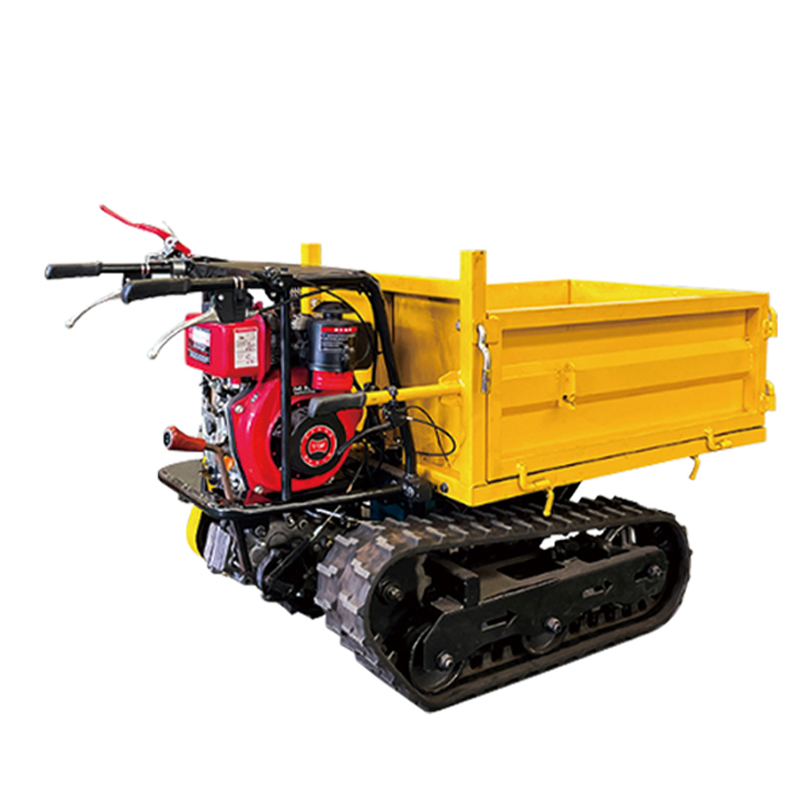
(2) Tracked Loaders
Features:
Metal tracks provide larger ground contact and superior traction.
Applications:
Mines, swamps, snowy/uneven terrains.
Soft, wet, or rugged surfaces.
Pros & Cons:
✅ Enhanced stability, less likely to get stuck.
❌ Slower speed and may damage paved roads.
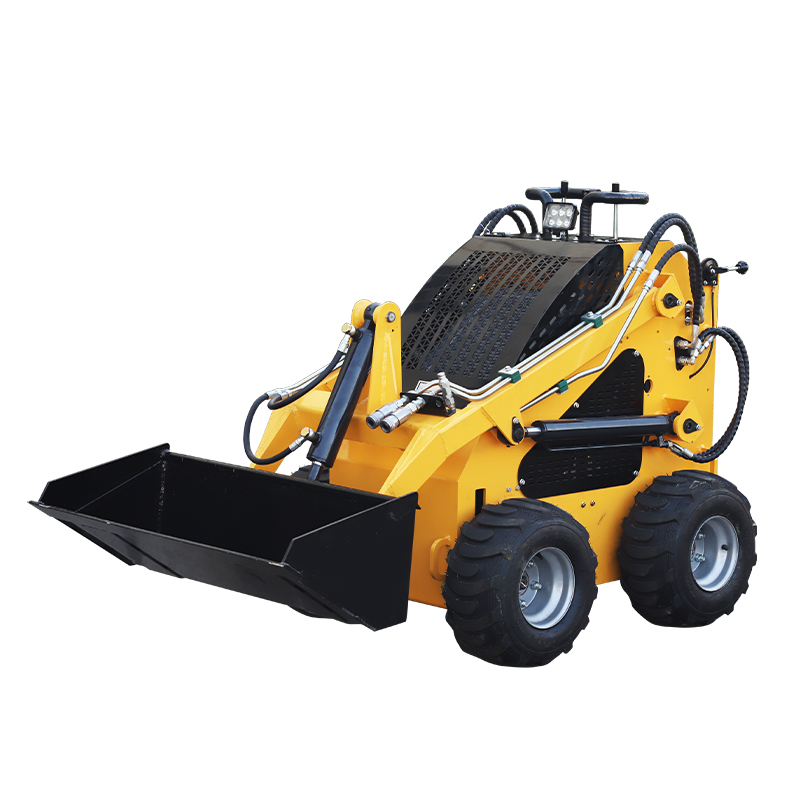
(3) Skid-Steer Loaders
Features:
Compact size, zero-turn capability, and compatibility with multiple attachments.
Applications:
Tight spaces (warehouses, greenhouses, municipal work).
Multi-purpose tasks (snow removal, digging, material handling).
Pros & Cons:
✅ Exceptional maneuverability for versatile operations.
❌ Limited load capacity (typically <2 tons).
2. Classification by Power Source
(1) Diesel Loaders
Features:
Fuel-powered, high torque, and long endurance.
Applications:
Remote mining sites, off-grid locations.
Heavy-duty, continuous operations.
(2) Electric Loaders
Features:
Battery/cable-powered, zero emissions, low noise.
Applications:
Ports, tunnels, indoor warehouses (eco-sensitive areas).
Urban projects (noise reduction).
(3) Hybrid Loaders
Features:
Combine diesel + electric power for balanced efficiency and sustainability.
Applications:
Energy-saving projects (e.g., urban infrastructure).
3. Classification by Functional Features
(1) High-Lift Loaders
Features:
Bucket lifts >3.5m for elevated dumping.
Applications:
Loading coal/grain into high-sided trucks or silos.
(2) Side-Dump Loaders
Features:
Bucket tilts sideways for confined spaces.
Applications:
Tunnels, narrow trenches.
(3) All-Terrain Loaders
Features:
Wide tires/tracks, high ground clearance.
Applications:
Swamps, snowfields, mountainous regions.
(4) Autonomous Loaders
Features:
Remote-controlled or self-operating.
Applications:
Hazardous zones (mines, nuclear plants).
24/7 operations.
4. Classification by Load Capacity
| Class | Load Capacity | Applications |
|---|---|---|
| Micro | <1 ton | Small farms, municipal maintenance |
| Small | 1–3 tons | Light construction, logistics |
| Medium | 3–8 tons | Quarries, medium earthmoving |
| Large | 8–15 tons | Large mines, port operations |
| Extra-Large | >15 tons | Mega infrastructure projects |
Selection Guide
Construction sites → Medium wheeled loaders (3–8 tons)
Mines/muddy terrain → Large tracked loaders (8+ tons)
Tight spaces → Compact skid-steer loaders (<2 tons)
Eco-sensitive areas → Electric/hybrid loaders
Rational selection maximizes efficiency and minimizes costs.