
 Chinese
- HOME >> NEWS >> Company news
NEWS
Latest Product
Contact Us
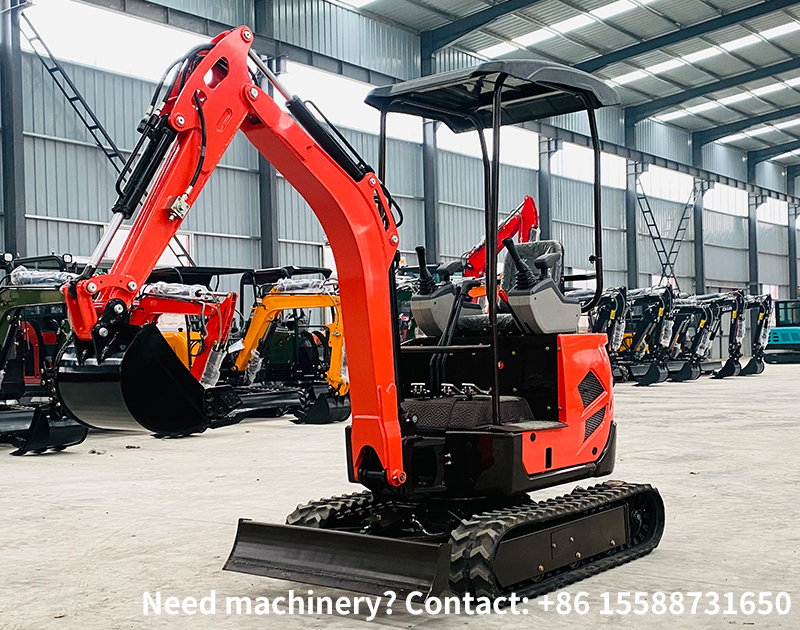
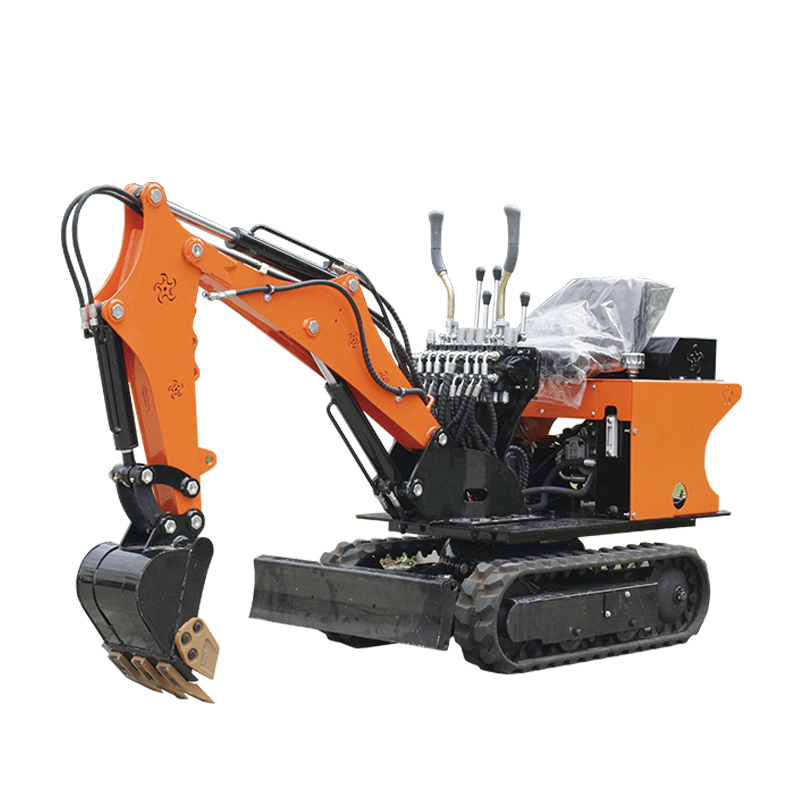
What is the core basis for choosing between a crawler excavator and a wheeled excavator in project selection?
2026-02-27Project Selection: Crawler vs Wheeled — Core Judgment Criteria
Check ground conditions (1st priority)
Soft, muddy, mountainous, or unpaved ground → choose crawlerReason: low ground pressure, no sinking, strong grip, high stability.
Hardened pavement, urban roads, residential areas, factory areas → choose wheeledReason: no road damage, easy to drive, no site destruction.
Check operation mode (2nd priority)
Fixed site, long-term work, heavy-duty earthwork, mining, infrastructure → choose crawlerReason: high traction, high efficiency, strong continuous operation.
Multi-site work, frequent transfers, short-distance movement, municipal scattered projects → choose wheeledReason: road-legal, fast speed, no trailer needed for transfer, high mobility.
Check workload (3rd priority)
Heavy-duty digging, hard soil, rock, frequent crushing → choose crawlerReason: good stability, no overturning, rugged and durable.
Light-duty work, loading/unloading, landscaping, municipal repair → choose wheeledReason: flexible, fast, sufficient capacity.
Check access and environment
Wilderness, inside construction sites, no traffic restrictions → crawler
Urban areas, highways, road driving required → wheeled
Ultimate one-sentence memory formula (memorize this only)
Ground: Soft/rough ground → crawler; hard pavement/urban areas → wheeled.
Work: Long-term heavy-duty → crawler; short-distance transfer → wheeled.
Efficiency: High pure digging efficiency → crawler; mobility & flexibility → wheeled.