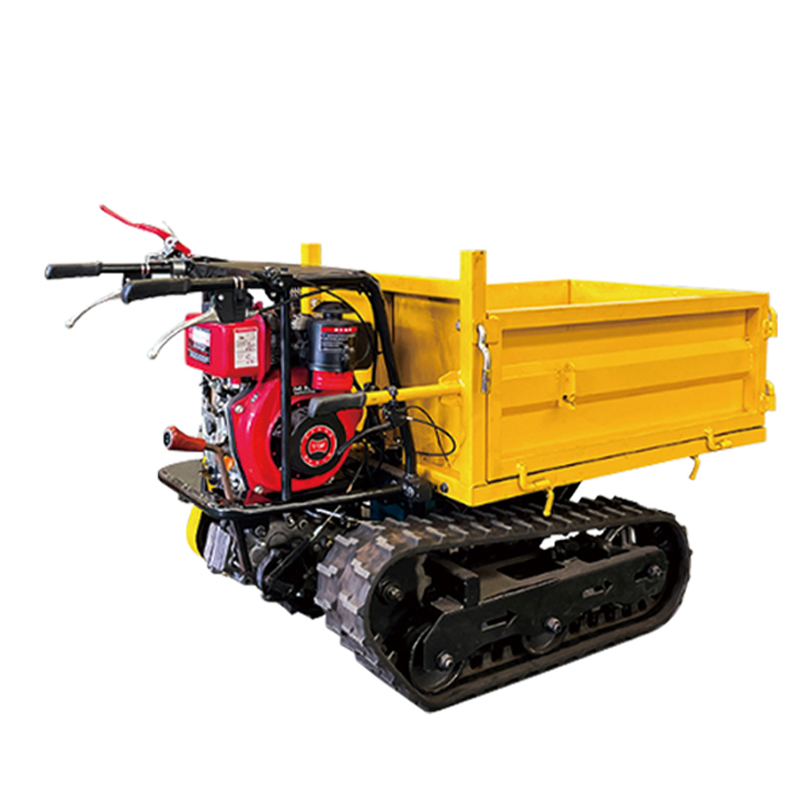
The common maximum remote control range of a remote-controlled lawn mower is generally 200 meters, with some models reaching up to 500 meters, and a few claiming approximately 680 meters. However, due to environmental obstacles and interference, the actual effective range is often significantly lower than the nominal value.
Mainstream range: 200 meters (the nominal effective range of most tracked/wheeled remote-controlled lawn mowers)
High-end / long-range: Approximately 500 meters (promotional value of some brands)
Extreme nominal range: Approximately 680 meters (parameters from a few manufacturers)
Obstacles: Trees, buildings, shrubs, fences, and other objects will weaken or block signals, with more obvious attenuation at longer distances. In indoor areas or dense woods, the range may drop to 30%-50% of the nominal value.
Electromagnetic interference: Devices operating in the 2.4GHz/5GHz frequency bands, such as Wi-Fi, Bluetooth, mobile phone base stations, and microwave ovens, will add noise, leading to packet loss, delays, or disconnections.
Weather and visibility: Rain, fog, snow, and sandstorms can scatter or absorb radio frequencies. In severe weather, the range may be reduced by 10%-30%.
Terrain undulations: Hills, gullies, and sloped land can block direct signals, requiring a "line-of-sight" condition; otherwise, multiple reflections or relays are needed.
Height difference and antenna orientation: Insufficient antenna height or improper orientation (not horizontal) will significantly reduce gain and effective range.
Battery power: Low battery levels in both the remote control and the main unit will reduce transmission power and reception sensitivity, resulting in decreased range and stability.
Maintain "line-of-sight" (unobstructed direct transmission) and raise the antenna moderately; prioritize operating in open environments.
Avoid strong interference sources and peak hours (e.g., areas with dense Wi-Fi in residential complexes or parks).
Monitor battery levels and recharge in a timely manner; use with caution in severe weather.
In complex environments, first conduct short-range tests, then gradually expand the range to prevent out-of-range loss of control.



 Chinese